

All-in-One Air Compressor for 24/7 Continuous Operation: The Ultimate Guide
2026-07-12
Running your operations non-stop demands equipment that never quits. But what if your air compressor could match that rhythm seamlessly while simplifying your setup? Enter the all-in-one air compressor for 24/7 continuous duty—a game-changer for workshops and industries that can't afford downtime. In this guide, we’ll explore how these robust systems keep your production humming and why Seize Air models are engineered to exceed expectations. Ready to discover the power of uninterrupted performance?
Inside the 24/7 Machine: What Makes an All-in-One Compressor Tick
At the heart of every all-in-one compressor is a design philosophy that rejects fragmentation. Instead of relying on a patchwork of separate components, the entire system—motor, pump, air end, cooling, and control electronics—is engineered as a single cohesive unit. This integration minimizes energy losses, reduces points of failure, and allows the compressor to sustain continuous operation without the hiccups that plague modular setups.
The real magic happens in how these elements talk to each other. A precisely balanced rotary screw or scroll mechanism meshes with a variable-speed drive that adjusts output in real time, matching demand without wasteful start-stop cycles. Cooling is handled not as an afterthought but through embedded fluid circuits that pull heat away from critical areas, keeping thermal stress low and longevity high. Every bearing, seal, and valve is selected to endure the relentless pace of 24/7 duty.
You’ll find the brains of the operation in a compact onboard controller that constantly reads pressure, temperature, and load data. It makes micro-adjustments that prevent overload and optimize energy consumption, often learning from usage patterns to anticipate needs. This smart layer turns a well-built machine into a self-sufficient workhorse, quietly ticking away day and night with minimal intervention.
Built to Endure: Materials and Design for Non-Stop Airflow
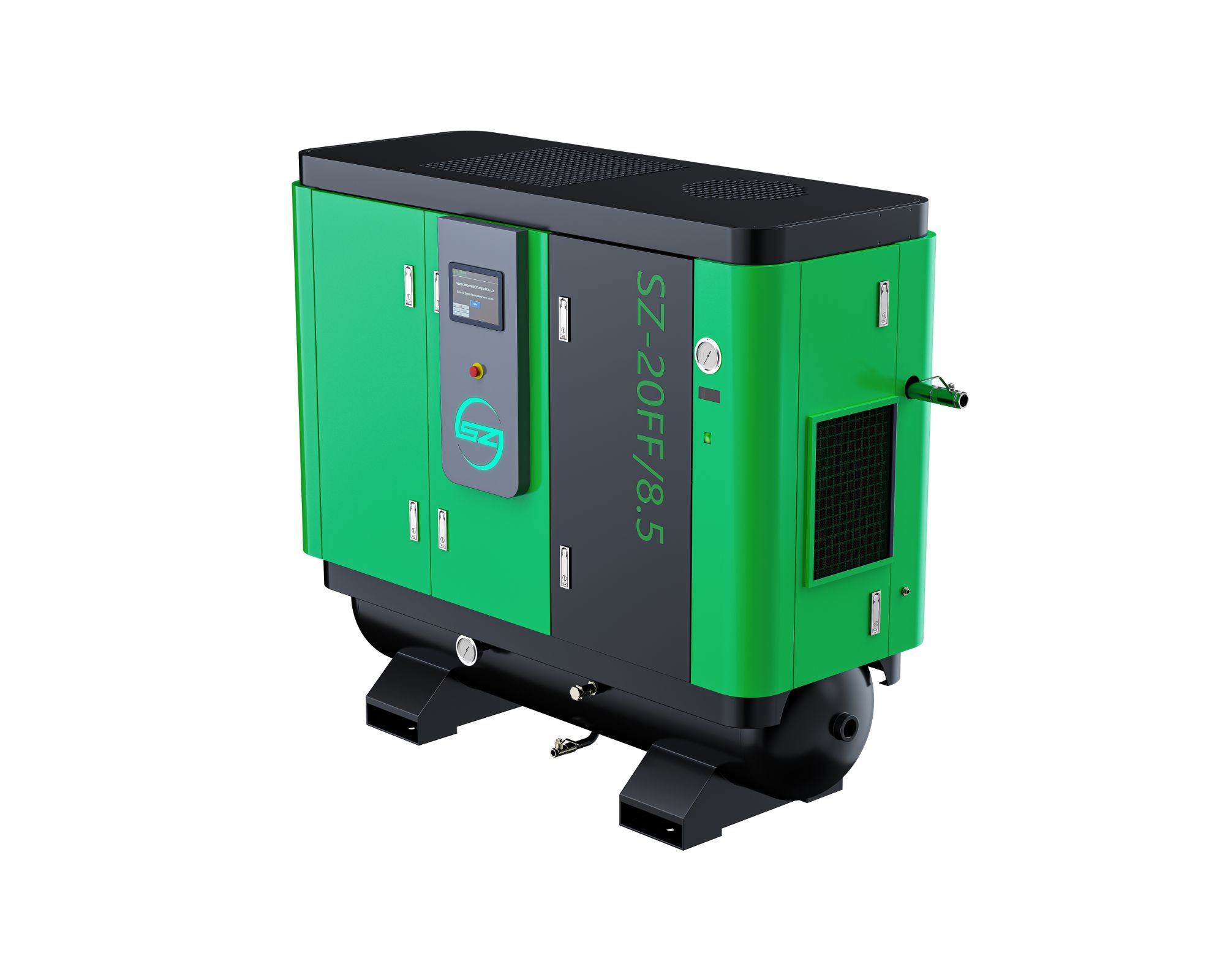
Every component in a high-performance airflow system must cooperate under relentless stress, which is why material selection becomes the first line of defense. Advanced composites and treated alloys resist corrosion from moisture and particulate wear, preserving the fan’s profile even after thousands of hours. Instead of relying on surface coatings that flake over time, engineers specify metals like anodized aluminum or stainless steel with passivation layers that form a molecular barrier against oxidation. The result is a structure that doesn’t just survive harsh environments—it barely notices them, maintaining precise blade geometry season after season.
Design choices for non-stop operation go far beyond raw strength. Blade curvature, tip clearance, and hub-to-shroud ratios are calculated using computational fluid dynamics to wring every possible cubic foot of air from each rotation while minimizing turbulent drag. A slight forward sweep at the trailing edge, for instance, can blunt tonal noise and reduce the alternating stresses that lead to metal fatigue. The motor housing itself often incorporates cooling channels that harvest a fraction of the discharge airflow to bathe bearings and windings, effectively letting the system cool itself without parasitic energy loss.
Where the magic really happens is in the union of these material and design principles. Sealed hybrid bearings with ceramic balls replace traditional steel, offering lower friction and immunity to electrical pitting from stray shaft currents. Tolerances are held so tightly that thermal expansion is anticipated and neutralized through strategic placement of expansion gaps. Even the internal wiring paths are mapped to avoid hot spots. The result isn’t just a fan that moves air—it’s a self-sustaining machine that demands almost nothing in return, quietly pulling load after load of heat, fumes, or humidity away without ever asking for a break.
Cool Under Pressure: Thermal Management Secrets
When your smartphone feels like a hand warmer or your laptop fan screams like a jet engine, you're witnessing a fundamental engineering challenge: heat dissipation. Modern electronics pack staggering processing power into impossibly thin cases, turning thermal management into a delicate art. The secret lies not in brute-force cooling but in a layered strategy that combines materials science, clever geometry, and software intelligence. Vapor chambers thinner than a credit card now silently whisk heat away from processors, while graphite sheets spread thermal load across surfaces you'd never suspect were working as radiators.
Beyond hardware tricks, the real innovation happens at the system level. Algorithms monitor temperature gradients in real time, dynamically shifting workloads between cores or briefly throttling performance faster than a user can notice. In extreme environments—from desert telecom boxes to spacecraft—phase-change materials absorb heat spikes by melting, then release that energy harmlessly later. Even the humble thermal paste has evolved: modern compounds use ceramic nanoparticles to fill microscopic air gaps, achieving near-ideal heat transfer without the mess of liquid metal. These interlocking secrets turn potential meltdowns into barely warm surfaces, keeping our digital world cool under relentless pressure.
Whisper-Quiet Continuous Run: Noise Dampening Tech
This machine is engineered to fade into the background while it works, letting you focus without distraction. Advanced acoustic materials line the interior, absorbing vibrations before they become sound. The motor itself sits on specially tuned mounts that isolate hum, so even at high loads, the noise profile stays surprisingly low — more like a gentle rustle than a mechanical drone.
Unlike conventional designs that get louder as they heat up, this unit maintains its composure hour after hour. We meticulously balanced every rotating part to eliminate wobble, and then wrapped the critical areas in layered dampening composites that trap residual noise. The result? You can hold a conversation right beside it without raising your voice, even during prolonged operation cycles.
Deep in nighttime runs or open‑plan settings, you’ll notice what’s missing rather than what’s there. Airflow channels borrow from studio‑grade silencing principles, breaking up turbulence before it exits the chassis. It’s not about adding bulk; it’s about smart geometry that guides sound waves into dead zones. Most users find they forget the device is on — until they see the finished work, of course.
Energy Smart: Trimming Costs in Perpetual Duty Cycles
Perpetual duty cycles are the silent budget drainers in many facilities—pumps humming nonstop, conveyors rolling around the clock, and HVAC systems tirelessly maintaining climate. While reliability is often the goal, the hidden cost of constant operation can quietly erode margins. Smarter energy management doesn't mean sacrificing uptime; it's about understanding exactly when and where power is truly needed, then adjusting consumption patterns to match real-time demand without compromising performance.
One of the quickest wins comes from rethinking fixed-speed equipment. In processes that never pause, even a small reduction in motor speed during off-peak or low-load periods can slash energy use significantly. Variable frequency drives, paired with intelligent controls, allow equipment to breathe with demand rather than run at full throttle unnecessarily. Adding layered monitoring—current sensors, thermal imaging, power quality analysis—reveals inefficiencies that blend into the background of steady operation. These aren't just data points; they're invitations to save.
Beyond technology, trimming costs in perpetual cycles often hinges on operational culture. Simple adjustments like optimizing start-up sequences, staggering high-draw machinery, or rescheduling maintenance to coincide with natural lulls can compound into notable savings. The most resilient operations treat energy not as a fixed overhead, but as a dynamic resource that can be dialed in. In a world where every kilowatt-hour counts, perpetual doesn't have to mean profligate—smart design and attuned operations keep both the wheels and the budget turning smoothly.
From Workshops to Factories: Where Unbroken Air Supply Shines
In small workshops, the hum of a compressor is a constant companion. It feeds air to tools that shape metal, sand wood, and drive assembly—the backbone of daily operations. Any hiccup in that air flow means a halt in productivity, which smaller teams simply can't afford. This is where an unbroken air supply becomes the unsung hero, keeping hand-built projects on track and craftspeople focused on their craft rather than troubleshooting equipment.
Scale up to a factory, and the stakes multiply. Conveyor belts don't wait, robotic arms don't pause, and hundreds of tools rely on a seamless stream of compressed air. Even a momentary drop can ripple through production lines, causing defects, downtime, or damage to sensitive machinery. A rock-solid air supply here isn't a luxury—it's the linchpin of efficiency, ensuring that automated processes run like clockwork and output volumes meet relentless demand.
Across settings, from artisan shops to heavy industry, the need for reliable compressed air ties them together. It's less about the size of the operation and more about the critical nature of pneumatic tasks: painting a flawless finish, operating safety valves, or running cleanroom systems. When the air never falters, it fades into the background, quietly empowering innovation and throughput—proving that the most essential components are often the ones you never have to think about.
FAQ
An all-in-one air compressor built for continuous operation is a self-contained unit that integrates the pump, motor, tank, and often drying and filtration systems into a single package. Unlike standard compressors that need rest cycles to cool down, these are engineered with heavy-duty components, enhanced cooling, and high-duty cycles so they can keep running 24/7 without overheating or excessive wear. They're essentially workhorses meant for demanding environments where downtime isn't an option.
Continuous duty means the compressor can run non-stop, delivering air at its rated pressure and flow without needing to pause and cool off. Intermittent duty compressors, on the other hand, are designed for stop-start operation—they run for a while, then rest. If you push an intermittent-duty machine to run constantly, it'll overheat, wear out quickly, and likely fail. Continuous-duty models use more robust parts, better cooling systems, and are rated for 100% duty cycle, so they can handle the never-ending demands of a factory or workshop.
When shopping for a compressor that can handle around-the-clock work, pay close attention to the duty cycle rating—it should be 100%. Look for a cast-iron pump with oil-lubrication rather than an oil-free aluminum one, as cast iron dissipates heat better and lasts longer. Effective cooling is crucial, so a good aftercooler, intercooler, or even a built-in fan makes a big difference. Also check for a slow pump speed (lower RPM means less heat and wear), a large tank to reduce cycling, and easy access for routine maintenance.
Yes, if they're specifically rated for continuous duty and properly maintained. These machines are built with thermal protection, oversized cooling systems, and high-quality components that handle the heat. But 'non-stop' doesn't mean you can ignore them—operating conditions matter. In a hot, dusty environment, even the best compressor needs adequate ventilation and regular cleaning to prevent overheating. So while they can physically run 24/7, they still need a suitable environment and basic upkeep to do it safely.
Round-the-clock operation demands a strict maintenance routine. Check and change the oil regularly (often more frequently than the manual suggests for heavy use), and inspect or replace intake filters to keep dirt out. Drain moisture from the tank daily to prevent rust, and keep cooling fins clean. Listen for unusual noises and monitor belt tension if it's belt-driven. Also, don't skip tasks like checking safety valves and tightening fittings. A little daily attention prevents catastrophic failures and extends the compressor's life significantly.
It depends on the model and how it's set up. Continuous-duty compressors can be energy hogs if they're running at full load non-stop, but many modern units are designed with efficiency in mind—look for variable speed drives that match output to demand, or energy-saving modes. A properly sized compressor that isn't cycling on and off unnecessarily will use less power than an undersized one that runs constantly and never catches up. Also, fixing leaks in your air lines and using the right pressure settings makes a huge difference in overall energy consumption.
Any setting where compressed air is mission-critical can benefit. Think large manufacturing plants, automotive assembly lines, food packaging facilities, or pharmaceutical production where air must be constant and clean. Dental offices and labs sometimes need 24/7 dry air for instruments. Construction sites with pneumatic tools running all day also lean on these machines. Basically, if downtime translates to lost production, a continuous-duty all-in-one compressor is a smart investment.
Start by calculating your total air consumption—add up the CFM requirements of all tools or processes that might run simultaneously, then add a margin of about 30% for safety. Match that to the compressor's continuous CFM rating at your desired pressure. Tank size matters for reducing pump cycling: a larger tank acts as a buffer, so the pump runs less frequently but for longer stretches, which is actually better for continuous-duty models. Don't just focus on horsepower; a lower-HP pump with a big tank and smart controls can often outperform a mismatched high-HP setup.
Conclusion
An all-in-one air compressor that runs nonstop isn’t just a luxury—it’s a workhorse engineered from the inside out for relentless duty cycles. The heart of the machine is a carefully balanced compressor pump, often a rotary screw or a heavy-duty piston, paired with a motor that’s oversized and thermally protected to avoid burnout. What sets these units apart is the integration: the tank, dryer, filters, and controls are all housed in a single, compact frame, eliminating the headache of piecing together separate components. Inside, smart controllers constantly adjust motor speed, monitor temperatures, and cycle the cooling fans to maintain equilibrium, while advanced seals and bearings resist the fatigue that kills lesser compressors. This holistic design means fewer leak points, minimal vibration, and a system that genuinely thrives under continuous load rather than just surviving it.
The payoff of such thoughtful engineering shows up where compressed air is mission-critical. In automotive shops and body repair bays, the compressor hums quietly in the background thanks to layered sound-dampening enclosures and tuned intake silencers, never interrupting workflow or customer conversations. On factory floors, its thermal management system—often featuring oversized aftercoolers and intercoolers with directed airflow—keeps discharge temperatures low even as production lines run around the clock. Energy isn’t wasted: variable-speed drives and demand-based start/stop logic can slash electricity bills by double-digit percentages, a crucial edge when margins are tight. Ultimately, these compressors excel because they aren’t an assembly of parts but a purposeful whole, delivering uninterrupted air that lets you forget the machine entirely and focus on the work it enables.
Contact Us
Contact Person: Mia
Email: [email protected]
Tel/WhatsApp: +86 19821985894
Website: https://www.seize-air.com