

Bag-in-Box Packaging Solutions for Wine: Boost Your Factory's Efficiency and Quality
2026-08-06
In the competitive wine industry, staying ahead means rethinking every step of production, especially packaging. Bag-in-box solutions are no longer just a novelty—they're a strategic advantage for wineries aiming to cut costs, extend shelf life, and deliver consistent quality. But not all systems are created equal. At Kody, we've seen firsthand how the right filling technology can transform operations, slashing waste and downtime while preserving every note of the wine. Curious about how this shift can elevate your factory's performance? Let's uncork the details.
Rethinking Wine Packaging: How Bag-in-Box Streamlines Your Production Line
Switching to bag-in-box packaging isn't just an eco-friendly move—it's a direct upgrade for your bottling line's efficiency. Traditional glass bottles demand a parade of steps: depalletizing, rinsing, filling, corking, capping, labeling, and often a separate boxing phase. Bag-in-box collapses many of these into a seamless, automated flow. The bags arrive pre-sterilized and ready to fill, cutting out the washing and drying cycles that eat up time, water, and energy. Filling speeds jump because you're dealing with flexible, lightweight materials that move faster through the machinery without the risk of breakage. One operator can oversee a compact filler that spits out hundreds of filled bags per hour, while the outer boxes are erected and sealed around them in a synchronized dance. This slims down your equipment footprint and removes notorious bottlenecks like label alignment hiccups or foil capsule twists.
Beyond the machinery floor, the format reshapes your entire supply chain rhythm. Glass is heavy and fragile, demanding robust secondary packaging and careful palletizing. Bag-in-box, by contrast, stacks and ships with brutal efficiency—unfilled bags and flat boxes arrive in a fraction of the truck space, and filled units nestle together without clinking. You can store weeks' worth of packaging components in a corner that used to hold a single day's glass inventory. The switch also quiets the factory: no more crashing cullet from inevitable breakage, no high-pressure rinsers hissing constantly. Maintenance crews spend less time picking shards out of conveyors and more time on actual preventative work. And because the filled product is protected from oxygen and light right up until the moment a glass is poured, you sidestep the oxidation parade that haunts half-empty bottles on a shelf.
There's a subtler production advantage that doesn't show up on a spec sheet: flexibility in run sizes. Glass lines push you toward long, monotonous runs to justify the changeover nightmare of switching bottle shapes, label designs, or closures. With bag-in-box, swapping from a 3-liter Cabernet to a 5-liter Chardonnay can be as simple as dialing in a new fill volume and loading a different printed box flat. The quick turnover invites smaller, specialty batches without the efficiency penalty, letting wineries respond to market trends in near real-time. Your line operators become multi-skilled problem solvers rather than button-pushers shackled to a single format. In the end, the box isn't just a vessel—it's a tool that reengineers how you think about production agility from grape to dock door.
Preserve Freshness Longer: The Science Behind Superior Wine Protection
Oxidation is the archenemy of an opened bottle of wine. Once the cork is pulled, oxygen floods in, triggering a cascade of chemical reactions that flatten aromas, dull flavors, and eventually turn your prized vintage into something reminiscent of vinegar. What many don't realize is that the rate of degradation isn't just about exposure—it's about how oxygen interacts with the wine's phenolic compounds. Without a proper barrier, even a few hours can strip away the vibrant notes you paid for.
Effective wine preservation hinges on creating a shield against atmospheric intrusion while respecting the delicate chemistry of the wine itself. Inert gases like argon provide a dense, invisible blanket that settles over the surface, pushing away oxygen without ever touching the liquid. Unlike vacuum pumps that can suck out volatile aromas along with air, this approach leaves the wine's structure intact. Temperature stability plays an equally vital role: storing an open bottle at a consistent cool temperature slows molecular motion, putting a brake on oxidative reactions and maintaining freshness for days—or even weeks—longer than simply re-corking and hoping for the best.
The real magic lies in the details most preservation methods overlook. Light, particularly UV rays, can accelerate spoilage by energizing oxygen molecules into more reactive states. And humidity matters too—it keeps the cork from drying out in unopened bottles but wreaks havoc on open ones by promoting microbial growth. A comprehensive system addresses all these factors, combining an airtight seal, gas displacement, and dark, cool storage to mimic the protective conditions of a cellared bottle. The result isn't just extended shelf life; it's the ability to pour that same lively, expressive glass days after first opening—something that feels almost defiant against time.
Cost Savings Unpacked: Reduce Material Waste and Shipping Expenses
Every inch of wasted material chips away at your profit margin. By adopting smarter design and nesting techniques, manufacturers can slash raw material usage without sacrificing product integrity. Simple adjustments—like optimizing cut paths or choosing standard sheet sizes—prevent costly offcuts from piling up. This isn't just about saving money; it's about running a tighter operation where every resource earns its keep.
Shipping costs often hide in plain sight, inflated by bulky packaging and inefficient load planning. Rethinking package dimensions to match product contours reduces empty space, allowing more units per shipment. Lighter, right-sized packages ease the strain on your logistics budget, while also cutting fuel consumption. These changes accumulate into substantial annual savings that directly boost your bottom line.
Tying material efficiency to shipping logic creates a compounding effect. Less scrap means lower disposal fees, and optimized loads mean fewer trucks on the road. By viewing both as linked opportunities, businesses unlock a continuous cycle of savings that conventional cost-cutting overlooks. It's a practical approach that turns everyday decisions into lasting financial gains.
Eco-Conscious Choices: Meeting Consumer Demand for Sustainable Packaging
More and more shoppers are starting to look beyond the product itself. They're paying attention to what it comes wrapped in. Plastic-heavy mailers and excessive cardboard inserts don't go unnoticed, and a growing number of people are actively choosing brands that take a lighter approach. This shift isn't about ticking a box—it's a quiet expectation that packaging should hold its own without costing the planet.
There's a real art to picking materials that feel good to open and even better to discard. Things like molded fiber trays, paper-based wraps, or reusable tins carry a kind of quiet integrity. They signal thoughtfulness without screaming for attention. The beauty is in the simplicity: a box that easily returns to the earth or a pouch that turns into something new. It’s this kind of understated care that turns a one-time buyer into a loyal voice for your brand.
The challenge is doing all of this without hiking up prices or complicating logistics. Smaller brands often experiment with minimalist yet sturdy designs that cut waste, while larger ones might invest in scaled-back solutions like concentrated refills. The common thread? Listening closely to what people quietly ask for, and delivering packaging that speaks their language—unfussy, honest, and respectful of the world we all share.
Precision Filling Technology: Ensuring Consistent Quality at Scale
Getting fill volumes right across thousands of products isn't just about fast machinery—it's about obsessive control over every drop. Our precision filling systems use real-time flow sensing that adjusts valve timing in microseconds, compensating for changes in product viscosity, temperature, or line speed. That means whether you're running thin lotions or thick creams, each unit meets your target weight without constant manual tweaks.
What truly sets the technology apart is how it handles the subtle drift that plagues conventional fillers. Instead of waiting for a bad batch to trigger an alarm, the system continuously self-calibrates against master reference data. Paired with nozzle designs that eliminate stringing and dripping, it maintains ±0.5% accuracy even during extended runs. The result is fewer rejects, less giveaway, and a line that keeps your margins intact while volume demands climb.
Beyond the hardware, built-in traceability logs every fill event with time, station, and measured volume. This creates a digital thread that makes it simple to verify consistency for QA audits or customer reports. Operators appreciate the intuitive touchscreen that visualizes trend lines, so they can spot anomalies early—often before a single underfilled container leaves the conveyor. It's a marriage of smart sensing and practical design that keeps output predictable from the first shift to the last.
From Factory to Glass: Enhancing the End-User Pouring Experience
The journey of a bottle doesn't end when it leaves the production line—it truly begins the moment it's lifted from the shelf. We obsess over the subtle interplay between glass weight, neck curvature, and grip texture, ensuring that every pour feels intuitive, whether it's a first-time user or a seasoned bartender. Small design shifts—like a slightly recessed thumb rest or a beveled lip—transform an ordinary task into a seamless ritual.
Our prototyping process involves real-world testing in busy kitchens and dimly lit bars, where distractions are high and precision matters. By observing where hands naturally pause or slip, we iteratively refine the bottle's contour until the pour becomes an unthinking gesture. The result is a vessel that guides the liquid cleanly, minimizing drips and maximizing the user's sense of control, all without needing to look down.
From the factory floor, we embed these ergonomic principles into every mold and finishing step. It's not just about containing a beverage; it's about delivering a moment of effortless elegance. That's why our bottles feel like a natural extension of the hand—turning a simple pour into the first sip of the experience.
FAQ
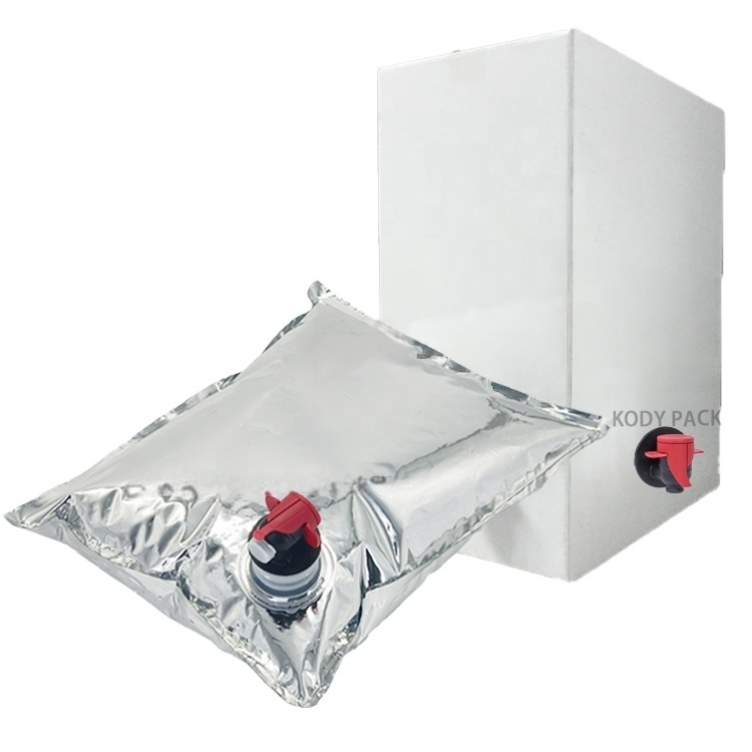
A bag-in-box system consists of a flexible inner bag with a dispensing tap, housed in a sturdy outer box. For wine, this method preserves freshness far longer than open bottles by collapsing around the liquid as it's dispensed, keeping air out.
Adopting bag-in-box packaging streamlines filling and boxing processes with automated equipment designed for high-volume output. The compact, stackable format also optimizes warehouse space and reduces shipping weight, cutting logistics costs significantly.
Yes, modern multilayer barrier films and aseptic filling technologies protect wine from oxygen and light, preventing spoilage. Many premium wineries now use this format for wines meant to be consumed within a year, as it preserves fresh aromas and flavors remarkably well.
Lighter, fruit-forward wines like rosés, crisp whites, and many young reds are ideal because they benefit from the bag-in-box's ability to lock in freshness. However, even some aged reds can be packaged this way if the bag includes ultra-high barrier properties.
Bag-in-box filling typically uses form-fill-seal technology where the bag is formed, filled, and sealed in one continuous motion. This eliminates steps like corking and capsule application, and it requires less water for cleaning, making it faster and more sustainable.
Initial machinery investment can be offset by lower material and shipping costs. Many small wineries find that the extended shelf life and reduced spoilage losses quickly justify the switch, and contract packing services are also available to avoid upfront capital expenditure.
Conclusion
Bag-in-box packaging is transforming wineries by seamlessly integrating efficiency and quality into every stage of production. By rethinking traditional bottling lines, factories can streamline operations with automated filling systems that reduce labor, minimize breakage, and accelerate throughput. The precision filling technology ensures consistent fill levels and oxygen-free sealing, which directly extends wine freshness without relying on heavy glass or corks. Scientifically engineered barriers and aseptic fitments lock out light and air, preserving the wine's aromatic profile for weeks after opening—a clear advantage for both retail and food service customers. This shift not only elevates product integrity but also slashes packaging weight, cutting shipping costs and warehouse footprint while maintaining rigorous quality standards.
Beyond the production floor, bag-in-box solutions address surging consumer demand for sustainable options. The compact format reduces material waste and employs recyclable or even reusable components, lowering the carbon footprint compared to single-use bottles. For the end user, the ergonomic tap dispenses smoothly and prevents drips, enhancing the pouring experience whether at a catered event or a home dinner table. Wineries adopting this approach report sharper margins through material and freight savings, while building brand loyalty among eco-conscious buyers who value practicality and fresher wine. In a competitive landscape, bag-in-box is more than an alternative—it's a strategic upgrade that aligns operational excellence with modern market expectations.
Contact Us
Contact Person: Cindy Lee
Email: [email protected]
Tel/WhatsApp: 8613622669331
Website: https://www.dgkody.com