

Best Distribution Box: Essential Features, Top Picks, and Expert Advice
2026-08-01
Choosing the right distribution box can make or break your electrical setup—safety, efficiency, and compliance all hinge on this single component. Whether you're upgrading a home panel or specifying for an industrial project, the options can be overwhelming. That's where Chang Song stands out: we've cut through the noise to bring you a practical guide that blends essential features, top product picks, and straight-talking expert advice. No fluff, just what you need to make a confident decision. Ready to find the box that actually fits your needs?
What Makes a Distribution Box Reliable for Long-Term Use
A distribution box that holds up over the years starts with smart material choices. Galvanized steel or high-grade polycarbonate enclosures resist corrosion far better than painted metal, especially in damp or outdoor settings. Inside, copper busbars and connections prove more stable than aluminum alternatives, reducing the likelihood of loosening or oxidation over time. It’s not just about the raw materials, though—how they’re put together matters just as much. Welded seams, gasketed doors, and thoughtfully placed drainage holes keep moisture and dust out, preventing the kind of slow degradation that eventually leads to failures.
Another factor that often gets overlooked is thermal management. Even a well-built box can overheat if ventilation isn’t right or if circuits are packed too tightly. Proper spacing, built-in ventilation louvers, and in some cases, active cooling fans, ensure that components don’t cook themselves during peak loads. Beyond physical design, the internal layout should leave enough room for future upgrades without forcing electricians into messy workarounds. A reliable box adapts to change—whether that means adding a new circuit or swapping outdated breakers—without compromising safety or longevity.
Finally, reliability comes down to how the box is installed and maintained. Even the best enclosure can fail if mounting is sloppy or if cables aren’t secured properly. Vibration loosens terminals; heat cycles cause expansion and contraction. Regular inspections catch these issues early, but a well-designed box includes features like torque-marked connections and clearly labeled wiring that make those checks faster and more accurate. Long-term use also depends on compliance with local codes and standards, but rather than just meeting the minimum, reliable boxes often exceed them—using thicker enclosures, larger busbars, or additional protection features that add headroom for decades of trouble-free service.
Key Safety Certifications You Shouldn't Overlook
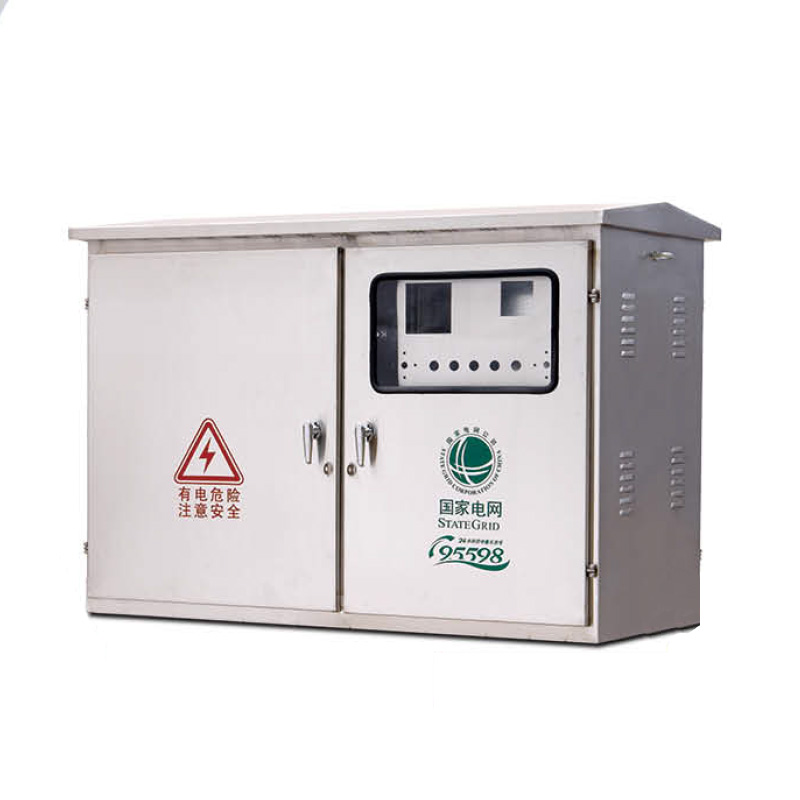
When you're picking out gear for your next project or workplace, it's easy to focus on features and skip past the small logos on the label. But those marks—like UL, CSA, or CE—aren't just decoration. They signal that a product has been tested against rigorous safety standards, often by independent labs. Overlooking them can mean bringing equipment into your environment that's never been properly vetted for fire, shock, or mechanical hazards.
Different regions lean on different certifications, and assuming one covers all is a common misstep. A CE mark shows compliance with European directives, but it's not the same as a nationally recognized testing mark in North America. If you're operating across borders, dig into what your local inspectors actually require. For electronics, the difference between an ETL and UL mark might be subtle, but both matter when it's time for an audit or insurance check.
It's also worth looking past the obvious. Certifications for arc flash protection, hazardous location suitability, or even sustainability claims often fly under the radar but carry serious weight in specific settings. A label like NFPA 70E on your protective clothing or ATEX on a sensor isn't about marketing—it's about matching equipment to the real risks your team faces every day. Make these marks a non-negotiable part of your purchasing checklist, right alongside cost and performance.
How to Match the Right Box to Your Project's Power Needs
Matching a box to your project's power demands goes beyond just checking voltage and wattage. Start by mapping out every device or component that will draw electricity, noting their peak consumption rather than relying on average figures. This small step prevents unexpected shutdowns when everything kicks on at once. It's also wise to build in a buffer—aim for at least 20% more capacity than your calculated maximum—to handle power surges or future additions without needing a complete overhaul.
The physical environment plays a bigger role than many realize. Heat, dust, and moisture can silently choke a poorly chosen enclosure, leading to overheating or corrosion that derails performance. If your project lives outdoors or in a workshop, look for weather-resistant seals and active cooling options before committing. A box that thrives in a clean, climate-controlled room might fail miserably under a deck or in a garage corner, so align the protection rating with the real-world location.
Don't overlook the wiring logistics. A box with ample knockout points and internal space simplifies cable management and reduces the temptation to force tight bends that stress connections. Also consider how the box integrates with existing infrastructure—matching plug types, ensuring proper grounding paths, and leaving room for surge protectors can save hours of retrofitting. Sometimes, a slightly larger upfront investment in a well-thought-out enclosure pays for itself by dodging intermittent failures and service calls down the road.
Material and Build Quality: Spotting Premium Enclosures
Weight and surface temperature often give away more than a spec sheet ever could. A well‑built enclosure feels substantial the moment you pick it up—not necessarily heavy for the sake of it, but dense and free of hollow‑sounding panels. Premium-grade aluminum chassis, for instance, transmit a cool, almost silken touch that plastic rarely replicates, while even high‑end polymers resist fingerprint smudging and develop a grippy texture that softens over years rather than peeling away.
Seams and joinery are where craftsmanship quietly announces itself. In truly refined units, you won’t find uneven gaps, sharp mold lines, or creaks when you apply gentle torsion. Edges are either smoothly radiused or precisely chamfered, and paint or anodization coats every surface uniformly—no thin spots around screw holes or speaker grilles. The way a lid mates with the body, whether through press‑fit, screws, or magnetic alignment, should feel solid and repeatable without excessive force.
Small interactive elements often betray the overall standard. Buttons that actuate with a soft, dampened click and maintain consistent resistance across their travel hint at careful engineering beneath. Port covers and protective flaps align flush and stay securely in place when closed, while internal shielding and gaskets sit neatly rather than looking like an afterthought. Even the underside’s rubber feet—well‑adhered and precisely leveled—signal that someone obsessed over the details rather than treating the bottom as an invisible work surface.
Installation Insights That Save Time and Reduce Headaches
Jumping straight into assembly without a clear plan is the fastest route to frustration. Before you even open the box, clear your workspace and do a quick mental run-through of the process. Lay out all the parts, group similar screws and brackets, and check for damage. Those extra ten minutes of setup often prevent hours of backtracking later when you realize a crucial piece is jammed in the packaging or you’ve been working on the wrong end the whole time.
Instruction manuals have a bad reputation, but treating them like a novel instead of a reference guide is where things go wrong. Instead of reading every word, scan the diagrams first to grasp the overall structure. Identify the steps that look tricky or counterintuitive—those are the ones where you’ll want to follow the order precisely. For the rest, trust your mechanical intuition but keep the manual nearby. It amazes me how often a quiet ten-second check prevents a forty-minute disassembly.
One lesson that sticks: never underestimate the damage a wrong tool can do. A screwdriver that’s slightly too small strips the head, a wrench that slips rounds off a bolt—tiny mistakes that turn simple jobs into nightmares. I also like to use a muffin tin or small bowls for sorting fasteners as I go, keeping everything visible. And if you’re taking something apart to install a new component, snap a few photos along the way. You’ll thank yourself when it’s time to reassemble and a wire or clip refuses to cooperate.
Smart Features and Future-Proofing Your Electrical Setup
Bringing intelligence into your electrical system isn’t just about convenience—it’s about building a foundation that adapts as technology evolves. Modern setups go far beyond basic outlets and switches. Think of circuits that learn your daily patterns, automatically dimming lights when natural sunlight floods the room, or smart panels that prioritize power to essential appliances during an outage. These aren't futuristic concepts; they’re available now, and integrating them means your home stays relevant without requiring a full rewire every few years. The trick is choosing components that speak a common language, so your lighting, climate control, and security devices work together effortlessly, even as new gadgets hit the market.
Future-proofing really comes down to the backbone you install today. It’s tempting to save a few dollars by skimping on cable grade or panel capacity, but that short-term thinking often leads to expensive retrofits. Running conduit to key locations—even if you don’t pull the wire right away—gives you the freedom to add whatever the next decade invents, whether it’s higher-wattage car chargers or sensor arrays we haven’t imagined. Pair that with a structured wiring cabinet that keeps low-voltage and line-voltage separate, and you eliminate interference while making updates a breeze. Consider this: a well-planned electrical closet with room for expansion modules means a technician can swap in a new energy management hub in an afternoon, rather than tearing into drywall.
Don’t overlook the software side either. Many “smart” products become dumb the moment their cloud service shuts down, so prioritize devices with local processing and open APIs. A system that can detect load imbalances and nudge you to shift usage away from peak times not only cuts bills but also protects your battery storage investment if you go solar. And as utility companies roll out time-of-use plans, a panel with granular circuit monitoring becomes an invisible money saver. It’s less about being an early adopter and more about making deliberate choices that keep your living space in tune with a rapidly shifting energy landscape, without feeling like a science project every time you walk into a room.
FAQ
A distribution box, sometimes called a distribution board or panel, is the central hub that splits your main power supply into smaller, safer circuits for different areas or appliances. Without it, you'd have no way to manage loads, protect against overloads, or safely isolate faults—making it a non-negotiable part of any modern electrical system.
Focus on the build material—flame-retardant, UV-resistant enclosures last longer. Look for clear labeling, ample space for wiring, and compatibility with standard MCBs and RCCBs. A transparent door, busbar design that simplifies connections, and proper IP rating for dust and moisture protection are also big pluses.
Absolutely. Manufacturers now offer slim, wall-mounted units that accommodate plenty of modules without bulking up. Just ensure they meet IEC standards and have reinforced insulation. The key is to check the internal layout—generous wiring gutters and a well-thought terminal arrangement make even small boxes easy to work with.
Schneider Electric's Acti 9 series, Legrand DLP, and Hager Vector are often praised for durability and ease of installation. For a budget-friendly yet reliable option, Anchor Penta or Crabtree Starbreaker also get solid feedback. It really depends on your load requirements and regional availability, so comparing a few in person helps.
Metal boxes offer better mechanical protection and fire resistance, making them ideal for industrial or outdoor applications. High-grade plastic (like polycarbonate) is more common indoors—it's lighter, corrosion-free, and easier to modify on-site. If in doubt, match the material to the environment: indoors with moderate conditions, plastic usually wins; heavy-duty or exposed spots, go metal.
Always leave room for future expansion—add at least 20% spare capacity. Double-check busbar alignment, use ferrules for fine-stranded wires, and never overcrowd the neutrals. Label every circuit clearly from day one, and if you’re not fully confident with the main cables, call a licensed electrician. That half-hour of extra care saves hours of head-scratching later.
Yes, many modern boxes are designed with DIN-rail slots for smart modules like energy meters, timers, or network-controlled breakers. You can track consumption per circuit, set schedules, or even remotely reboot a tripped appliance. Just make sure your box’s busbar system and space can handle the extra gear without violating clearances.
Conclusion
Long-term reliability in a distribution box hinges not just on initial build quality but on how well it manages heat, resists corrosion, and handles daily loads without degrading. A box that pairs rugged materials like reinforced polycarbonate or powder-coated steel with well-designed ventilation can prevent component failure decades down the line. Equally vital are safety certifications—look beyond generic marks and seek out specific ratings like IP65 for dust and water resistance, or IEC 61439 compliance for low-voltage assemblies. These aren't mere labels; they're guarantees that the unit has passed rigorous tests for arc fault containment and fire resistance, critical when safeguarding industrial or residential circuits.
Matching the box to your project means calculating not only current amperage but factoring in future expansion, so opting for a slightly larger enclosure with modular busbar systems can pay dividends. Premium enclosures reveal themselves through seamless welds, uniform gasket seals, and a heft that signals thick walls rather than cheap composites. Installation headaches often stem from overlooked details—choosing boxes with knockouts on multiple sides or pre-mounted DIN rails can save hours, while hinged covers and removable gland plates turn maintenance into a simple task. Lastly, integrating smart features like voltage monitors or surge protective devices from the start future-proofs your setup against both hazards and evolving energy needs, a strategy that top-tier electricians consistently endorse.
Contact Us
Contact Person: Tonglun Chen
Email: [email protected]
Tel/WhatsApp: 8618906642555
Website: https://www.cncsele.com