

Bulk Veterinary GS-441524 Injection Guide for Treating FIP in Cats
2026-11-16
An FIP diagnosis used to feel like a dead end. Now, GS-441524 injections are changing outcomes for cats—but treating FIP successfully demands precision, from dosing to storage. If you're handling bulk veterinary supplies, the stakes are even higher. This guide cuts through the confusion, offering clear, practical steps for using bulk GS-441524 safely and effectively. And when it comes to reliable sourcing, Lucpets has you covered.
What Makes GS-441524 Effective Against Feline Coronavirus Mutations
Unlike many antivirals that go after surface proteins prone to rapid change, GS-441524 aims at a much more stable part of the feline coronavirus replication machinery. The drug is a nucleoside analogue that gets incorporated into newly synthesized viral RNA by the virus's RNA-dependent RNA polymerase. Once inserted, it causes premature termination of the RNA chain, effectively halting replication. Because the polymerase's active site is highly conserved across feline coronavirus strains and even among different coronaviruses, the mutations that turn a harmless enteric feline coronavirus into the deadly FIP-causing form rarely affect this target. That means GS-441524 retains potency even when the virus has changed its spike or accessory genes to infect macrophages.
Another reason for its effectiveness against mutant strains lies in the high genetic barrier to resistance. While any antiviral can eventually select for resistant variants, the specific mutations needed to make the polymerase ignore GS-441524 tend to impair the enzyme's normal function. In laboratory studies, such changes often reduce viral replication speed or fidelity, making the mutant virus less fit in a real host. This built-in constraint means that GS-441524 remains a reliable option for treating feline infectious peritonitis, even in cases where the virus has undergone substantial mutation during the course of infection.
Buying in Bulk: How to Vet Suppliers Without Cutting Corners
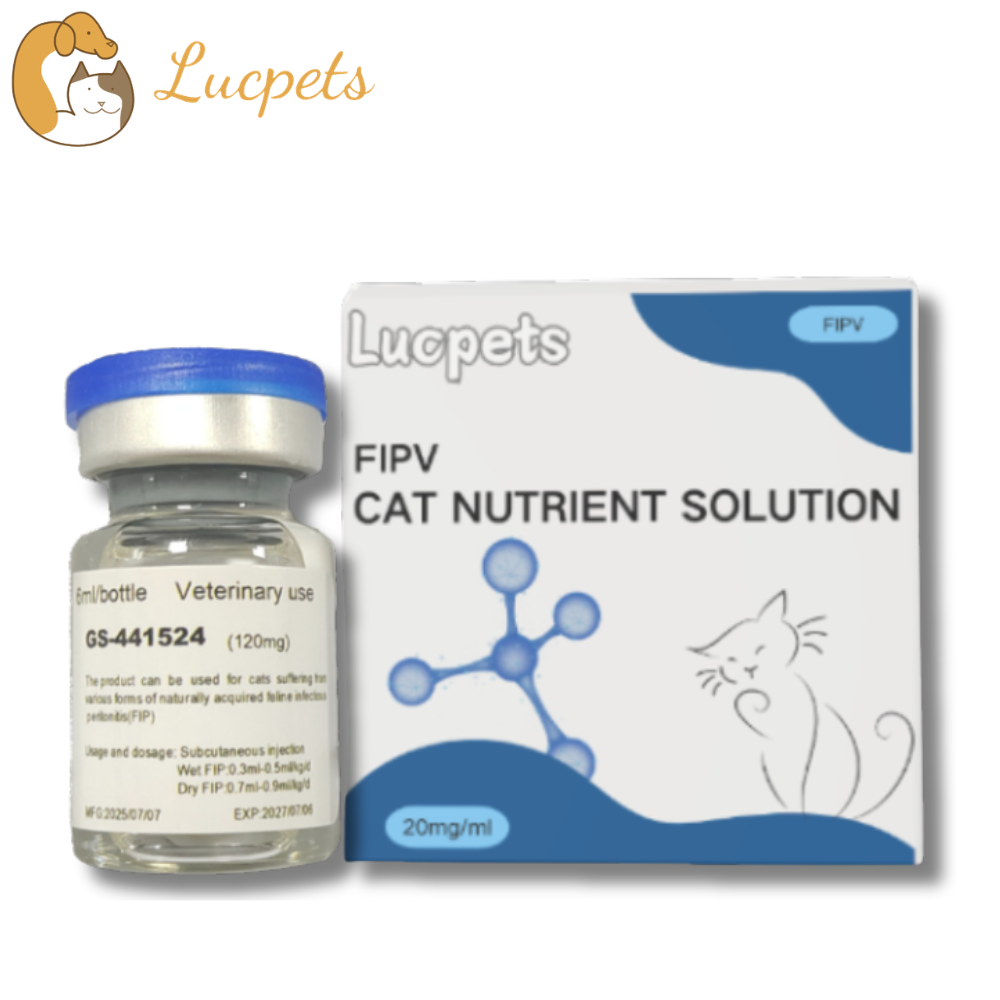
Vetting a bulk supplier starts before you ever place an order. Ask for their business license, export records, and a couple of recent clients who actually buy in your volume range. Call those references, but don't stop at the polished ones—ask for a client who had a problem and how it was resolved. A supplier that refuses to share any negative history is either hiding something or hasn't been around long enough to have one.
Order a sample batch, not just a single item. Pay the full cost yourself. If the sample arrives late, with inconsistent sizing or sloppy packaging, that's exactly how your bulk shipment will arrive, only multiplied. Also request the supplier's own quality control checklist and compare it against your own spec sheet before you commit. Anything missing there will be missing from the final product.
For larger orders, a third-party inspection is cheap insurance. Hire someone local to check materials, workmanship, and packing at the factory before the container seals. Set the payment terms so the final balance isn't released until the inspection report clears. Suppliers who push back hard on this usually know something about their production line that you don't.
Calculating the Right Dose for Wet vs. Dry FIP
Figuring out the right dose for wet versus dry FIP isn't just a matter of plugging the cat's weight into a formula. The wet form, with its abdominal or chest effusion, shifts how a drug distributes through the body—some of the dose ends up diluted in that extra fluid, while the actual viral load sits in the macrophages lining the affected cavities. Dry FIP, on the other hand, forms granulomas that are notoriously hard for medication to penetrate, so simply using the same milligram-per-kilogram figure for both forms often leads to underdosing one or the other.
Most experienced prescribers start with a base dose tied to lean body weight, then adjust upward for dry cases that show ocular or neurological involvement, or for wet cases where large-volume effusions are present. A practical approach is to monitor the response within the first week: if the effusion isn't visibly receding or the fever hasn't broken, the dose may need to be recalculated rather than waiting for a full course to finish. Keeping a log of actual weight changes—not just the initial reading—also matters, since fluid loss during treatment can quickly turn a previously adequate dose into one that's too low.
Pain-Free Injections: Handling, Dilution, and Needle Choice
The first thing patients notice is temperature. Cold solution stings, so letting vials sit at room temperature for ten minutes before drawing up can make a noticeable difference. Avoid vigorous shaking—rolling the vial gently between palms preserves the molecule and prevents micro-bubbles that cause tissue irritation. Slow, steady depression of the plunger also reduces pressure-related pain, especially in dense areas like the forehead or nasolabial folds.
Dilution isn't just about concentration; it changes how the injection feels. Over-diluting can force you to inject more volume, stretching tissue and triggering pain receptors. Under-diluting may leave the solution too viscous, requiring a larger needle and higher pressure. The sweet spot varies by product: for most neuromodulators, a 2.5 mL per 100-unit vial ratio keeps the pH close to physiological while allowing a fine 31-gauge needle. Always use preservative-free saline unless the manufacturer specifies otherwise—benzyl alcohol can sting.
Needle choice is where many practitioners sabotage themselves. A 31-gauge, 8-mm needle with a thin wall and silicone coating glides through skin with minimal resistance, but the bevel orientation matters just as much. Insert bevel-up at a 30-degree angle to separate tissue planes rather than cutting through them. For sensitive patients, applying a topical anesthetic 20 minutes prior or using a vibration device near the site can distract from the initial prick. Never reuse a needle even for the same patient—a dulled tip creates more drag and pain.
Reading Your Cat's Response: Early Wins and Warning Signs
Cats rarely announce their feelings in obvious ways, but if you watch closely, the first signs of approval are often subtle and physical. A slow blink from across the room, a tail held high with a slight curve at the tip, or the quiet decision to rest a paw on your arm while you sit together — these are early wins. They mean your cat is not just tolerating you, but actively choosing to lower its guard. Unlike dogs, cats do not perform for praise; they offer trust in small, deliberate doses. So when your cat turns its back to you and settles into a loaf position, that is not dismissal. It is a statement that you are safe enough to be ignored around — and for a cat, that is a big deal.
At the same time, not every response is a green light. Warning signs are often misread because they look like affection to untrained eyes. A twitching tail while being petted, ears flicking backward, or a sudden over-grooming session right after you touch a certain spot — these are signals that stimulation has tipped into irritation. A cat that freezes mid-stroke and stares at your hand is giving you a chance to stop before the claws come out. Even a purr is not always positive: some cats purr when nervous or in pain. The key is to read the context. If your cat’s body is tensed, pupils dilated, and the purr has a rough edge, back off. Early wins feel soft and loose; warning signs feel tight and electric.
Reading your cat is less about memorizing a list and more about building a shared vocabulary. Over time, you will notice that your cat uses specific signals just for you — a particular chirp at the door, a paw tap on your keyboard, a slow approach to your lap that means “I’m considering it.” The cats that seem hardest to read are simply the ones still deciding if you are worth the effort. The moment you stop pushing and start noticing, the dialogue begins. And the best part is that this language is private, unbothered by trends or training manuals. It is just the two of you, learning each other’s quiet rhythms.
Managing Relapses and Finishing the Full 84-Day Course
A slip doesn’t erase the weeks you’ve already put in. When symptoms return or old habits creep back around day 40 or 60, the instinct is often to quit and label the whole attempt as failed. Instead, treat it as data. Note what was happening in the days before—sleep, stress, skipped doses, or a return to a trigger environment—and adjust one small thing rather than overhauling everything at once.
The last two weeks of an 84-day protocol can feel harder than the first month, partly because motivation has thinned and the finish line still seems distant. This is where a bare-minimum plan helps: decide in advance what counts as a “done” day even on your worst afternoon. It might be taking the prescribed dose, doing ten minutes of movement, or sending one check-in message. Keeping that floor in place protects momentum without demanding perfection.
Finishing the full course matters less as a moral victory and more as a way to let the intervention do its slower, less visible work. If you relapse, restarting from day one is rarely necessary unless a clinician says so; usually the better move is to resume the next scheduled step and extend the timeline if needed. Mark the final day with something concrete—a written note about what improved, a follow-up appointment, or a planned taper—so the endpoint feels real and the transition out is deliberate.
FAQ
GS-441524 is the active metabolite of remdesivir, a nucleoside analog that blocks viral RNA replication. In cats with FIP, the feline coronavirus mutates and replicates unchecked; this drug interferes with that process, allowing the immune system to clear the infection.
It's written primarily for veterinary professionals who are handling bulk GS-441524 for injection protocols, but informed owners working closely with their vet will also find the storage, dosing, and administration details useful.
Subcutaneous injection is standard, usually rotating between the scruff, flank, and lower back areas. Use a new needle for each draw, warm the vial slightly, and inject slowly to reduce stinging. Rotating sites helps prevent skin sores.
Keep the powder or concentrated solution refrigerated at 2–8°C, protected from light. Once reconstituted or diluted, use within 30 days if refrigerated, and never freeze. Always check for discoloration or particles before drawing a dose.
The commonly cited range is 4–8 mg/kg once daily by subcutaneous injection, depending on whether it's wet or dry FIP and the severity of neuro or ocular involvement. Treatment typically lasts 12 weeks, with dose adjustments based on clinical response and blood work.
Injection site reactions like sores or hair loss are common if not rotating sites. Some cats show transient lethargy, reduced appetite, or mild elevation in liver enzymes. More serious but rare effects include anemia or kidney strain, so regular blood monitoring is essential.
Bulk powder or concentrated solution significantly lowers cost per dose for treating multiple cats, and it allows custom dilution for exact dosing. The downside is that it requires careful aseptic handling, accurate reconstitution, and strict inventory control to avoid waste or contamination.
When a full 12-week course is completed and the cat remains clinically normal for at least 12 weeks after stopping, most are considered cured. Relapses are uncommon but can happen, often if the dose was too low or treatment ended too early.
Conclusion
Bulk veterinary GS-441524 has become a cornerstone for cat owners battling FIP, yet its effectiveness hinges on understanding why this nucleoside analog disrupts feline coronavirus replication. The compound mimics a key RNA building block, causing premature termination of viral genome synthesis, which directly counters the rapid mutations that make FIP so deadly. This mechanism is robust across both wet and dry forms, but dosing must be tailored: effusive cases often require aggressive initial loading due to widespread inflammation, while non-effusive presentations demand careful titration to penetrate ocular or neurological barriers. When sourcing in bulk, verifying third-party purity reports, requesting batch-specific sterility data, and confirming the supplier's cold-chain handling history separate legitimate distributors from risky gray-market sellers. Proper dilution with bacteriostatic water, using 25-gauge needles, and rotating injection sites reduce local irritation, turning a painful daily ritual into a manageable routine for the cat.
Clinical response typically appears within the first 10 to 14 days—reduced fever, improved appetite, and shrinking abdominal effusion are early wins—but plateauing or worsening after that window should trigger a reassessment of dose or drug quality. Owners must resist the urge to stop early; the full 84-day course is non-negotiable because subtherapeutic exposure allows resistant viral quasispecies to emerge. Relapse, if it occurs, usually arises from incomplete clearance in privileged sites like the central nervous system, requiring an extended or higher-dose protocol. Throughout treatment, tracking weight gain, serum protein levels, and lymphocyte counts provides objective markers that guide adjustments. A well-managed bulk supply, stored in a dark, temperature-stable environment and drawn with strict aseptic technique, ensures consistent potency from first vial to last, giving cats the best chance at a durable cure.
Contact Us
Contact Person: Aaron
Email: [email protected]
Tel/WhatsApp: +86 18177165140
Website: https://www.lucpetsglobal.com