

China Breathable Membrane Supplier: How to Vet Quality and Reliability
2026-09-14
Sourcing breathable membranes from China can feel like a gamble if you don't know what to look for. Quality claims are easy to make, but verifying them takes more than a quick glance at a spec sheet. That's where a supplier like Jinbo changes the equation. In this guide, we'll walk through the practical steps to vet quality and reliability, so you can avoid costly mistakes and build a supply chain you actually trust.
What a Breathable Membrane’s Pore Size Really Tells You
Many people assume that a smaller pore size automatically means a better membrane, but the reality is more complicated. Pore size alone only tells you the upper limit of particles that can pass through—it says nothing about whether all pores are uniform or if a few large defects exist. A membrane labeled 0.2 microns, for instance, might still leak if a handful of 1-micron holes are present. That’s why the maximum pore size, often measured by bubble point testing, is far more informative than the average when it comes to waterproofness.
The link between pore size and breathability is equally subtle. Small pores do restrict water vapor molecules, but a high porosity can offset this by providing a large total area for gas exchange. Expanded PTFE membranes commonly have pores between 0.1 and 0.5 microns with porosity above 80%, allowing sweat vapor to escape quickly while still blocking liquid water. In contrast, some membranes with extremely small pores but low porosity—or excessive thickness—end up feeling clammy. Relying on the pore size number alone can easily mislead you.
In real-world use, the right choice depends on the application’s priorities. Outdoor apparel demands a balance of high breathability and reliable waterproofing, so membranes with narrow pore size distribution and high porosity are favored. Medical protective gear, however, may prioritize blocking bacteria or viruses and accept lower breathability. Test conditions also play a role—different pressures and liquids can produce different results for the same membrane. Ultimately, pore size is just the starting point; what really matters is the combination of pore distribution, porosity, and thickness.
Factory Floor Red Flags That Paperwork Can’t Hide
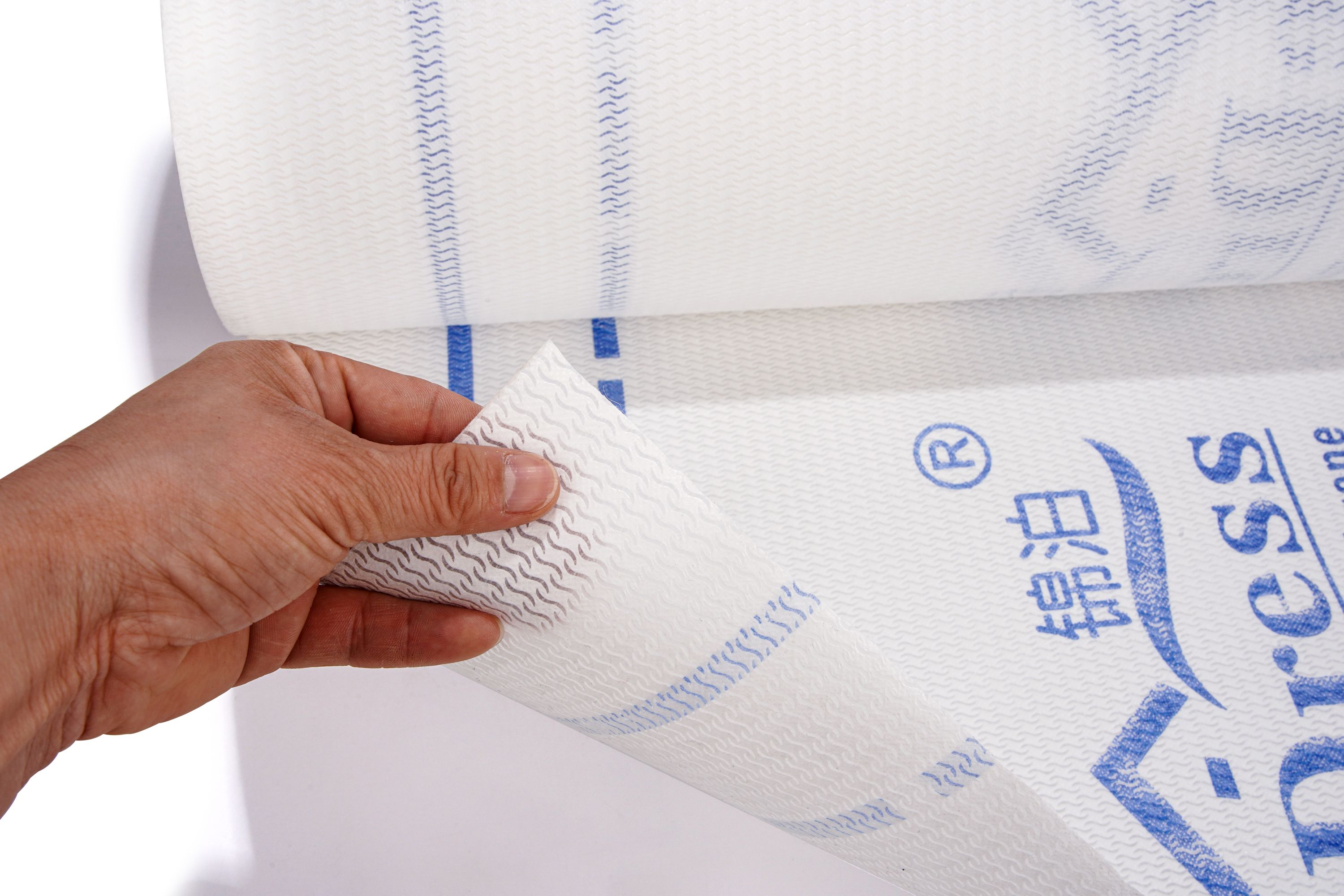
Walking a factory floor tells you things no audit report ever will. A clean workbench is easy to fake for visitors, but check the corners near the trim presses or under the conveyor—if you see a buildup of metal shavings, dust, or stray fasteners, that's not just housekeeping. It usually means maintenance schedules are slipping, and when maintenance slips, quality eventually follows.
Watch how material moves between stations. Paperwork may show smooth takt times, but if you see operators stacking half-finished parts on the floor or waiting for a forklift that's never where it should be, the real bottleneck isn't in the spreadsheet. Those improvised buffer piles are a sign of unbalanced lines, and they hide defects that only surface after the next process starts.
Pay attention to the sounds and smells. A high-pitched squeal from a bearing or a faint burnt-rubber odor near a drive belt won't show up in any maintenance log until someone writes it down—and by then, the line may already be down. Floor-level observations like these reveal whether a factory's culture encourages people to report small problems or just work around them.
Testing Batch Consistency Without a Fancy Lab
You don’t need a lab full of glassware to check whether your latest batch matches the last one. Start with your senses before reaching for any tools. Line up a sample from the previous batch next to the new one under the same window light. Look at surface texture, color depth, and how the material settles after cooling or curing. For candles, compare the tops for sinkholes or frosting; for a sauce, check how it clings to a spoon. Your eyes and fingers often catch what a machine would miss.
A few inexpensive tools can turn those observations into numbers. Use a kitchen scale to compare the weight of identical volumes—more air whipped into one batch will show up as a lighter scoop. A cheap digital thermometer lets you track melt points or cooling times, which is especially useful for balms and butters. For liquids, time how long it takes a set amount to flow through a funnel. Consistent numbers don’t guarantee perfection, but they make drift obvious before a whole production run goes sideways.
Keep a small reference jar from every batch and label it with the date. After a week or two, set the new batch beside the old one and do a blind sniff or touch test with someone who doesn’t know which is which. Ask simple questions like “which feels grainier?” or “which scent fades faster?” That kind of side-by-side comparison often reveals subtle shifts in ingredient quality or mixing speed long before customers notice.
The Gap Between a Supplier’s Sample Reel and Their Warehouse Stock
Suppliers love to put their best foot forward. The reel you’re shown is usually a highlight cut, picked from the most stable production run, sometimes even hand-finished before filming. But the cartons sitting in their warehouse were packed under deadline pressure, often from later batches with slightly different raw materials or a machine that hasn’t been recalibrated in weeks. That gap isn’t always a scam—it’s just how production floors actually work.
One common cause is batch drift. A dye lot changes, a blade dulls, a new operator runs the line a little faster than the one who made the sample. Quality control may inspect only a small percentage of units, so the flawless reel survives while the average unit carries small deviations: a stitch length off by half a millimeter, a finish that’s a shade duller, a tolerance that slipped from ±0.5 mm to ±0.8 mm.
If you’re buying, don’t judge by the reel alone. Ask for a random pull from current stock—not a pre-packed sample box. Specify acceptable tolerances in writing and, if the order size justifies it, send someone to open cartons at the warehouse before release. The suppliers who welcome that kind of check are the ones whose reel and stock actually match.
Certifications Chinese Suppliers Flash—and How to Verify Them
Plenty of supplier pages parade badges for CE, RoHS, or ISO without any easy way to confirm they belong to the product you are actually buying. Some certificates are expired, some belong to a sister company, and a few are simply edited in Photoshop. Treat those logos as a starting point, not proof.
Ask for the certificate number and the name of the issuing body, then check that body's own database. For electrical or children's products, request the test report from an accredited lab and match the model number on the report to what you plan to order. If the supplier sends a blurry scan or suddenly changes the subject, that usually tells you more than any badge.
For high-value orders or anything tied to safety regulations, use a third-party inspection service to audit the factory before shipment. A quick on-site check can confirm that the production line matches the certification scope and that the sample you approved is what actually gets packed into the carton.
Why Delivery Reliability in Breathable Film Is Tied to Raw Material Stockpiles
Breathable film extrusion depends on a short list of resins, mineral fillers, and processing additives that often come from just a few qualified sources. When those inputs are not physically on hand, lead times stretch in ways that cannot be recovered later. A delayed shipment of calcium carbonate or a specialty polyethylene grade can idle a line for days, and because breathable film is frequently produced to order for hygiene or medical converters, there is rarely finished inventory available to fill the gap. Raw material stockpiles act as the main buffer between upstream supply hiccups and the delivery dates promised to customers.
The connection becomes even clearer during force majeure events, port congestion, or sudden demand spikes. Converters that run with lean raw material inventories may save working capital in normal months, but they leave every open order exposed to the same single point of failure. Keeping several weeks of critical inputs on hand, especially grades that cannot be easily swapped between suppliers, allows planners to hold lead times steady when spot markets tighten. That buffer is not idle cost; it is what turns a quoted date into a dependable one.
FAQ
Start with the production floor itself. Look at whether the line is clean, how old the extrusion and lamination equipment is, and whether there's a dedicated QC team checking thickness and pore structure in real time. Don't rely only on a glossy sample swatch; ask to see the actual raw material certificates and the tolerance range they hold on a daily run.
Ask for third-party test reports, not just in-house data. The report should state the exact standard used, such as ASTM E96 for moisture vapor transmission or ISO 811 for hydrostatic head. Then randomly pull a roll from your trial order and send it to SGS, Intertek, or another independent lab. A supplier that hesitates on this usually has something to hide.
ISO 9001 is a baseline but tells you little about product performance. More meaningful are REACH or RoHS compliance for raw materials, and if you're buying for construction, ask for CE marking under EN 13859 or similar. Also check whether the factory has been audited by any of the big sportswear or medical brands, because that forces a higher level of process control.
An unusually low price that's far below the market average is the first warning. Other signs include vague answers about polymer resin sources, frequent changes in film feel or thickness between samples and production lots, and a willingness to switch to a cheaper resin without telling you. If the data sheet keeps changing quietly, walk away.
For a small trial order, a live video tour of the extrusion line, QC lab, and warehouse can give you a decent picture. But before committing to large volume, a physical visit is worth it. Breathable membrane production depends heavily on melt temperature, stretching ratio, and lamination pressure, and these are hard to judge properly through a camera lens.
Request retained samples from the last three production months, then cut specimens from different sections of the same roll and test hydrostatic head plus moisture vapor transmission. The variation between samples should fit within the tolerance you both agreed in the specification. If the numbers jump around more than five to ten percent, their process control isn't stable enough for bulk supply.
A factory with its own polymer compounding and process engineering team can adjust formulas when raw material costs spike or when you need a different breathability-to-waterproofing balance. They're also less likely to experience sudden supply disruptions because they aren't fully dependent on one pre-made film source. That flexibility matters a lot once you move beyond generic product.
Put everything in a written technical specification: target grammage, minimum MVTR, minimum hydrostatic head, elongation, and any lamination or print compatibility. Then ask for real production data from a similar project they have already shipped, not just a promise. A small trial run under your own testing protocol will tell you more than any sales conversation.
Conclusion
A pore size spec on a datasheet won't tell you whether the membrane will actually perform after three months in a humid warehouse. You need to see how the supplier handles raw polymer lots and whether their extrusion line settings drift between shifts. When you walk the floor, look for things like dirty die lips, inconsistent roll tension, or operators bypassing the bubble inspection station—those habits won't appear in a quality manual. The sample reel you receive often comes from a carefully controlled trial run, not from the same production batch that will fill your container. Ask to pull a random roll from current warehouse stock and compare its hand feel, thickness profile, and MVTR against that golden sample.
Certifications like REACH or ISO 9001 get waved around, but many Chinese suppliers let those documents lapse or borrow them from a partner factory. Verify the certificate number on the issuing body's website and check whether the scope covers breathable film, not just general plastics. Batch consistency can be checked without a lab: cut a small piece from each incoming roll, weigh it, and do a simple water column or moisture vapor transmission spot check. If the supplier's raw material stockpile is thin—say, less than two weeks of resin on site—delivery promises mean little, because breathable film production stalls the moment a polymer shipment is delayed. A reliable supplier keeps a buffer of the exact grade they use, not a substitute.
Contact Us
Contact Person: Miranda
Email: [email protected]
Tel/WhatsApp: +8615231299719
Website: https://www.ihousewrap.com/