

Copper Plate Vendor: Essential Guide for Quality Metal Supplies
2026-04-03
Welcome to the essential guide for sourcing quality metal supplies, where precision meets performance. Whether you're in construction, manufacturing, or a related industry, understanding the nuances of copper plate vendors can make all the difference. At Jiangsu Baowu New Materials, we combine cutting-edge technology with a legacy of excellence to ensure every plate delivers unmatched durability and value. This blog dives deep into what sets top-tier suppliers apart, why material integrity matters more than ever, and how informed choices can streamline your operations. Ready to explore the secrets behind superior metal procurement?
How to Identify the Best Copper Plate Suppliers for Your Project
When sourcing copper plates for your project, start by evaluating supplier expertise in material specifications. Look for suppliers who not only offer standard grades like C11000 or C10100, but also provide detailed technical support on alloy properties, such as conductivity and corrosion resistance. Check if they share case studies or customer testimonials that highlight successful applications in industries similar to yours, ensuring they understand your specific needs beyond just price quotes.
Next, dig into the supplier's quality assurance processes. A reliable copper plate supplier should have certifications like ISO 9001 and transparent documentation for traceability, from raw material sourcing to final inspection. Ask about their testing methods, such as ultrasonic testing or chemical analysis, and request samples to verify consistency in thickness, finish, and purity. This hands-on approach helps avoid delays or rework due to subpar materials.
Finally, consider factors like lead times, customer service, and sustainability practices. Evaluate their production capabilities to ensure they can meet your deadlines without compromising quality. Assess responsiveness through direct communication—quick replies and proactive problem-solving are key. Additionally, inquire about their environmental policies, such as recycling initiatives, as this can align with your project's values and reduce long-term risks.
Understanding Different Grades and Finishes in Copper Materials
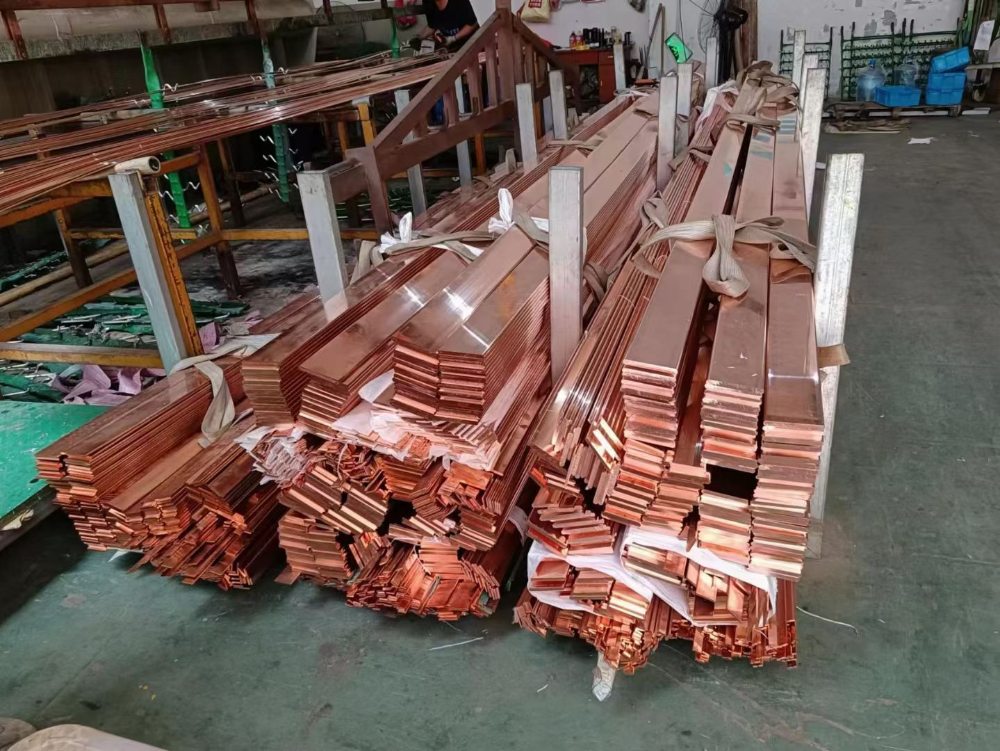
Copper materials aren't just a one-size-fits-all solution; they come in a range of grades and finishes that cater to diverse applications and aesthetic preferences. The grade of copper refers to its chemical composition and purity, which directly impacts properties like conductivity, corrosion resistance, and strength. For instance, C110 copper, known as electrolytic tough pitch copper, is widely used in electrical components due to its high conductivity, while C101 oxygen-free copper is prized in high-vacuum environments where oxidation must be minimized. Beyond grades, finishes add another layer of customization, transforming the metal's surface for specific needs. A polished finish offers a bright, reflective look ideal for decorative pieces, whereas a brushed or satin finish provides a softer, matte appearance that hides fingerprints and scratches in high-traffic areas like kitchenware or architectural accents.
When selecting a finish, consider not just aesthetics but also functionality and durability. For example, a patina finish, achieved through chemical treatments, gives copper an aged, greenish hue that's popular in art and roofing, adding character while enhancing weather resistance. On the practical side, a lacquered or coated finish can protect the surface from tarnishing, making it low-maintenance for items like hardware or jewelry. It's crucial to match the finish to the environment—outdoor applications might benefit from a weathered finish that blends with nature, while indoor fixtures could shine with a clear coat to maintain their luster. By understanding these nuances, you can choose a copper material that not only looks great but performs reliably over time.
In comparison to other metals, copper's versatility in grades and finishes sets it apart, allowing for tailored solutions across industries. From the reddish-brown allure of bare copper in sculptures to the sleek, antimicrobial properties of copper alloys in healthcare settings, these variations ensure the material remains relevant and adaptable. By delving into the specifics of grades like C122 phosphor-deoxidized copper for plumbing or finishes like hammered textures for rustic décor, users can make informed decisions that enhance both form and function. This depth of choice empowers designers, engineers, and hobbyists alike to create with copper in ways that truly stand out, blending tradition with innovation for enduring results.
Essential Tips for Maintaining the Durability of Copper Plates
Copper plates are prized for their beauty and functionality in various applications, from architectural accents to kitchenware, but maintaining their durability requires attentive care. One key tip is to keep them dry and clean, as moisture can lead to tarnishing or corrosion over time. After use, wiping them down with a soft, dry cloth can prevent water spots and slow the oxidation process that naturally occurs with copper, preserving their shine and structural integrity. It's also wise to avoid abrasive cleaners or harsh chemicals, which can scratch or strip the protective patina that often forms on copper surfaces.
For deeper maintenance, consider applying a protective coating or wax specifically designed for copper to create a barrier against environmental elements. This not only enhances durability by reducing exposure to air and moisture but also makes future cleaning easier. Some enthusiasts recommend natural methods like polishing with a mixture of lemon juice and salt for mild tarnish, but be cautious with acidic treatments as they can accelerate wear if overused.
Additionally, regular inspection for signs of damage such as cracks or heavy corrosion can help address issues early before they compromise the plate's longevity. Storing copper plates in a cool, dry place away from direct sunlight and humidity can further extend their lifespan, ensuring they remain durable and visually appealing for years to come.
Comparing Copper with Other Metals for Specific Applications
When selecting metals for particular uses, copper often stands out due to its unique blend of properties, but it's crucial to weigh it against alternatives like aluminum, steel, or stainless steel to optimize performance and cost-effectiveness. In applications requiring excellent electrical conductivity, such as wiring and electronics, copper remains unmatched by most metals, including aluminum, which though lighter, has lower conductivity and may need thicker gauges to achieve similar results. This makes copper a top choice where energy efficiency is paramount, though aluminum can be favored in overhead power lines due to its lighter weight and lower cost.
In plumbing and heating systems, copper's corrosion resistance and antimicrobial properties give it an edge over materials like galvanized steel, which can rust over time, or plastic pipes that may degrade with temperature fluctuations. However, for high-strength applications, such as structural components or tools, steel or titanium often surpass copper due to their superior tensile strength and durability, highlighting how the choice depends heavily on the specific mechanical demands and environmental conditions of the project.
For decorative and architectural elements, copper's distinctive patina and malleability allow for intricate designs, setting it apart from metals like brass or bronze, which offer different aesthetic and functional qualities. By considering factors like conductivity, corrosion resistance, strength, and aesthetics, engineers and designers can make informed decisions, ensuring that copper is used where its advantages most significantly enhance the application's success, rather than defaulting to conventional options.
Innovative Uses of Copper Plates in Modern Construction
In the realm of contemporary architecture, copper plates have transcended their traditional roles, emerging as a versatile material that architects and builders are leveraging for both functional and aesthetic purposes. Beyond merely acting as a durable roofing solution, copper is now being integrated into façades, interior accents, and even structural elements, offering a unique blend of longevity and visual appeal. Its natural patina, which develops over time, adds a dynamic, evolving character to buildings, making each installation distinct and reducing maintenance needs compared to other metals that might corrode or require frequent treatments. This shift reflects a growing appreciation for materials that age gracefully, contributing to sustainable design by minimizing waste and energy use over a building's lifecycle.
One particularly creative application is in high-performance building envelopes, where copper plates are used in innovative cladding systems to enhance energy efficiency. For example, some modern projects incorporate copper panels with integrated insulation or reflective coatings, which help regulate indoor temperatures by deflecting solar heat in warm climates or retaining warmth in colder regions. This not only improves thermal comfort but also reduces reliance on mechanical heating and cooling systems, aligning with green building standards. Additionally, copper's antimicrobial properties make it an excellent choice for surfaces in hospitals or public spaces, where hygiene is paramount, demonstrating how its utility extends beyond mere decoration to address pressing health concerns in urban environments.
Furthermore, the material is being reimagined in artistic and sculptural forms within construction, such as custom-designed copper screens or perforated panels that serve dual purposes as sunshades and decorative elements. These installations can manipulate light and shadow, creating dynamic visual effects that change throughout the day, thereby enriching the user experience. In projects like museums or cultural centers, copper's warm, metallic sheen adds a touch of elegance and heritage, while its malleability allows for intricate patterns and bespoke designs that set buildings apart from more conventional structures. By pushing the boundaries of how copper plates are applied, modern construction is not only enhancing durability and sustainability but also fostering a more expressive and human-centric approach to architectural design.
Cost-Effective Sourcing and Buying Strategies for Metal Supplies
Getting the best deals on metal supplies doesn't just happen by chance. It's about building relationships with suppliers who understand your needs and diving deep into market trends to anticipate price shifts. Start by tapping into local and global networks to find reliable vendors, and don't shy away from negotiating bulk orders or long-term contracts to lock in better rates. It's also smart to keep an eye on recycled metals, which often offer quality at a lower cost, helping you balance budgets without sacrificing performance. This proactive approach turns sourcing from a routine task into a strategic advantage.
Beyond just picking suppliers, timing your purchases can make a huge difference. Metals prices tend to swing with factors like economic cycles, geopolitical events, and seasonal demand, so staying informed helps you buy low. Consider using hedging tools or forward contracts to manage risks and secure stable prices over time. Also, diversify your sources to avoid dependency on a single supplier, reducing the chance of disruptions. By blending careful planning with flexible buying strategies, you can cut costs while keeping your supply chain resilient and efficient.
In today's fast-paced market, technology plays a big role in cost-effective sourcing. Tools like online B2B platforms and data analytics let you compare prices in real time and spot trends that might not be obvious. Pair this with a focus on quality checks to ensure you're not just buying cheap but getting value that lasts. Simple steps, like optimizing order sizes to match your production cycles, can trim waste and boost savings. Ultimately, successful metal procurement is about more than just price tags—it's a mix of smart deals, timely actions, and ongoing oversight that keeps your operations lean and competitive.
FAQ
Look for vendors with certifications like ISO standards, positive customer reviews, and a history of reliable supply chains to ensure quality and consistency.
Request material test reports or certifications such as ASTM specifications, and consider ordering samples to perform stress tests before bulk purchases.
Yes, many vendors offer recycled copper plates or those produced with low-emission processes; inquire about their sustainability practices and certifications.
They're widely used in electrical components, HVAC systems, roofing, and decorative elements due to copper's excellent conductivity and corrosion resistance.
Prices depend on factors like plate thickness, purity, order volume, and market demand, so compare quotes and negotiate terms for long-term contracts.
A good vendor provides technical assistance, handles returns or replacements for defects, and offers flexible delivery options to meet your project timelines.
Yes, most suppliers offer custom cutting, shaping, and finishes like polishing or patination; discuss your requirements early to ensure feasibility.
Check their inventory levels, shipping logistics, and contingency plans for disruptions, and ask for references from other clients in similar industries.
Conclusion
In the competitive landscape of metal supplies, selecting the right copper plate vendor is crucial for ensuring project success, as quality directly impacts durability and performance. This guide emphasizes the importance of identifying reliable suppliers by evaluating their credentials, industry reputation, and ability to provide diverse grades and finishes tailored to specific needs, such as architectural or industrial applications. Understanding these material variations helps in making informed decisions that align with project requirements, while also considering innovative uses in modern construction, where copper's aesthetic appeal and functional properties are increasingly leveraged for sustainable designs.
To maximize value, adopt cost-effective sourcing strategies by comparing copper with alternative metals like aluminum or steel, assessing factors such as corrosion resistance, conductivity, and lifecycle costs for targeted applications. Regular maintenance tips, including proper cleaning and protective coatings, enhance copper plates' longevity, ensuring they withstand environmental challenges. By integrating these insights, businesses can secure high-quality supplies that optimize budgets and project outcomes, distinguishing their procurement approach in a crowded market without falling into generic advice traps.
Contact Us
Contact Person: Zoe Liang
Email: [email protected]
Tel/WhatsApp: 86 189 2128 6299
Website: https://www.baowuchina.com