
Corn Milling Machine Supplier: Find the Perfect Partner for Your Grain Business
2026-05-29
In today’s competitive grain market, efficiency and quality aren’t just goals—they’re requirements. Finding a corn milling machine supplier that delivers both is rare, which is why PINGLE stands out. Discover how their innovative solutions can elevate your business.
Does Your Supplier Really Understand Grain Milling?
Picture a milling line that stalls because the equipment wasn't sized for your specific wheat hardness or moisture levels. True expertise goes beyond catalogue specs—it means your supplier has spent enough time on the processing floor to anticipate how different grain varieties behave under load, from durum to soft wheat, and can adjust roll gap profiles or sieve configurations without trial-and-error.
Deep milling knowledge also surfaces in how a supplier handles the invisible variables: ambient humidity in the tempering process, stone contamination that wears down roller mills unevenly, or the way a new hybrid's endosperm shatters under high-speed impact. A partner who genuinely understands this business won't just sell you a machine; they'll challenge your process flow, pointing out where a plansifter segment is underperforming or where you're sacrificing extraction rate for throughput.
Ask yourself when you last had a conversation about break release percentages or the impact of conditioning time on ash content in the first reduction passage. A supplier fluent in that dialogue is rare, and their value shows in the longevity of your plant's performance—reducing unscheduled downtime and keeping the flour quality consistent even as your raw material shifts from season to season.
The Hidden Costs of a Cheap Corn Milling Machine
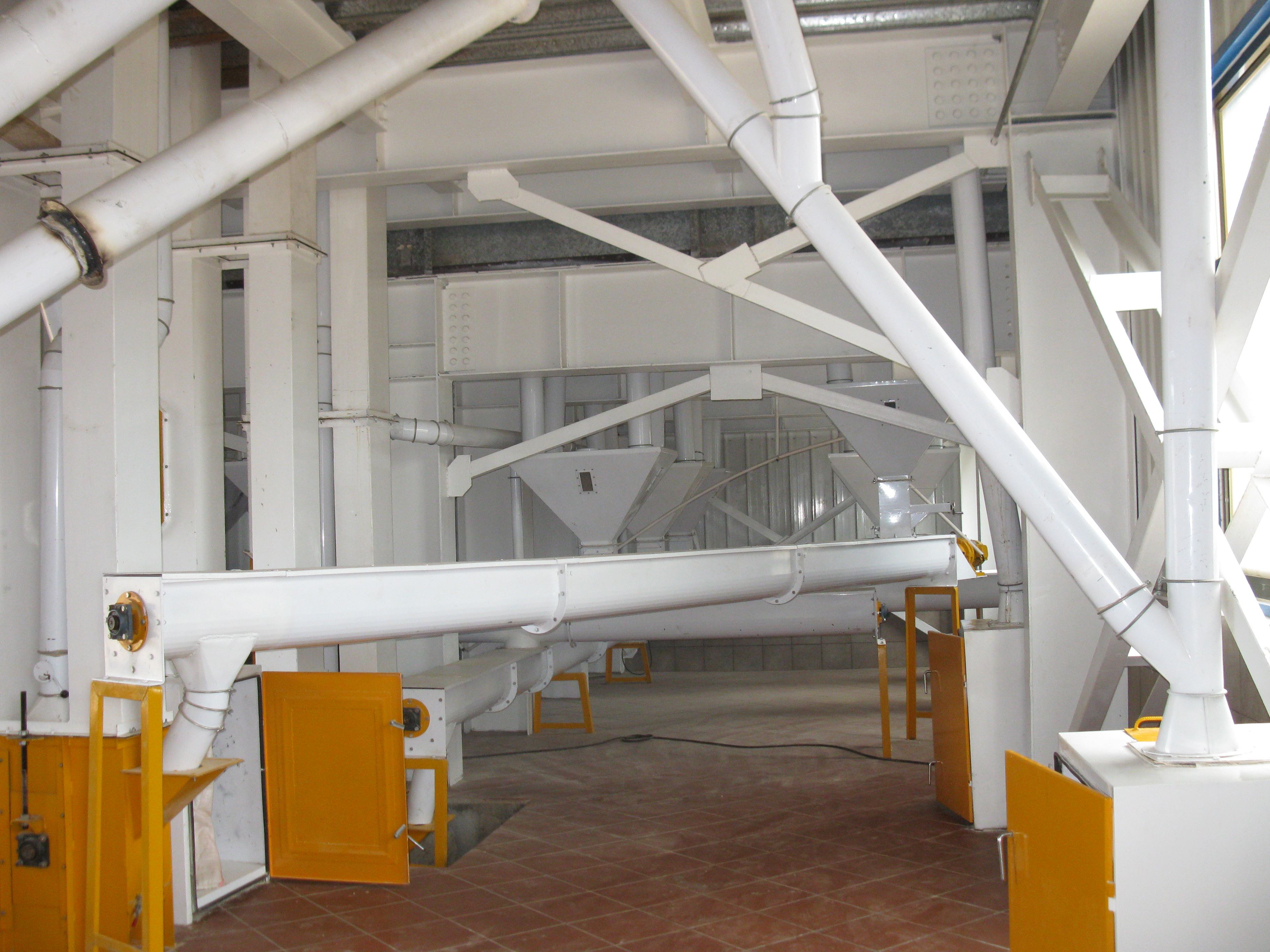
When you see a price tag that seems too good to be true on a corn milling machine, it often is. The initial savings can vanish quickly once you factor in the machine’s appetite for replacement parts. Low-cost models frequently use thinner, lower-grade steel in their grinding plates and hammers, leading to wear that demands replacement every few months. These recurring expenses, often overlooked at the time of purchase, can quietly double your operating costs within the first year.
Energy consumption is another silent budget drainer. Cheap motors tend to run inefficiently, pulling more electricity to do the same work. Over time, this inefficiency adds up to significant spikes in your utility bills. Paired with inconsistent output quality that forces you to re-mill or discard subpar flour, the machine costs you both in kilowatts and wasted raw material—eroding your margins from multiple angles at once.
Then there’s the time trap. Frequent breakdowns and clogging aren’t just inconvenient; they steal productive hours. Every moment you spend troubleshooting or waiting for a technician is a moment the mill isn’t generating revenue. A machine that promises affordability often ends up being a costly bottleneck, straining your ability to meet demand and maintain a reliable supply to your customers.
How to Spot a Reliable Milling Partner Before You Commit
A reliable milling partner leaves clues long before the first part is produced. Start by asking about their approach to material selection and tooling preparation. A shop that asks detailed questions about your end-use application, tolerance requirements, and production volume isn't being difficult—they're showing they care about getting it right. Watch for partners who can explain why they recommend a specific grade of material or a certain cutting strategy without falling back on generic sales pitches.
Pay attention to how they handle communication and problem-solving. A partner worth committing to will be upfront about potential challenges related to your design or timeline, instead of promising the moon just to win the job. Ask for a sample run or a trial order, and observe how they manage that small-scale production. Do they catch minor issues before they become major problems? Are inspection reports clean, timely, and easy to understand? These subtle signals often reveal more than any glossy capabilities brochure.
Finally, don't underestimate the value of a plant visit. Walking the floor gives you a real sense of their commitment to quality—look for organized workstations, properly maintained machines, and a team that takes pride in their craftsmanship. Chat with the operators if you can. Their enthusiasm and depth of knowledge often reflect the true culture of the shop, and that culture will directly influence the consistency of your parts over time.
Why Customization Matters More Than You Think
Customization transforms an ordinary experience into something deeply personal. It’s not just about offering choices—it’s about making users feel understood. When a product adapts to individual preferences, it creates a sense of ownership that generic solutions never achieve. This emotional connection drives loyalty far more effectively than any marketing campaign could.
What often gets overlooked is how customization shifts the user’s mindset from passive consumer to active participant. That subtle shift changes everything: engagement deepens, satisfaction rises, and the product becomes woven into the fabric of daily life. People don’t just use it; they shape it, and that investment makes them far less likely to walk away.
In a landscape flooded with one-size-fits-all options, customization stands out as a quiet but powerful differentiator. It signals that you’re paying attention to real human needs instead of chasing mass appeal. That kind of thoughtfulness builds trust, and trust is what turns casual users into devoted advocates.
The One Feature Your Corn Mill Can’t Afford to Miss
Every corn mill operator eventually faces the same frustration: inconsistent particle sizes that disrupt downstream processing or final product quality. What truly transforms a milling operation isn't just raw power or speed—it’s the mill’s ability to deliver an incredibly uniform grind, batch after batch. Without this, you're constantly adjusting recipes, dealing with unexpected sifting issues, and losing valuable material that doesn't meet spec.
The feature that makes all the difference is often overlooked: an advanced, self-regulating grinding gap mechanism. Unlike fixed-gap designs that wear down and drift over time, a dynamic system maintains optimal spacing automatically, compensating for stone or roller wear and varying feed characteristics. This means your corn is milled to the exact same coarseness from the first hour of operation to the last, eliminating the guesswork and manual adjustments that eat into your productivity.
Think about the money left on the table when your flour, grits, or feed vary in texture. Customers notice inconsistency, even if they can’t articulate it. A mill that holds a precise gap ensures every bag meets your quality promise, reducing returns and building trust. In an industry where margins are tight, this one feature can be the quiet backbone of your reputation, keeping your operation lean, predictable, and reliably profitable.
Building a Partnership That Grows With Your Business
Real partnership means more than a handshake and a contract. It’s about walking alongside you as your business shifts, expands, or pivots into new territory. We listen first, then act—shaping our support to fit where you are now and where you want to be. This isn’t a one-size-fits-all arrangement; it’s a living connection that adapts when your priorities change. Our team treats your goals like our own, which means we celebrate the wins, learn from the setbacks, and keep refining the approach without you having to ask.
What sets this apart is the everyday commitment to your growth. We don’t just show up for quarterly reviews; we’re embedded in the rhythm of your operations—spotting opportunities, smoothing out friction, and sharing insights that come from genuine curiosity about how you succeed. Over time, the relationship deepens. You’ll find we start anticipating needs before you voice them, because we’ve taken the time to understand not just your numbers, but the people and vision behind them. That’s when the partnership stops feeling like a service and starts feeling like a natural extension of your team.
FAQ
Your supplier directly impacts the quality, efficiency, and reliability of your milling operations. A strong partner provides durable machinery, responsive support, and flexible solutions that grow with your business, while the wrong choice can lead to frequent breakdowns, inconsistent output, and supply chain headaches.
Focus on their industry experience, machine quality, and customer references. A reliable supplier should offer proven technology, be transparent about materials and manufacturing processes, and have a track record of successful installations. Don't hesitate to ask for sample runs or visits to existing client facilities.
Check the materials they use—high-grade steel, durable coatings, and precision engineering matter. Look for details like bearing quality, motor specifications, and accessible maintenance points. A reputable supplier won't shy away from discussing wear parts and will often offer extended warranties or service contracts to back their claims.
It depends on your priorities. Local suppliers might offer faster service and easier communication, while overseas manufacturers could provide cost savings or specialized technology. Weigh factors like shipping costs, after-sales support, spare parts availability, and lead times. Many successful partnerships today bridge the gap with remote diagnostics and local service agents.
Expect comprehensive support: installation assistance, operator training, preventive maintenance programs, and a readily available inventory of spare parts. The best suppliers treat the sale as the beginning of a long-term relationship, proactively checking in and offering upgrades as your business evolves.
Start by clearly defining your output goals, available space, power supply, and grain types. A consultative supplier will ask about your entire process flow and possibly propose custom modifications. Be wary of one-size-fits-all pitches—your partner should understand your unique challenges and configure the machine accordingly.
A major pitfall is focusing only on the initial price and ignoring total cost of ownership. Cheap machines often lead to higher maintenance, downtime, and replacement costs. Also, avoid skipping due diligence—check the supplier's history, read contracts thoroughly, and never assume standard models will perfectly match your needs without a proper consultation.
Conclusion
Finding the right corn milling machine supplier goes beyond just comparing specs and prices. You need a partner who truly understands grain processing, from kernel hardness to moisture variation, and can guide you toward a solution that matches your specific raw material and output goals. Many operators overlook the hidden costs—frequent breakdowns, inaccessible spare parts, and inefficient power use—that turn a cheap machine into a long-term liability. Before you commit, watch for red flags like canned responses or a lack of technical depth, and look for suppliers who ask detailed questions about your grain, space, and business timeline. A reliable partner will demonstrate installed bases similar to your setup and willingly connect you with past customers. They’ll also prioritize customization: adjustable roll gaps, screen options, and modular add-ons that let you pivot as market demand shifts, because a one-size-fits-all mill often leaves money on the table.
Beyond the machine itself, the partnership mindset separates transactional vendors from true collaborators. The feature you absolutely can’t miss is an integrated maintenance support structure—remote diagnostics, fast-response local service, and training that empowers your team to troubleshoot minor issues without downtime. As your business grows, your milling equipment should scale with you, whether through higher throughput components or the flexibility to process multiple grains. A supplier that acts as a strategic ally will proactively suggest efficiency upgrades, share market insights, and adapt finance or aftercare packages to your evolving needs. When you find a partner that combines deep milling know-how with a genuine interest in your long-term success, you stop worrying about equipment and start focusing on capturing new markets and building a resilient grain business.
Contact Us
Contact Person: Jiakuo Wu
Email: [email protected]
Tel/WhatsApp: +86-13011566087
Website: https://www.pinglemachine.com