
Digital Trunking Systems Revolutionize Communication: A Modern Guide
2025-12-27
In the fast-paced world of modern communication, staying connected isn’t just convenient—it’s essential. Whether in public safety, logistics, or corporate operations, the demand for reliable, efficient communication systems has never been greater. Enter digital trunking systems—the game-changers transforming how teams coordinate and collaborate in real-time. This blog dives into how these innovative solutions are reshaping communication landscapes, offering flexibility, enhanced security, and seamless integration. Curious how this can elevate your operations? Explore insights from lisheng, pioneers in advanced radio and communication technologies. Get ready to uncover the tools that keep you ahead of the curve!
Discover How Digital Trunking Transforms Emergency Response and Everyday Connectivity
Imagine a crowded urban area where every second counts during an emergency. Digital trunking systems, like TETRA or DMR, revolutionize this scenario by enabling instant, secure communication between first responders. Unlike traditional analog radios, these systems use advanced digital technology to prioritize critical calls, ensuring that life-saving messages never get lost in the noise. This transformation isn't just about speed—it's about reliability and coordination, allowing teams to share real-time data, such as GPS locations or medical updates, directly from the field. In a crisis, this seamless connectivity can mean the difference between chaos and a well-orchestrated rescue effort, empowering responders to act decisively and save lives more effectively.
Beyond emergency scenarios, digital trunking quietly enhances everyday connectivity in sectors ranging from public transportation to industrial operations. Think of a bustling construction site where operators, supervisors, and safety officers need to stay in sync without delays. Digital trunking provides crystal-clear audio and efficient channel sharing, reducing communication breakdowns that can lead to costly errors or safety hazards. In logistics, it streamlines fleet management by allowing dispatchers to coordinate multiple vehicles with minimal interference, boosting productivity and operational efficiency. This technology bridges gaps in routine communications, making daily tasks smoother and more collaborative across diverse industries.
What sets digital trunking apart is its adaptability and resilience in modern environments. In a world increasingly reliant on data-driven solutions, these systems integrate with IoT devices and cloud platforms to offer more than just voice calls. For instance, in smart cities, they support sensor networks that monitor traffic or environmental conditions, feeding into broader connectivity frameworks. This versatility ensures that digital trunking isn't a static tool but evolves with user needs, fostering innovation in both high-stakes emergencies and routine interactions. By blending robust security features with scalable performance, it stands out as a transformative force that redefines how we connect, communicate, and collaborate in an ever-changing landscape.
Key Components That Make Digital Trunking Systems More Reliable and Efficient
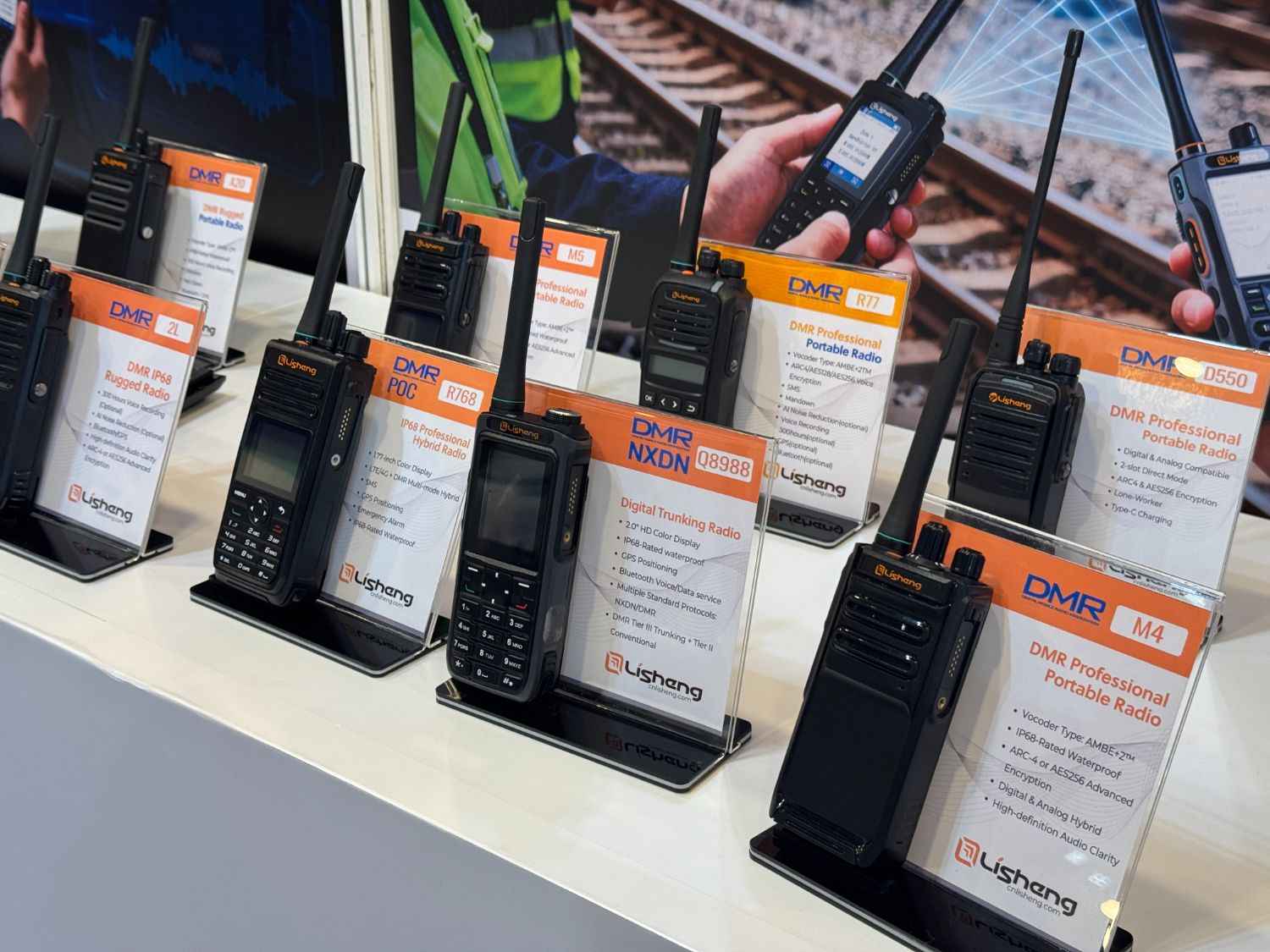
One of the key drivers behind the enhanced reliability and efficiency of digital trunking systems is their use of advanced error correction and signal processing techniques. Unlike older analog systems that were prone to noise and interference, digital trunking employs sophisticated algorithms to ensure data integrity even in challenging environments. This means that critical communications remain clear and uninterrupted, which is essential in emergency services and public safety operations where every second counts. The ability to filter out background noise and maintain signal strength across various conditions significantly reduces the risk of communication failures.
Another component that stands out is the dynamic resource allocation and spectrum management capabilities built into these systems. Digital trunking technology intelligently assigns channels and bandwidth on-the-fly, optimizing the use of available frequencies to prevent congestion and delays. This adaptability allows multiple users or groups to share the same infrastructure without compromising performance, leading to more efficient use of resources and lower operational costs. For instance, during peak usage times, the system can automatically reallocate capacity to high-priority calls, ensuring that vital messages get through without interruption.
Enhanced interoperability and integration features further contribute to the reliability and efficiency of digital trunking systems. By supporting standardized protocols and interfaces, these systems can seamlessly connect with other communication networks, such as legacy analog devices or modern IP-based systems. This flexibility not only extends the lifespan of existing equipment but also facilitates smoother transitions during upgrades, reducing downtime and maintenance efforts. Ultimately, these components work together to create a resilient communication framework that adapts to evolving needs while maintaining high performance standards.
Real-World Applications: From Public Safety to Corporate Networks
In today's interconnected society, technologies are increasingly applied in diverse settings, from urban safety initiatives to business operations. For instance, public safety agencies leverage advanced surveillance and data analytics to monitor crowded areas, helping prevent incidents and respond swiftly to emergencies. These tools not only enhance community security but also integrate with broader systems for efficient coordination.
On the corporate front, businesses utilize robust network infrastructures to streamline communication, protect sensitive information, and support remote workforces. By implementing secure frameworks, companies can mitigate cyber threats while fostering innovation through seamless data sharing. This adaptability ensures they stay competitive in a fast-paced market, driving growth and operational efficiency.
The synergy between public and private sectors highlights how these applications evolve to meet specific needs, from emergency management to daily corporate tasks. As challenges emerge, continuous improvements in technology enable more resilient and intelligent solutions, demonstrating their vital role in modern environments.
Comparing Digital Trunking with Traditional Radio Systems for Better Performance
Digital trunking systems have revolutionized communication in ways that traditional radio systems simply can't match, offering a leap in performance that's hard to ignore. While analog radios served us well for decades, they often struggle with clarity in noisy environments or over long distances. In contrast, digital trunking uses advanced encoding to transmit voice as data packets, resulting in crystal-clear audio that cuts through interference like static or background chatter. This isn't just a minor upgrade—it's a fundamental shift that makes conversations more reliable, whether you're coordinating emergency responses in a bustling city or managing operations on a sprawling industrial site.
Beyond audio quality, digital trunking systems excel in efficiency and scalability, which are crucial for modern organizations. Traditional systems typically allocate one frequency per channel, meaning users might wait idly if all channels are busy, leading to frustrating delays. Digital trunking, however, employs dynamic channel allocation, sharing frequencies among multiple users seamlessly. Think of it as a smart traffic controller for radio waves: it optimizes bandwidth in real-time, allowing more people to communicate simultaneously without bottlenecks. This efficiency translates to faster response times and better resource utilization, making it ideal for growing teams or high-demand scenarios where every second counts.
Moreover, digital trunking opens up a world of enhanced features that traditional radios lack, giving users tools for superior performance. For instance, integrated GPS tracking can pinpoint user locations instantly, improving safety and coordination in field operations. Encryption options ensure sensitive conversations stay private, a must-have for security-sensitive industries. Additionally, these systems often support data transmission alongside voice, enabling text messages or file sharing without switching devices. It’s like having a multifunctional communication hub in your pocket—flexible, secure, and tailored to today's fast-paced needs, setting a new standard that outdated analog setups can't hope to achieve.
Implementing Digital Trunking: Steps to Upgrade Your Communication Infrastructure
Transitioning to digital trunking can revolutionize your communication systems, but it requires careful planning. Start by evaluating your current infrastructure—consider factors like radio coverage, user capacity, and interoperability with existing devices. This initial assessment helps identify gaps and set a clear roadmap for the upgrade, ensuring you don't overspend or underdeliver on critical features.
Next, select a digital trunking solution that aligns with your operational needs, such as P25 or DMR standards, which offer enhanced encryption and data-sharing capabilities. Work with vendors to design a phased implementation, possibly rolling out in high-priority areas first to minimize disruption. Training your team on the new system is crucial; it fosters adoption and maximizes the benefits of features like GPS tracking and group communication.
After deployment, continuously monitor performance through regular testing and user feedback loops. Digital trunking isn't a set-it-and-forget-it solution—updates in technology or organizational needs may require adjustments. By following these steps, you'll not only boost efficiency but also future-proof your communications against evolving demands.
Future Trends and Innovations in Digital Trunking Technology
The landscape of digital trunking technology is rapidly evolving, driven by the relentless demand for more efficient and secure communication systems. One of the most exciting trends on the horizon is the increasing integration of artificial intelligence (AI) and machine learning, which promises to transform how networks manage resources and respond to emergencies. Imagine systems that can predict traffic congestion within radio channels based on historical data, automatically allocating bandwidth where it's needed most during critical incidents like natural disasters or large public events. This isn't just about automation; it's about creating smarter networks that learn and adapt over time, reducing human intervention and boosting overall reliability. As AI algorithms become more sophisticated, we can expect them to handle everything from predictive maintenance of infrastructure to real-time anomaly detection, making digital trunking not just a tool for communication but a proactive partner in operational efficiency. This shift could fundamentally change how organizations—from public safety agencies to industrial operators—approach their communication strategies, moving from reactive to predictive models. It's a future where technology anticipates needs before they arise, setting a new standard for responsiveness and resilience.
Another groundbreaking innovation set to reshape digital trunking is the advent of 5G and beyond, which offers unprecedented data speeds, lower latency, and massive connectivity. Unlike previous generations, these advanced networks enable seamless integration with Internet of Things (IoT) devices, allowing for a truly interconnected ecosystem. Picture a smart city where every sensor, vehicle, and wearable device communicates flawlessly over a digital trunking system, sharing real-time data on everything from traffic flows to environmental conditions. This leap in capability opens doors to applications we're only beginning to explore, such as augmented reality (AR) interfaces for first responders or automated drone fleets coordinating rescue missions. The low latency ensures that critical voice and data transmissions happen almost instantaneously, a game-changer for time-sensitive operations like emergency medical services or tactical military communications. As 5G infrastructure expands globally, digital trunking platforms are poised to leverage these enhancements, offering richer multimedia services and more robust support for data-heavy tasks without compromising on the core reliability that defines trunking systems. It's a synergy that could blur the lines between traditional radio networks and broadband services, creating hybrid solutions tailored to modern needs.
Looking further ahead, the push toward enhanced security and interoperability stands out as a key driver of innovation in digital trunking. With cyber threats growing more sophisticated, future systems are likely to incorporate advanced encryption protocols and blockchain-inspired technologies to safeguard sensitive communications. This isn't just about keeping data private; it's about ensuring the integrity of entire networks, from end-to-end encryption that prevents eavesdropping to decentralized architectures that resist single points of failure. At the same time, there's a growing emphasis on cross-platform compatibility, enabling different agencies and organizations to communicate seamlessly during joint operations. Innovations in software-defined networking (SDN) and open standards could lead to more flexible, vendor-agnostic solutions, reducing reliance on proprietary systems and fostering greater collaboration. Imagine a scenario where fire departments, police units, and healthcare teams from various jurisdictions can effortlessly share information over a unified digital trunking framework, overcoming the silos that have long hindered effective response. By prioritizing both security and interoperability, the next wave of digital trunking technology won't just improve performance—it'll build trust and cooperation on a scale we've never seen before, paving the way for more resilient communities worldwide.
FAQ
Digital trunking systems are advanced wireless communication platforms that use digital technology to manage multiple users and channels efficiently, enabling faster, clearer, and more secure interactions in fields like public safety and business operations.
Unlike traditional two-way radios that rely on analog signals and fixed channels, digital trunking systems use smart algorithms to dynamically allocate resources, reducing interference and allowing for more simultaneous conversations with enhanced features like GPS and data transmission.
Organizations benefit from improved coverage, better audio quality, encrypted communications for security, scalability to grow with needs, and cost savings through optimized spectrum use and reduced hardware requirements over time.
They are widely used in public safety sectors like police and fire departments, as well as in transportation, utilities, manufacturing, and event management, where reliable and coordinated team communication is critical.
Challenges include initial setup costs, the need for staff training on new equipment, potential compatibility issues with legacy systems, and ensuring seamless integration without disrupting daily operations during the switchover.
By providing instant, group-wide communication with priority channels for urgent messages, real-time location tracking, and robust networks that work in harsh conditions, these systems help responders coordinate more effectively during crises.
Emerging trends include the integration of artificial intelligence for predictive analytics, expanded use of IoT devices for automated data sharing, and the adoption of 5G networks to boost speed and capacity for next-gen applications.
Yes, small businesses can benefit too, as scalable and modular options allow them to start with basic features at lower costs, improving team coordination and efficiency in logistics, retail, or service industries without a major investment.
Conclusion
Digital trunking systems are fundamentally reshaping modern communication by integrating advanced technologies that enhance reliability and efficiency. This guide explores how these systems transform emergency response and everyday connectivity, moving beyond traditional limitations to provide seamless, secure communications. By leveraging key components like digital signal processing and intelligent network management, they ensure robust performance even in challenging environments. Real-world applications span from public safety networks that coordinate first responders during crises to corporate infrastructures that streamline operations, demonstrating their versatility across sectors.
Compared to traditional radio systems, digital trunking offers superior performance through features like better spectrum utilization, enhanced voice clarity, and data integration capabilities. Implementing an upgrade involves strategic steps such as assessing current infrastructure, selecting compatible hardware and software, and training personnel to maximize benefits. Looking ahead, future trends and innovations—including AI-driven optimization, IoT connectivity, and 5G integration—promise to further revolutionize this technology, making communication more adaptive and future-proof. This evolution positions digital trunking as a cornerstone for modern, interconnected societies, driving progress in both critical and commercial domains.
Contact Us
Contact Person: andrea
Email: [email protected]
Tel/WhatsApp: (+86)13960400802
Website: https://www.lishengradio.com/