

How to Select a Reliable Pressure Vessel Manufacturer for Your Industrial Needs
2026-06-04
Choosing the right pressure vessel manufacturer can mean the difference between seamless operations and costly downtime. In critical industries, reliability isn't just a preference—it's a requirement. With so many suppliers claiming excellence, how do you identify a partner that truly delivers on quality, safety, and long-term value? At DYE, we believe transparency and proven expertise should guide your decision. In this post, we'll walk you through the key factors that separate dependable manufacturers from the rest, helping you safeguard your industrial processes with confidence.
Look Past the Paperwork to Spot Genuine Compliance
It’s easy to be seduced by a flawless audit trail—engineering controls listed, training rosters signed, every policy neatly dated. But paper is patient. It can mask a workplace where shortcuts have become invisible habits, or where fear silences the exact feedback that keeps people safe. If you only review binders and databases, you’ll miss the quiet drift between what’s written and what’s actually done.
Step away from the desk and walk the floor without an entourage. Watch the rhythm of the work: do permissions precede task performance, does personal protective equipment stay on in the heat of a breakdown, are near-misses getting shared or shrugged off? Ask open-ended questions that don’t invite scripted answers—“What makes this job harder than it needs to be?” often reveals far more than any checklist. When people trust you’re listening, they’ll point to the gaps that paperwork was designed to close.
Genuine compliance isn’t a trophy you frame after a clean audit; it’s a living, sweaty practice that shows up on the night shift, in the satellite office, and during the unexpected hiccup. The most telling indicator isn’t the binder’s thickness—it’s whether the newest hire instinctively holds a rail on the stairs because that’s just how things are done here. That kind of evidence never makes it into the paperwork, but it’s the truest sign you’re looking for.
Engineers Who Understand Your Process, Not Just Pressure Math
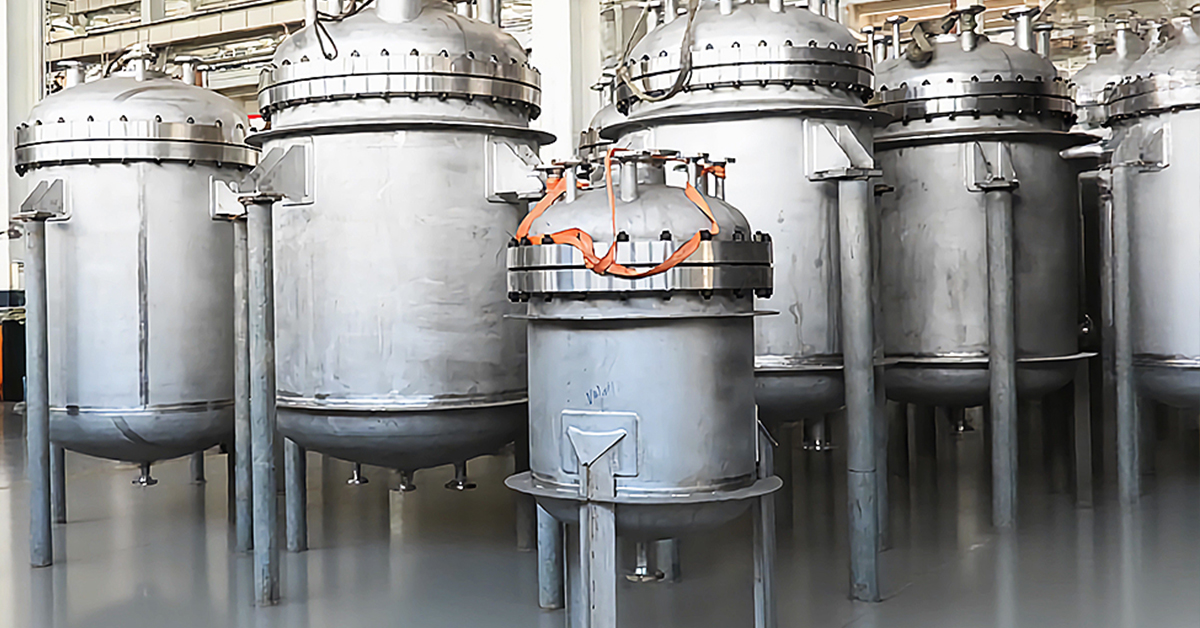
We don't send generic engineers who only know how to crunch numbers. Our team takes time to learn how your system actually operates—its quirks, its limits, and the real-world conditions it faces. That means the solutions we propose aren't just mathematically sound; they're practical, tailored, and built to work seamlessly with your existing processes.
When you work with us, you get someone who asks about your maintenance schedules, your operator feedback, and the subtle signs that something is off before a gauge even moves. This on-the-ground insight means we catch potential failures early and design pressure systems that anticipate your needs, not just textbook scenarios.
It's the difference between a detached consultant and a true partner—one who realizes that a pressure vessel doesn't exist on paper; it lives in a loud, messy, and beautifully complex industrial world. And that's the world we thrive in.
Tour the Floor: Why Equipment and Layout Reveal Everything
A walk through any operational floor is like reading a company’s hidden diary. The arrangement of machinery, the wear on workstations, even the spacing between aisles — these details speak louder than any mission statement. You can tell if safety is genuinely prioritized by how emergency shut-offs are placed, not by the posters on the wall. Equipment condition reveals whether maintenance is proactive or simply reactive, a telltale sign of long-term thinking or short-term cost-cutting.
Layout often exposes the unspoken hierarchy of a team. When managers’ offices have clear sightlines to the production line, communication tends to be immediate and casual. But if engineers are tucked behind closed doors, problems get filtered through layers before they reach the people who can fix them. The flow of materials — or lack thereof — hints at deeper workflow bottlenecks that no software dashboard can capture.
In the end, the physical space is a mirror of decision-making. Every piece of equipment, from a well-calibrated CNC machine to a clutter of outdated tools, represents a choice made or delayed. Touring the floor strips away the polished presentations and reveals whether the operation runs on efficiency or on borrowed time.
Quality Control That Catches What Others Overlook
While most factories rely on checklists and pass/fail gauges, catching what truly matters demands a more observant eye. The faintest discoloration on a solder joint, a whisper of uneven texture in a molded part, or a surface finish that simply doesn't feel right—these are the signals that standard inspections often miss. It’s not about spotting the obvious defects, but about noticing the subtle tells that hint at a deeper flaw, long before it becomes a costly failure.
Each product undergoes a silent interview during inspection. Hands move over surfaces, not just measuring but sensing. When something deviates from the expected rhythm of production, the line stops—not out of panic, but out of respect for consistency. A single seam checked under oblique light can reveal stress patterns invisible to an automated scanner. Then come the hard questions: Was the material batch slightly off? Did humidity shift during assembly? The goal isn’t to fill out a report; it’s to understand the why, fix the root, and ensure the next unit tells a cleaner story.
This approach turns quality control into a preemptive art. Instead of filtering out junk at the end of the line, it weaves reliability into every stage. The real proof shows up months later—in the field, where products quietly perform without drama. No rush jobs, no “good enough” stamps, just a quiet assurance that what leaves the dock won’t come back with a story you’d rather not hear.
After the Ink Dries: The Support You Deserve
The moment after signing a contract or agreement, the real journey begins. It's not just about the ink drying; it's about the uncertainty that follows. We provide ongoing support to navigate post-signature challenges.
From clarifying terms to handling unexpected obstacles, our team remains by your side. We believe that the agreement is just the start of a partnership, not the end.
Whether you need reassurance or practical solutions, we're here to ensure that the promises made translate into lasting results.
Real Projects, Real Results: What Past Clients Won’t Say on a Certificate
Certificates and testimonials can only tell you so much. They might confirm that a project was completed, but they seldom reveal the grit behind the numbers. What they won’t show you are the late nights where we reworked an entire marketing funnel because the data told us a different story. It’s the quiet pivot that prevented a launch from crumbling, or the under-the-radar optimization that lifted retention by double digits—moments that rarely make it into a formal recommendation.
Behind every polished portfolio piece is a partner who had to think on their feet. I’ve had clients whose biggest win wasn’t the final deliverable, but the way we untangled a supply chain knot that would have made their holiday season a disaster. Or the client who breathed a sigh of relief when our offhand suggestion about their onboarding flow turned their biggest churn point into a growth lever. These aren’t heroics you stick on a website; they’re the real work that happens when everything’s on the line.
What never gets framed is the trust built in the trenches. The frantic call an hour before a board meeting because the numbers didn’t add up—and we found the error in minutes, not days. The honest conversation where we advised against a feature they were in love with, and later they admitted it saved them from a six-figure mistake. Real results aren’t just deliverables; they’re the invisible threads that hold a partnership together long after the contract ends.
FAQ
Focus on whether they hold ASME U or U2 stamps, plus any relevant NBIC registration. These are more than just badges—they show the shop has passed rigorous audits and follows a code that governs design, materials, and fabrication. If your vessel needs to meet specific EU or API standards, confirm they have those, too.
It's critical. A shop that has built vessels for the chemical, petrochemical, or power generation sectors understands the subtle demands of each—like corrosion allowances or cyclic loading. General fabrication experience isn't enough; you need someone who knows your operating conditions.
Absolutely, and they can often offer more flexibility and personal attention. What matters is their quality system, not their square footage. Many boutique shops produce exceptional vessels for niche applications. Just dig into their project history and client references.
It's a cornerstone of safety. You need full traceability from the mill to the finished vessel—heat numbers, test reports, and certifications ensure the steel matches your specification. Without it, you're guessing about what's really holding pressure.
Ask to see their in-house engineering team and software. A strong manufacturer will have licensed engineers who can perform FEA, fatigue analysis, and code calculations. If they just rely on pre-approved drawings or outside consultants, you might miss optimization opportunities.
Vessels need maintenance, repairs, and sometimes modifications over a lifespan of decades. A supplier that disappears after delivery leaves you stranded. Look for a manufacturer that offers field service, spare parts, and engineering support long after the purchase.
Go beyond generic answers. Ask about their NDE procedures, welder qualification records, and how they handle non-conformances. You want to hear about a culture that stops work if something is off, not just a checklist mentality.
Request a project timeline from a recent, similar job and check how closely they stuck to it. Speak to their past clients about communication and problem-solving during the build. A reliable manufacturer will own up to past challenges and explain how they've improved.
Conclusion
Finding a pressure vessel manufacturer that truly meets industrial demands requires peeling back layers of polished sales pitches. Certifications and paperwork might check boxes, but they rarely tell the full story. You want a partner whose compliance runs deep—one where safety isn't just a document but a mindset embedded in every weld. Equally critical is the engineering team behind the design. The best aren't just number crunchers; they take time to understand your specific process, from chemical reactions to thermal cycling, so the vessel integrates seamlessly rather than just holding pressure within spec. When you visit their floor, pay attention to more than the shiny machines. The layout, material flow, and how teams handle unexpected challenges on the shop floor speak volumes about their real capabilities. A cramped or disorganized facility often mirrors rushed outputs and corner-cutting that no certificate can cover.
Quality control is another dimension where many manufacturers fall short, missing the subtle defects that standard checklists ignore. Reliable shops invest in advanced inspection techniques and foster a culture where catching a flaw before it leaves the bay is celebrated, not punished. But your relationship shouldn't end once the vessel ships. After the ink dries, genuine support means having a team that answers calls promptly, offers on-site troubleshooting, and keeps your maintenance cycles in mind from day one. Finally, look beyond the polished case studies. Talk to past clients off the record—they'll share unvarnished truths about missed deadlines, how the manufacturer handled hiccups, and whether the vessel truly stood the test of time in actual operating conditions. These real-world insights, combined with a thorough evaluation of engineering depth, shop floor reality, and post-delivery commitment, form the backbone of a choice that protects both your process and your reputation.
Contact Us
Contact Person: Ada Xu
Email: [email protected]
Tel/WhatsApp: 0577-86806088
Website: https://www.dayuwz.com/