

Inconel Alloys Supplier: High-Temperature Solutions for Demanding Industrial Applications
2026-01-21
In the demanding world of industrial applications, where high temperatures and corrosive environments are the norm, finding materials that can withstand extreme conditions is a constant challenge. For decades, Inconel alloys have stood as the gold standard, offering unparalleled performance in aerospace, energy, and chemical processing sectors. But with so many suppliers in the market, choosing the right partner to deliver these high-temperature solutions can be daunting. At Jiangsu Baowu New Materials, we're not just another supplier—we're innovators dedicated to pushing the boundaries of material science. In this blog, we'll explore how our tailored Inconel solutions are transforming industries and why relying on a trusted name like ours can make all the difference in your next project. Get ready to discover the future of high-performance alloys.
Exploring the Unmatched Properties of Inconel Alloys for Extreme Environments
Inconel alloys exhibit extraordinary performance in extreme environments due to their unique composition and tailored microstructures. These nickel-chromium-based superalloys maintain exceptional strength and corrosion resistance at temperatures where many metals fail, making them indispensable in aerospace, power generation, and chemical processing. Their ability to withstand high-stress conditions, such as those found in jet engines and deep-sea applications, stems from precise alloying with elements like molybdenum and niobium, which enhance stability under thermal and mechanical loads. This versatility ensures reliability where durability is non-negotiable.
What sets Inconel apart is its resilience against oxidation and carburization, even in aggressive atmospheres containing sulfur or chlorine. In applications like industrial furnaces or exhaust systems, these alloys prevent degradation that could compromise safety and efficiency. Their low thermal expansion coefficient minimizes stress during temperature fluctuations, reducing the risk of cracking or deformation. This combination of properties allows for longer component lifespans and reduced maintenance costs, providing a tangible advantage in sectors prioritizing operational uptime and safety.
Innovations in Inconel alloys continue to push boundaries, with newer grades offering improved weldability and fabricability without sacrificing performance. This adaptability enables more complex designs in challenging environments, from nuclear reactors to oil and gas extraction. By leveraging advanced manufacturing techniques, engineers can customize these alloys to meet specific demands, ensuring they remain at the forefront of materials science for extreme conditions. The ongoing evolution of Inconel underscores its critical role in advancing technologies that require uncompromising material integrity.
Key Industrial Sectors Benefiting from Inconel Alloy Applications
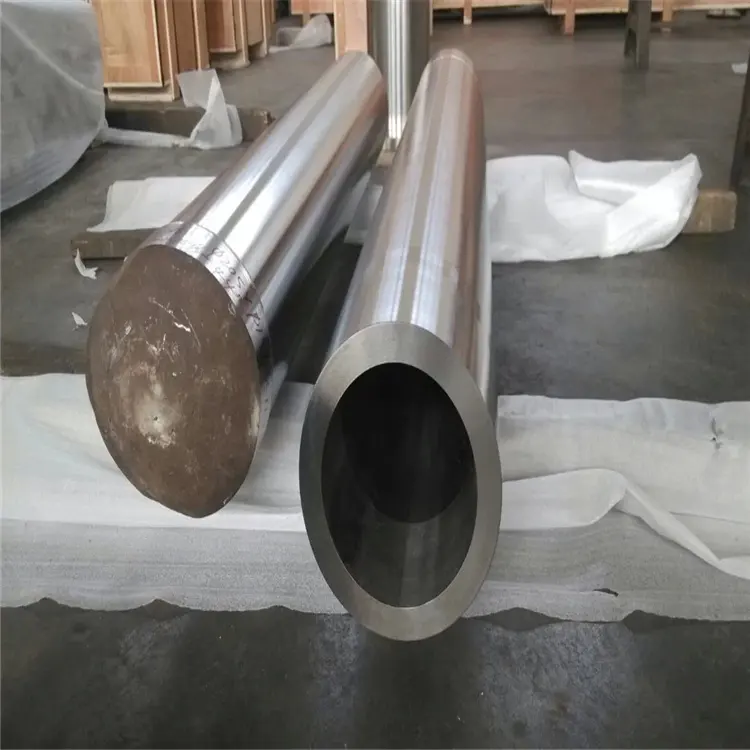
In the aerospace industry, Inconel alloys are a game-changer, offering unparalleled resistance to oxidation and high-temperature creep. These superalloys are essential in jet engines, where they withstand extreme conditions—think of turbine blades spinning at blistering speeds and exhaust components exposed to scorching heat. Their durability not only boosts engine efficiency but also slashes maintenance needs, a critical factor for both commercial flights and military missions. Without Inconel, modern aviation might be stuck with heavier, less reliable materials that can't keep up with today's demanding performance standards.
Oil and gas extraction heavily relies on Inconel alloys to tackle harsh environments, particularly in deep-sea drilling and sour gas wells. These alloys excel in resisting corrosion from acidic fluids, high pressures, and elevated temperatures, preventing costly equipment failures. For instance, downhole tools and valves made from Inconel endure tough conditions that would quickly degrade ordinary metals. This resilience translates to longer service life and reduced downtime, helping companies navigate the complexities of offshore and unconventional resources safely and economically.
In the chemical processing sector, Inconel alloys are prized for their ability to handle aggressive substances without breaking down. They're used in reactors, heat exchangers, and piping systems that come into contact with corrosive acids and alkalis. By maintaining integrity under chemical attack, these alloys ensure safer operations and minimize leaks or contamination risks. This makes them indispensable for producing everything from pharmaceuticals to fertilizers, where purity and reliability can't be compromised. For engineers, it's like having a trusted shield in the line of fire, keeping processes running smoothly even in the most caustic settings.
Advanced Manufacturing Techniques Behind Inconel Alloy Production
The production of Inconel alloys involves sophisticated manufacturing techniques that are crucial for achieving the exceptional properties these materials are known for, such as high-temperature resistance and corrosion stability. One key aspect is the precise control of alloy composition through vacuum induction melting (VIM), which ensures minimal impurities and uniform distribution of elements like nickel, chromium, and molybdenum. This process, often followed by electro-slag remelting (ESR), allows for refining the microstructure, reducing defects, and enhancing mechanical performance under extreme conditions. By tailoring these melting methods, manufacturers can produce alloys suited for demanding applications in aerospace and energy sectors.
Beyond melting, advanced forming and heat treatment processes play a vital role in shaping Inconel alloys into usable components. Techniques such as hot working, including forging and extrusion, are employed to improve ductility and grain structure, while controlled cooling rates prevent undesirable phases from forming. Subsequent heat treatments, like solution annealing and aging, are meticulously designed to optimize strength and creep resistance, ensuring that the final products maintain integrity in harsh environments. These steps highlight the intricate balance between material science and engineering precision required in modern Inconel production.
Innovations in additive manufacturing have further expanded the capabilities of Inconel alloy fabrication, allowing for complex geometries and reduced material waste. Methods like selective laser melting (SLM) enable layer-by-layer construction of parts with tailored properties, often outperforming traditional casting in terms of design flexibility and performance consistency. This evolution in technique not only enhances efficiency but also opens new avenues for customized solutions in industries ranging from automotive to chemical processing, demonstrating the ongoing refinement of manufacturing approaches in the field.
Selecting the Right Inconel Alloy for Your Specific Operational Needs
When faced with extreme environments, choosing the optimal Inconel alloy is more than a simple material selection—it's a strategic decision that can define the success of your project. Each alloy in the Inconel family offers distinct properties, such as resistance to corrosion, high-temperature strength, or oxidation resistance. Understanding the exact conditions your components will endure, whether it's acidic chemical processing, high-pressure steam, or aerospace heat, is the first step toward pinpointing the ideal alloy. This tailored approach ensures not only durability but also cost-effectiveness, avoiding over-engineering while meeting stringent operational demands.
For instance, Inconel 625 excels in applications requiring exceptional weldability and resistance to pitting and crevice corrosion, making it a top choice for marine and chemical industries. On the other hand, Inconel 718 is renowned for its high strength and creep resistance at elevated temperatures, often employed in gas turbines and jet engines. By analyzing factors like temperature ranges, exposure to corrosive agents, and mechanical stress levels, you can narrow down options to a few alloys that align with your specific needs, rather than settling for a one-size-fits-all solution.
Beyond standard specifications, consider lifecycle factors such as maintenance requirements, availability, and environmental impacts. Collaborating with materials experts or suppliers can provide insights into real-world performance data, helping you avoid common pitfalls like premature failure or unnecessary expenses. Ultimately, the right Inconel alloy enhances reliability and longevity, contributing to safer and more efficient operations across diverse sectors from energy generation to medical devices.
Real-World Case Studies Showcasing Inconel Alloy Performance
In the harsh environments of aerospace, Inconel alloys have proven their mettle through numerous case studies. For instance, in the design of jet engine components, such as turbine blades and exhaust systems, these alloys withstand extreme temperatures and corrosive gases. A notable example is their use in commercial aircraft engines, where they enable longer service life and reduced maintenance, directly enhancing operational efficiency and safety. This real-world application underscores how Inconel's resilience translates into tangible benefits in high-stakes industries.
Moving to the energy sector, Inconel alloys play a crucial role in oil and gas exploration. In offshore drilling rigs, they are employed in components like downhole tools and heat exchangers, where they resist corrosive seawater and high-pressure conditions. Case studies from North Sea operations reveal that Inconel-equipped equipment experiences fewer failures, leading to reduced downtime and significant cost savings. This highlights the alloy's adaptability to diverse, demanding environments beyond aerospace.
In chemical processing plants, Inconel alloys demonstrate their versatility in handling aggressive substances. A study from a petrochemical facility showed that using Inconel for reactor vessels and piping systems minimized corrosion and contamination risks, ensuring product purity and plant longevity. These insights emphasize how real-world implementations provide concrete evidence of Inconel's superior performance, making it a trusted choice across various critical applications.
Partnering with a Leading Inconel Supplier for Long-Term Reliability
Choosing a reliable Inconel supplier is crucial for industries demanding extreme durability, like aerospace and energy sectors. A trusted partner ensures consistent material quality, meeting stringent specifications for applications exposed to high temperatures or corrosive environments. This foundation supports long-term operational stability.
Long-term reliability stems from detailed supply chain collaboration, where proactive communication and joint problem-solving minimize disruptions. Inconel's complex alloy compositions require precise manufacturing controls, which a leading supplier maintains through advanced testing and continuous improvement, reducing downtime risks in critical systems.
By fostering a strategic partnership, companies gain access to tailored solutions, such as custom alloy grades or rapid prototyping, enhancing project flexibility. This approach builds resilience against market fluctuations and ensures material availability, contributing to sustained performance over decades of use.
FAQ
Industries such as aerospace, power generation, chemical processing, and oil & gas heavily depend on Inconel alloys due to their exceptional resistance to heat, corrosion, and mechanical stress in extreme environments.
Inconel alloys outperform many alternatives by maintaining structural integrity and resisting oxidation, pitting, and cracking even in highly acidic or alkaline conditions, making them ideal for long-term use in harsh settings.
Grades like Inconel 718 and Inconel 625 excel in such extreme temperatures, offering superior creep resistance and strength retention, which is crucial for components in turbine engines and industrial furnaces.
Yes, suppliers often provide tailored solutions through alloy modifications, precision machining, and specialized heat treatments to meet specific requirements like enhanced weldability or targeted corrosion resistance.
Key considerations include the supplier's certification (e.g., AS9100 for aerospace), material traceability, testing capabilities, and experience with high-demand applications to ensure reliability and compliance.
Innovations like improved alloy compositions and manufacturing techniques lead to longer component lifespans, reduced maintenance downtime, and better energy efficiency, ultimately lowering operational costs.
Machining Inconel can be difficult due to its hardness and work-hardening properties; suppliers mitigate this by using specialized tooling, controlled cooling methods, and expert craftsmanship to achieve precise tolerances.
Rigorous testing, including non-destructive evaluation and mechanical property checks, ensures the alloys meet stringent standards for safety and performance, preventing failures in high-stakes environments like nuclear reactors or jet engines.
Conclusion
Inconel alloys represent a pinnacle of material science, offering exceptional high-temperature performance crucial for demanding industrial applications. By exploring their unmatched properties, including oxidation resistance and mechanical strength under extreme conditions, these alloys prove indispensable in sectors like aerospace, chemical processing, and power generation. This reliability stems from advanced manufacturing techniques, such as precision melting and forging, which ensure consistent quality and durability. For industries seeking tailored solutions, selecting the right Inconel alloy involves evaluating factors like specific operational stresses and environmental exposures, highlighting the importance of expert guidance in material selection.
Real-world case studies vividly demonstrate Inconel's superior performance in challenging scenarios, from turbine engines to corrosive environments, reinforcing its value as a high-temperature solution. Partnering with a leading Inconel supplier enhances this advantage, providing access to technical expertise, custom product development, and long-term reliability that ensures optimal performance and cost-effectiveness. This collaborative approach not only meets immediate needs but also supports innovation and sustainability in demanding applications, making Inconel alloys a cornerstone of modern industrial progress.
Contact Us
Contact Person: Zoe Liang
Email: [email protected]
Tel/WhatsApp: 86 189 2128 6299
Website: https://www.baowuchina.com