
Laser Inflammation Relief: How to Choose the Right Treatment for You
2026-08-01
Inflammation can be a persistent and painful reminder that your body needs care. Laser therapy has emerged as a go-to solution, but with so many options out there, finding the right treatment can feel overwhelming. Whether you're dealing with chronic pain or acute swelling, understanding the technology behind these devices is crucial. That's where GUANG TAI steps in—offering advanced, reliable tools to help you make an informed choice. Let's cut through the noise and explore how to pinpoint the perfect laser inflammation relief for your unique situation.
What Laser Therapy Actually Does for Inflammation
At a cellular level, laser therapy works by delivering specific wavelengths of light that are absorbed by mitochondria, the power plants inside our cells. This absorption triggers a cascade of reactions that boost the production of adenosine triphosphate (ATP), the molecule that fuels most cellular activities. With more energy available, cells can function more efficiently, repairing damage and restoring balance. For inflamed tissues, this means a reduction in oxidative stress and a shift away from the pro-inflammatory state that causes pain and swelling.
Beyond the energy boost, laser therapy nudges the body’s natural inflammation control systems into a higher gear. It modulates the activity of key immune cells, such as macrophages, steering them from a type that promotes inflammation to one that supports healing. At the same time, it helps to calm down overactive nerve signals that keep the area sensitive. This dual effect not only eases symptoms but tackles the root of the problem, allowing tissues to heal without the buildup of scar tissue that often leads to chronic issues.
Unlike medications that simply mask pain or suppress the immune response broadly, laser therapy offers a localized effect with minimal side effects. By enhancing microcirculation and lymphatic drainage, it helps clear out the waste products of inflammation—think of it as unclogging a traffic jam so fresh nutrients and oxygen can reach the site of injury. Over a series of treatments, this process supports a gradual return to normal function, making it a valuable tool for both acute injuries and lingering conditions like arthritis or tendonitis.
The Different Laser Types You’ll Encounter
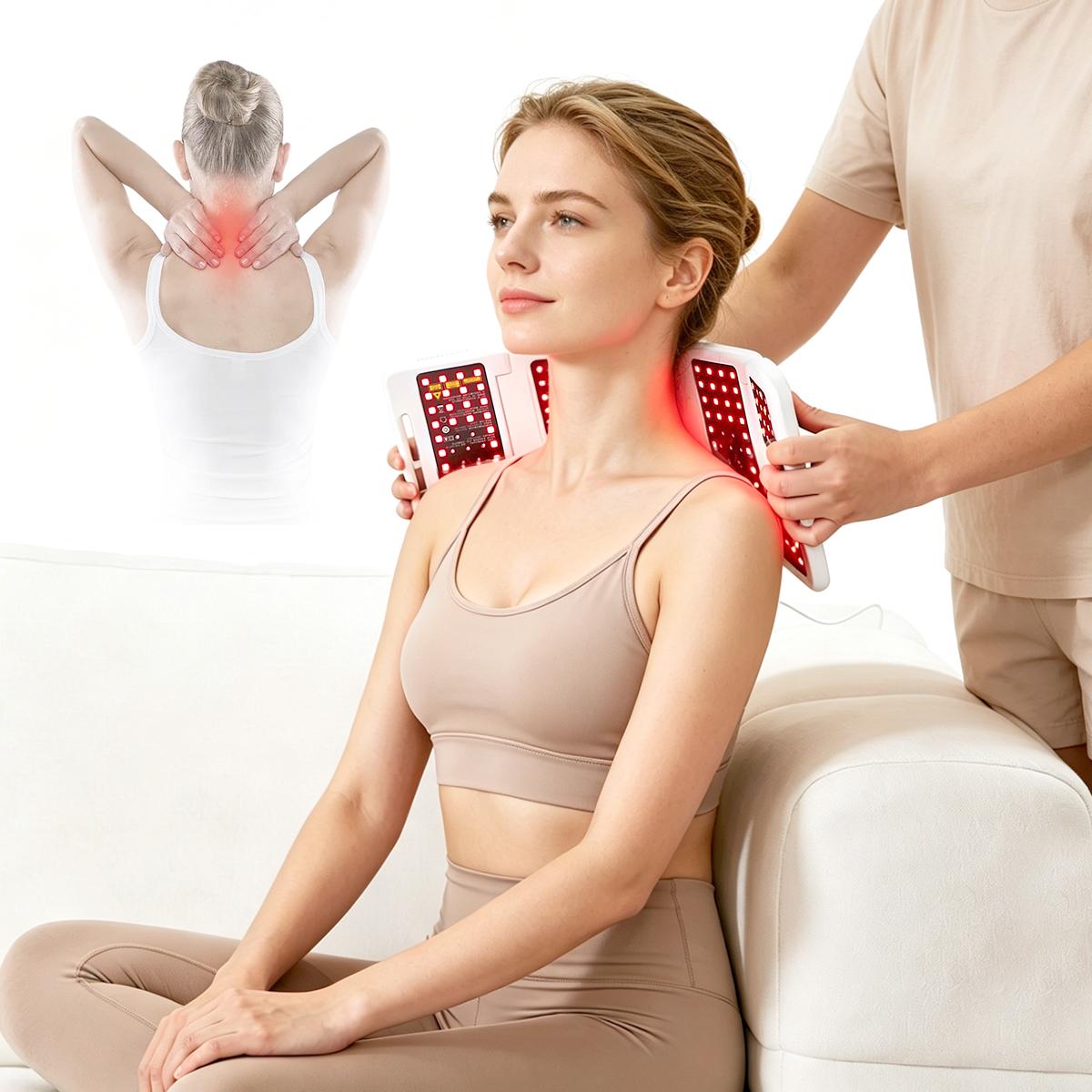
Laser technology isn't just one-size-fits-all. The kind you stumble upon day-to-day varies wildly, from the pinpoint precision of a diode laser to the raw power of a CO2 system. Solid-state lasers, often seen in medical devices and manufacturing, use crystals like Nd:YAG to produce intense, focused beams. Meanwhile, gas lasers—think helium-neon—have been classroom staples for decades, recognizable by that faint red dot you might remember from lecture halls.
Fiber lasers have quietly revolutionized heavy industry, slicing through metal sheets faster and cleaner than ever before. They're efficient, compact, and need barely any maintenance, which is why they've taken over automotive production lines. At the other end of the spectrum, excimer lasers operate in the ultraviolet range, enabling delicate tasks like eye surgery and microchip fabrication without scorching surrounding material.
Then there are the less obvious ones you interact with daily. Every time you scan a barcode or stream a movie on disc, a semiconductor laser is doing the heavy lifting. Even the LIDAR systems in modern cars rely on these tiny yet robust lasers to map the world in real time. Each type has quirks that make it uniquely suited for a job, and knowing a bit about them turns a cryptic term into a tangible tool.
Questions to Ask Before Booking a Session
It's easy to get swept up in a practitioner’s glowing testimonials or serene studio photos, but digging a little deeper can save you from a mismatch. Start by asking how they tailor their approach to individual needs—if they give a generic answer, that’s a red flag. You want someone who sees you as more than just another appointment slot. Also, don't shy away from inquiring about their training and what they do to stay current; a passionate professional will eagerly share their ongoing learning journey without making you feel like you’re interrogating them.
Another often-overlooked area is the nitty-gritty logistics that shape your actual experience. Ask pointed questions about what happens if you need to reschedule, how they handle late arrivals, and what the cancellation terms really mean in practice—not just the formal policy. If they get cagey or overly rigid, trust your gut. It’s also fair game to request a brief chat beforehand to gauge the vibe; anyone worth their salt will happily spend ten minutes on the phone to ensure you both feel comfortable, rather than pressuring you to book on the spot.
Finally, get curious about their philosophy and boundaries. Instead of just asking “what results can I expect?” which often leads to vague promises, try something like “How do you define progress, and how do you handle it when things feel stuck?” Their response reveals a lot about their realism and integrity. And don’t forget to ask what they need from you—the best sessions are a two-way street, and a skilled provider will clearly outline your role without sounding like they’re reading from a script. This transforms the conversation from a transaction into the start of genuine collaboration.
Matching Laser Treatments to Specific Conditions
Not all lasers are created equal, and the key to effective treatment lies in selecting the right wavelength and pulse duration for the skin issue at hand. Ablative lasers like CO2 and erbium are typically reserved for deeper scarring and pronounced wrinkles, as they remove the outer layers of skin and stimulate collagen remodeling beneath. Meanwhile, non-ablative options such as fractional lasers and intense pulsed light (IPL) tackle pigmentation irregularities, fine lines, and mild redness without the extended downtime. The choice between them often hinges on the patient's tolerance for recovery and the depth of the concern being addressed.
Vascular conditions like rosacea, spider veins, or port-wine stains respond best to lasers that target hemoglobin—the protein in red blood cells. Pulsed dye lasers (PDL) and potassium titanyl phosphate (KTP) lasers are purpose-built for these issues, delivering energy that selectively heats and collapses the unwanted vessels while sparing surrounding tissue. For patients with darker skin tones, longer wavelengths such as Nd:YAG are often preferred because they bypass melanin in the epidermis, reducing the risk of post-inflammatory hyperpigmentation. This nuance highlights why a one-size-fits-all approach rarely succeeds; the patient's skin type must guide the laser selection as much as the diagnosis itself.
Even within a single category of lasers, settings like spot size, fluence, and cooling methods can be fine-tuned to match the condition’s severity and location. For instance, treating acne scars on the cheeks may require a different combination of energy and density than smoothing forehead lines. A practitioner's ability to read the skin's unique characteristics—its texture, oiliness, and healing response—ultimately determines outcomes. Rather than relying on a single device, experienced clinicians often combine modalities within a session or across appointments, layering technologies to address multiple facets of a complex concern such as photoaging or stubborn melasma.
What Happens During a Session and Afterward
In the quiet of the room, the first few minutes feel like an unspoken agreement. You settle into a chair or lie down if that’s the setup, and the practitioner might start with a few gentle questions—nothing too intense, just grounding you in the present moment. Then, depending on the method, the real work begins. It could be the subtle pressure of needles if it’s acupuncture, the rhythmic strokes of a massage, or the guided breathing of a meditation session. Your body often reacts before your mind catches up: a sudden warmth, a twitch, a sigh you didn’t plan. That’s normal. The session isn’t a performance; it’s more like a dialogue between your body and the practitioner’s touch or guidance.
When it’s over, the transition back to the outside world is just as important. You might feel a little disoriented at first—gently drunk on relaxation, or surprisingly energized. Some people cry unexpectedly; others laugh. Whatever surfaces, let it. The practitioner usually offers a glass of water and a few minutes of silent aftercare, not rushing you out the door. You might notice small shifts right away: a knot in your shoulder has softened, your breathing is deeper, or a fog has lifted. Other changes creep in over the next day or two—better sleep, a calmer reaction to stress, a persistent ache that’s suddenly quieter. It’s not magic, just your body regrouping after having its signals reset.
Finding a Practitioner You Can Trust
Entrusting your well-being to someone’s hands is deeply personal—so how do you cut through polished profiles and find a practitioner who genuinely aligns with your needs? Beyond checking credentials, it’s about observing how they listen, how they explain their approach, and whether they make space for your questions without rushing. A trusting relationship often blooms where curiosity is welcomed, not shut down.
It’s easy to lean solely on testimonials, but remember those are curated snapshots. Instead, pay attention to the small signals: does the practitioner ask about your story before laying out a plan? Do they acknowledge what they don’t know? Trust isn’t built on perfection—it’s solidified in moments of transparency and shared decision-making.
Sometimes the best lead comes from a conversation over coffee rather than a click. Ask friends or local community groups for names that surface repeatedly, not because they advertise heavily, but because they’ve quietly earned a reputation for integrity. In a world of quick fixes, a practitioner worth trusting will often be the one who treats your journey as a collaboration, not a transaction.
FAQ
Laser therapy uses specific wavelengths of light to penetrate tissues and stimulate cellular repair. It boosts circulation, reduces swelling, and helps cells produce more energy, which speeds up the healing of inflamed areas.
It depends on the cause and severity of your inflammation. A healthcare professional can assess whether it’s acute or chronic, and whether you’ve tried other methods without success. Laser is often recommended when you need a non-invasive option that targets the source directly.
Not at all. The key differences lie in the wavelength, power output, and whether it’s a cold laser or a higher-intensity therapeutic laser. Some are designed for surface-level issues, while others penetrate deeper into muscles and joints.
Look for practitioners with proper certifications and experience with your specific condition. Ask about the type of laser they use, treatment protocols, and if they offer a personalized plan rather than a one-size-fits-all approach.
Most people feel little to nothing during a session. You might notice a mild warmth or tingling sensation in the treated area, but it’s generally painless. Many actually find it relaxing.
Some patients notice reduced pain and swelling right after the first session, while others require multiple treatments to see significant change. Chronic conditions may take a few weeks of consistent sessions to respond fully.
Yes, when performed by a trained professional, it’s considered very safe with almost no risk of side effects. There’s no evidence of harm from repeated sessions, and it can be used as part of a long-term management strategy.
Absolutely. It often works well alongside physical therapy, chiropractic care, or medication. Combining treatments can enhance overall recovery and help maintain progress, but always coordinate with your healthcare provider.
Conclusion
Choosing the right laser treatment for inflammation starts with understanding how the technology works on a cellular level. Laser therapy, particularly low-level laser therapy (LLLT), targets mitochondria in inflamed tissues to boost ATP production, reduce oxidative stress, and promote healing—all without heat or tissue damage. The type of laser matters: cold lasers in the visible red and near-infrared spectrum are common for superficial issues, while more advanced pulsed lasers or higher-power devices can reach deeper joints and muscles. Before booking, ask about the practitioner’s credentials, the specific wavelength and dosage they plan to use, and whether they have experience with your condition, as success heavily depends on tailoring the protocol to the individual.
Different inflammatory conditions respond best to different approaches—tendonitis may need biostimulation, while arthritis might require a combination of anti-inflammatory settings and pain modulation. During a session, you’ll typically feel little to no sensation beyond the device resting against your skin, and afterward, some mild soreness can occur as the body starts to repair. Always confirm that a thorough assessment is done first, and look for a practitioner who doesn’t overpromise but can explain the evidence behind their methods. Trust is built on transparency about expected outcomes, number of sessions likely needed, and realistic recovery timelines, ensuring you feel confident in the path ahead.
Contact Us
Contact Person: Leon Yi
Email: [email protected]
Tel/WhatsApp: +86 17363316873
Website: https://zzgt.en.alibaba.com/