

LED Headlight Bulb Wholesale: The Ultimate Guide for Smart Buyers
2026-08-04
Sourcing LED headlight bulbs in bulk shouldn’t feel like a gamble. Yet, too many buyers settle for mismatched quality, hidden costs, or weak supplier support—until their stock gathers dust or floods with returns. Whether you’re scaling a parts store, running an auto shop, or building an online brand, the wholesale choice you make today shapes your reputation tomorrow. That’s where LUXFIGHTER changes the game. In this guide, we skip the sales fluff and get straight to what smart buyers actually need: how to spot durable designs, decode real specs, negotiate without tricks, and partner with a supplier that treats your growth as their own. Let’s turn your next order into a competitive edge.
Decoding the LED Headlight Market: What Smart Buyers Need to Know
The LED headlight market is flooded with options, but not all are created equal. Smart buyers look beyond flashy packaging and inflated lumen claims. Instead, they focus on beam pattern precision, color temperature consistency, and genuine thermal management. A well-designed LED bulb mimics the filament placement of a halogen, ensuring the reflector or projector can do its job properly. Without this, you’re just scattering light everywhere—blinding oncoming traffic and reducing your own visibility down the road.
Another often overlooked factor is the driver quality and its ability to handle voltage fluctuations. Cheap drivers introduce flicker, radio interference, or premature failure. The bulb’s material matters too: aviation-grade aluminum and copper-core boards dissipate heat effectively, preventing rapid lumen depreciation. And while “plug-and-play” sounds easy, in modern vehicles you might still need a CANbus adapter to avoid error codes or pulsing. Checking compatibility charts before buying saves hours of frustration.
Finally, real-world testing trumps spec sheets. Look for communities and independent reviewers who post actual nighttime output shots against a wall and down a dark road. Pay attention to how the cutoff line looks, whether there are dark spots, and how the light transitions from hotspot to spill. A reputable seller won’t hesitate to provide such evidence. Remember, the goal isn’t simply to have brighter lights, but to see farther and more clearly without becoming a hazard—a distinction that defines every intelligent purchase in this space.
How to Spot Quality LED Bulbs Before Placing a Wholesale Order
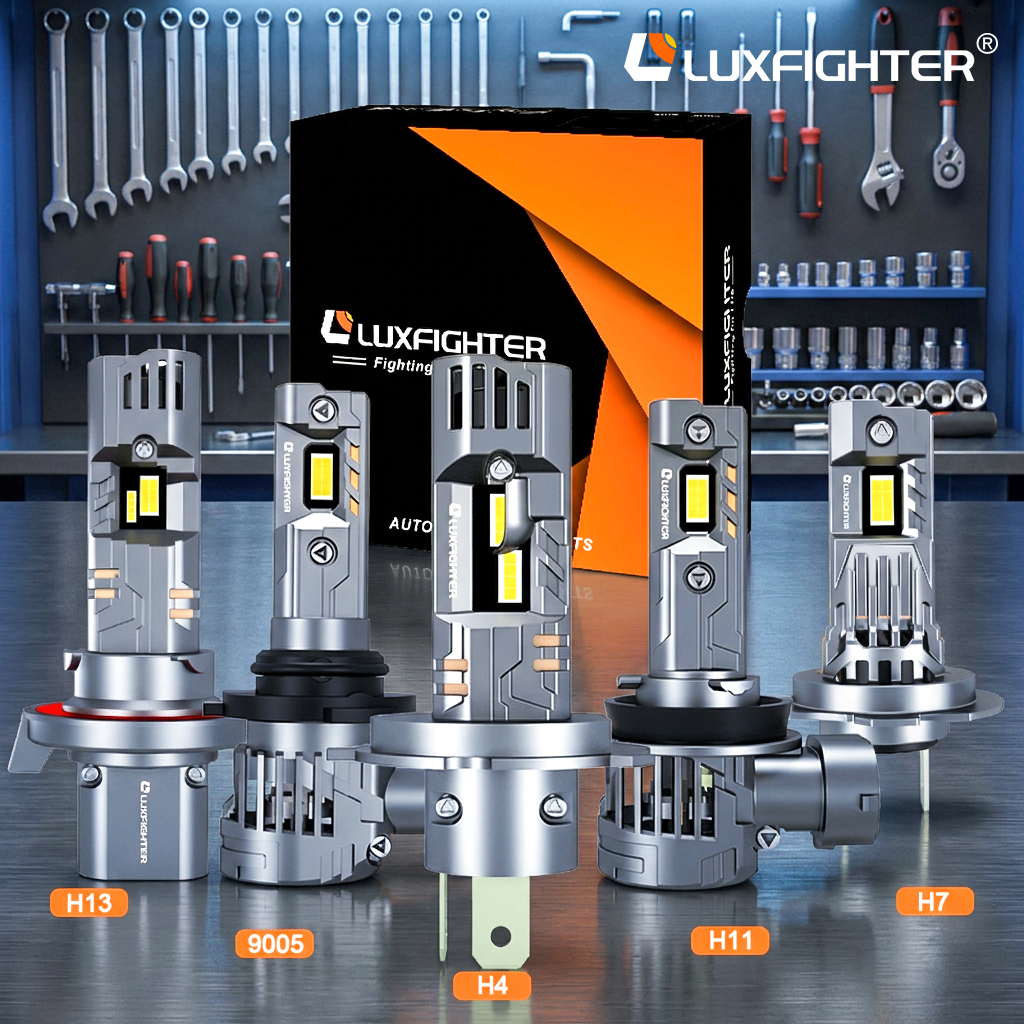
A quick flicker test with your smartphone camera can reveal hidden flaws—inconsistent drivers often cause invisible strobing that leads to eye strain, and a stable beam means the internal circuitry is properly designed. Don’t just trust the specs; hold the bulb at arm’s length and watch for steady, uniform illumination through your screen.
Check the heat sink material—ceramic or thick, fluted aluminum dissipates heat far better than cheap plastic bodies, directly prolonging the lifespan of the LEDs. Lightweight, suspiciously smooth bases often signal cut corners, while a substantial feel usually matches a well-engineered thermal path that keeps components within safe thresholds.
Ask for a batch sample and let it run for at least an hour before measuring brightness and color temperature with a basic meter. Quality units maintain their initial output and tone without drifting, whereas inferior ones can drop in lumens or shift from warm to a sickly greenish hue, especially if the phosphor coating degrades rapidly under heat.
The Hidden Costs of Bulk LED Bulb Purchases (And How to Avoid Them)
When you're looking at a pallet of LED bulbs priced well below retail, it's easy to think you've stumbled onto a no-brainer deal. The upfront savings feel immediate and substantial. But what often gets overlooked is the long-term reliability of those bargain-bin units. Cheaper batches frequently suffer from inconsistent color temperatures, meaning half the bulbs in a room might glow slightly warmer or cooler than the others. Worse, many use lower-grade drivers that fail within a year, turning that initial discount into a recurring replacement chore and eating away at any real savings.
Beyond early burnouts, there's the quiet drain of poor power factor and low cri. Bulbs with a weak power factor may draw more current than necessary, subtly pushing up your electricity bill in circuits with many fixtures. Meanwhile, a color rendering index below 80 washes out interiors, making spaces feel flat and uninviting—a cost you pay in daily comfort rather than dollars. The fix is surprisingly simple: don’t just compare prices per bulb. Look for detailed spec sheets showing LM-79 testing data and require samples to check light quality yourself before committing. A slightly higher per-unit cost often vanishes once you factor in years of stable performance.
Volume purchasing should also come with volume planning. Too many businesses order enough bulbs for immediate projects without considering storage conditions or eventual obsolescence. Humidity and heat in a warehouse can degrade plastic diffusers and capacitor lifespans before the bulbs even get installed. And stocking too many of one model can leave you stuck with outdated technology when efficiency standards tighten. Instead, negotiate staggered delivery schedules with your supplier so fresh inventory arrives as needed, and build in the flexibility to shift to newer models if project timelines stretch. That way, you’re not just buying cheap—you’re buying smart.
Customization Trends Shaping the Future of LED Headlights
The shift toward personalization is redefining LED headlight design, moving beyond simple illumination to become a canvas for individual expression. Drivers now expect their vehicle’s front face to reflect personal style, spurring manufacturers to offer adjustable color temperatures, signature light signatures, and even projected graphics. This is not just about aesthetics—customizable lighting also enhances recognition and emotional connection between the car and its owner.
Advanced control interfaces, often smartphone-based, allow users to fine-tune beam patterns, create dynamic welcome animations, or synchronize lights with driving modes. Some systems let owners upload their own designs or choose from curated themes, effectively turning headlights into an extension of digital identity. The underlying technology relies on high-density LED arrays and adaptive software, making this level of customization possible without compromising optical performance or safety regulations.
Looking ahead, integration with vehicle-to-everything communication and augmented reality could take customization deeper. Headlights might adapt their output to display navigation cues, weather alerts, or even interactive signals for pedestrians, all while maintaining a distinctive personal flair. As automakers explore subscription-based feature unlocks, the boundary between hardware and personalized experience will blur, cementing LED headlights as a key differentiator in modern mobility.
Partnering with Manufacturers: Red Flags and Safe Bets
Vetting a manufacturing partner isn’t just about checking capacity; it’s about reading the subtle clues that reveal whether they’ll treat your project as a priority or a side hustle. One of the loudest warnings comes from communication flow. When a factory is consistently slow to reply, vague on technical specifics, or dodges pointed questions about past client timelines, it's often a sign they’re juggling more orders than they can handle—or they’re hiding inefficiencies. Real reliability shows up in how promptly they provide granular details, like material sourcing documents or on-the-floor production photos, without being prodded.
Another make-or-break indicator surfaces during sample evaluation. A manufacturer that rushes a prototype but falls short on finishing, fit, or consistency is telegraphing that quality control isn’t baked into their process. The safest partners treat the sampling stage as a collaborative diagnostic—they’ll proactively suggest minor design adjustments that trim cost or improve durability, not just push your blueprint into a machine. Watch how they handle rejection, too. A defensive reaction or a shrug suggests you’ll fight the same battles at scale, while a disciplined supplier delivers a revised sample with clear notes on what changed and why.
Cultural alignment matters more than a slick showroom. Dependable manufacturers often have a quiet confidence—they’re willing to walk you through a busy, slightly messy workshop that hums with real activity rather than a sterile, staged floor. Ask to speak with existing clients who operate at a similar order volume; if they deflect, that’s your cue to step back. The safest bet is a factory that openly shares constraints upfront—lead-time bottlenecks, minimum order threshold adjustments, or even past project mishaps—because transparency at the negotiation table almost always translates to consistency on the production line.
Packaging and Branding Secrets That Drive Retail Success
The first few seconds on the shelf are brutal. If your packaging doesn't stop someone mid-stride, nothing else matters. We've seen brands obsess over color psychology and typography while forgetting that packaging has to work at a distance, in bad lighting, and next to ten competitors. The real secret isn't a perfect logo—it's creating a visual interruption that feels so instinctive, shoppers almost reach for it before they realize why.
Branding at the retail level lives and dies by consistency, but not the sort you learn in design school. We're talking about the kind of consistency that survives a warehouse, a shipping container, and a stock person who just wants to go home. When your product shows up on shelf looking slightly different every time, you erode trust in ways that no marketing campaign can fix. The brands that win are the ones that treat packaging as a system, not a masterpiece. Every touchpoint—from the box to the shelf talker to the way it's unwrapped—reinforces the same feeling without being repetitive.
Sustainability used to be a bonus; now it's the price of entry. But most brands still miss the point by slapping "eco-friendly" on a box that screams overpackaging. The secret is making sustainability feel like an upgrade instead of a compromise. When packaging feels substantial but disappears neatly into the recycling stream, you're not just scoring environmental points—you're signaling that your brand respects the customer's space and values. That kind of quiet intelligence earns a loyalty that flashy promotions can't touch.
FAQ
Focus on suppliers with a proven track record, transparent manufacturing processes, and consistent product quality. Check if they offer warranties and have responsive customer support. Visiting factories or requesting third-party inspection reports can also help you avoid costly mistakes.
Look for certifications like DOT, ECE, or SAE for road-legal use. Ask for test reports on brightness (lumens), beam pattern, and heat dissipation. Reputable wholesalers should provide these without hesitation. Cheap bulbs often lack proper testing, which can lead to failures or safety hazards.
It depends on your market. Branded bulbs often have established trust and marketing support, but generic options allow higher margins if you can verify quality. Consider private labeling to build your own brand while controlling specifications and pricing.
Pay attention to the LED chip type (like CSP or COB), heat management design (fanless vs. fan-cooled), and driver stability. Superior beam patterns, minimal glare, and correct color temperature (around 6000K) are signs of a well-engineered product. Don't just chase the highest lumen count; real-world performance matters more.
Volume is the most effective lever. Commit to larger quantities or long-term contracts to show you’re a serious partner. Also, research market prices beforehand and be ready to discuss logistical savings, like consolidated shipping. Building a relationship with suppliers often yields better deals over time.
Ignoring import regulations and hidden fees can wipe out your margins. Always clarify terms (FOB, CIF), calculate total landed cost including duties and taxes, and ensure the supplier provides correct documentation. Quality inconsistencies between samples and bulk shipments are another big risk—always get a production sample before finalizing.
Negotiate a clear warranty policy upfront, typically 1-2 years for quality bulbs. Understand who covers shipping for returns and how replacements are processed. Some suppliers offer a small buffer (extra units) to compensate for defects, which is often more practical than return shipping.
Many factories offer OEM/ODM services, allowing you to customize everything from bulb appearance to packaging design. Minimum order quantities will be higher, but this gives you a distinct product that’s harder to compare price-wise, helping you stand out in a crowded market.
Conclusion
Smart buyers entering the LED headlight bulb wholesale market must first decode current trends, where demand for durable, high-lumen output is rising alongside stricter regulations on beam pattern compliance. Spotting quality before ordering in bulk isn’t just about lumens—it involves dissecting materials like copper-core heat sinks and genuine CREE LEDs, testing color temperatures for consistency, and verifying IP ratings against moisture. Hidden costs lurk in freight discrepancies, customs duties, and warranty liabilities; requesting FOB terms and total landed cost breakdowns upfront prevents margin erosion. Smart procurement means vetting certifications like ECE, DOT, and CE beyond surface-level claims.
Customization is reshaping the industry, with buyers now leveraging modular designs, tunable color temperatures, and vehicle-specific fitments to stand out. Partnering with manufacturers demands a sharp eye: red flags include vague response times, reluctance to share third-party test reports, and unrealistic minimum order quantities. Safe bets are factories with transparent production lines and agile R&D teams. Finally, packaging and branding are the silent salesforce—retail success increasingly hinges on minimalist, eco-friendly designs with QR-linked instructions and bold, no-glare promises. Those who intertwine technical rigor with buyer-centric branding will dominate shelf space and repeat business.
Contact Us
Contact Person: Gavin Chen
Email: [email protected]
Tel/WhatsApp: (+86)756-6831079
Website: https://www.luxfighter.com/