
OEM Compression Socks: The Complete Guide to Custom Performance and Recovery Gear
2026-05-21
Compression socks have evolved from niche medical aids to essential gear for athletes, travelers, and anyone on their feet all day. But off-the-shelf options rarely meet every need—whether it's precise graduated compression, unique branding, or fabric tailored to specific activities. That's where custom OEM solutions come in. At Mingjun, we've seen how personalized compression socks can transform performance and recovery. In this guide, we'll walk you through everything from material choices to design nuances, helping you create gear that truly fits your vision.
How Custom Compression Socks Elevate Athletic Performance
Most athletes know that generic compression gear can help with recovery, but the real edge comes from socks shaped exactly to your foot and calf. Custom compression socks apply graduated pressure that matches your unique anatomy, boosting blood flow back toward the heart and reducing the wobble of muscles during high-impact movements. That means less energy wasted on stabilizing tissue and more power directed into every stride, jump, or lift.
Off-the-shelf compression often bunches behind the knee or slips down mid-run, which disrupts the pressure gradient you actually need. With a custom fit, the fabric stays in place and delivers consistent compression from ankle to calf, so you can focus on your performance instead of tugging at your gear. Athletes who switch to custom socks often notice they feel fresher later in games or training sessions – not because the socks are magic, but because they’re finally getting the support they were designed to provide.
Designing Your OEM Compression Socks for Maximum Impact
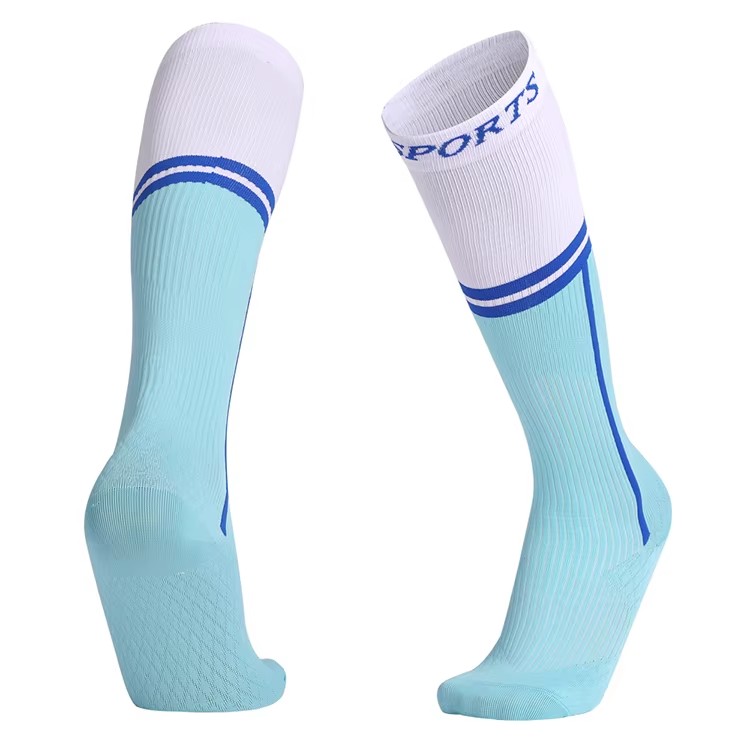
Compression socks don’t have to be boring. When you’re developing an OEM line, every stitch and shade is a chance to stand out. Start by thinking about the end user—are they athletes craving a pop of color that pairs with their gear, or travelers who want a sleek, understated look? The right palette and pattern can turn a functional accessory into a fashion statement that people actually want to wear long after the workout is over. Don’t just follow trends; create a visual identity that aligns with your brand’s story, whether it’s through bold geometrics, gradient fades, or custom motifs that reflect a specific lifestyle.
The fabric itself is another canvas. Beyond the standard black and beige, experiment with textures like ribbing or a subtle sheen that catches the light during yoga or a morning run. But it’s not all about aesthetics—the construction needs to scream quality. Reinforce high-wear areas with durable stitching, and consider varying the compression zones not just for performance, but for a sculpted silhouette. A well-designed sock should feel like it was made for the body, not just squeezed onto it. Small details, like a seamless toe or a cushioned footbed, can be the difference between a product that’s tossed aside and one that becomes a daily essential.
Packaging and presentation round out the impact. Think beyond the polybag: a reusable travel pouch or a minimal cardboard band that tells a story adds perceived value. When your socks arrive in a customer’s hands, the unboxing should feel like a moment—something they’d share. And because you’re building this from the ground up, you control the narrative. Include a care card that’s as thoughtfully designed as the socks themselves, with illustrations or tips that invite reuse. After all, maximum impact isn’t just about the product; it’s about the entire experience you deliver before the socks even touch someone’s feet.
The Science Behind Recovery and Blood Flow Optimization
Recovery isn’t just about resting; it’s an active biological process where the body repairs tissues, clears metabolic waste, and adapts to stress. At the heart of this lies blood flow—the circulatory system’s ability to deliver oxygen and nutrients while flushing out byproducts like lactate. Without efficient perfusion, muscles stay fatigued, inflammation lingers, and progress stalls.
When blood flow is optimized, capillaries dilate and microcirculation improves, allowing more oxygen-rich red blood cells to reach damaged fibers. This accelerates the clearance of debris and triggers the release of growth factors that rebuild tissue stronger than before. It’s not a passive soak; it’s a dynamic cycle where every heartbeat matters.
Practical strategies like rhythmic movement, targeted compression, and temperature contrast work because they tap into the body’s inherent mechanisms—fluctuating pressure gradients and endothelial responses. The result is a smarter recovery that feels less like waiting and more like priming for the next effort.
Material Choices That Make or Break Your Product
Every product tells a story through the materials it’s made of—whether that’s the cool touch of brushed aluminum or the warm grip of sustainably sourced wood. But beyond the tactile experience, material selection dictates durability, cost, and even how your customers perceive your brand. A flimsy plastic hinge that snaps after a month can undo years of reputation building, while a thoughtfully chosen composite might become a key selling point. The trick is balancing aesthetics with real-world demands: will the material withstand daily use, extreme temperatures, or chemical exposure? Ignoring these factors often leads to expensive recalls or a product that simply doesn’t hold up to competitors.
The production side matters just as much. A material might be perfect on paper but a nightmare to manufacture at scale—think exotic alloys that require specialized tooling or natural fibers with inconsistent supply chains. Even small inefficiencies in processing can drive up costs exponentially, eating into margins. Smart teams prototype early and test relentlessly, considering not just the raw material properties but how it behaves during injection molding, welding, or finishing. Sometimes the humble, overlooked option outperforms premium alternatives simply because it’s easier to work with and keeps production lines humming without delays.
Then there’s the environmental dimension, which can’t be ignored anymore. Customers increasingly scrutinize sourcing and end-of-life disposal, and regulations are tightening worldwide. A material that’s cheap and easy to process might carry a hidden carbon footprint or rely on conflict minerals, exposing the brand to backlash. On the flip side, innovative bio-based or recycled materials can become a genuine differentiator if durability and aesthetics are maintained. Ultimately, the materials you choose shape the entire product lifecycle—from initial excitement in a customer’s hands to what happens when they’re done with it. Get it right, and the product doesn’t just survive the market; it thrives in conversations and repeat purchases.
Branding and Packaging Strategies That Drive Customer Loyalty
Strong branding creates a sense of belonging that goes far beyond a company's logo or color scheme. When customers connect with a brand's values and personality, they're more likely to stick around—even when competitors offer lower prices. Consistent visual identity across all touchpoints, from product packaging to social media, reinforces familiarity and trust. Subtle details like unique unboxing experiences or eco-friendly materials can turn a ordinary purchase into an emotional event, prompting customers to share their excitement and return for more.
Packaging isn't just a container; it's a silent salesperson that communicates quality and care. Brands that invest in thoughtful package design—like reusable containers, handwritten notes, or clever inserts—make each delivery feel personal. This level of attention signals that the company values the customer's experience as much as the sale. Over time, these seemingly small touches build a narrative that customers want to be part of, fostering loyalty that withstands market shifts.
Innovative strategies like limited-edition packaging or loyalty-focused QR codes add an element of surprise and exclusivity. When customers feel they're receiving something special or part of an insider group, they develop a deeper emotional investment. This isn't about gimmicks; it's about creating meaningful interactions that reward repeat business and turn casual buyers into passionate advocates who spread the word organically.
Navigating the Manufacturing Process Without the Headaches
Turning a concept into a tangible product doesn't have to be a scramble of endless emails and unexpected delays. The real secret lies in aligning every detail from the start—materials, tolerances, and timelines—with a partner who speaks your language. When the initial specs are locked down with clarity, the entire process flows like a well-oiled machine instead of a series of frustrating miscommunications.
A smooth manufacturing run isn't about luck; it's about anticipating the snags before they happen. That means looking beyond the quote to evaluate a factory's real track record, quality checks, and their ability to handle curveballs. A good partner will flag potential issues in your design early, saving you from costly revisions later. It's this proactive mindset that turns a potentially chaotic journey into a predictable, transparent one.
Ultimately, staying sane through production hinges on visibility and trust. With the right systems in place, you can track progress without micromanaging, and receive samples that match what you envisioned. When the final pieces arrive on schedule and to spec, it's not a happy accident—it's the result of a relationship built on shared goals and honest communication from day one.
FAQ
OEM stands for Original Equipment Manufacturer. In simple terms, a factory produces the socks, but your brand gets all the credit—you can customize everything from the fit and fabric to the logo and packaging, then sell them under your own name.
They boost blood flow and oxygen delivery to working muscles, which delays fatigue and helps you push harder for longer. The graduated compression also stabilizes muscles and reduces vibration, so you waste less energy with each stride or lift.
They’re incredibly versatile. Runners love them, but you’ll also see them on basketball players protecting their calves, CrossFit athletes minimizing shin splints, and even obstacle racers who want extra abrasion resistance. Custom designs let you tweak padding and compression zones for specific movements.
Wearing them post-workout speeds up the removal of metabolic waste like lactic acid and lowers inflammation. Many people report less soreness the next day, and if you travel for competitions, they’re a lifesaver for reducing swelling on long flights.
You can go far beyond a logo. Reputable OEM partners let you choose yarn blends, compression levels, cushioning patterns, heel and toe reinforcements, even moisture-wicking treatments. You essentially build the sock from the ground up to match your brand’s performance story.
It’s about matching the mmHg rating to the intended use. For running and high-intensity activity, 15–20 mmHg is common—tight enough to encourage circulation without restricting movement. For long recovery periods or standing all day, 20–30 mmHg provides more squeeze. Your manufacturer should offer gradient testing and size charts to nail the fit.
Absolutely. Factories now work with recycled nylon, organic cotton, and even biodegradable yarns that don’t sacrifice durability or compression. Just specify your sustainability goals early in the design process, and they’ll source materials that meet both your ethical standards and performance requirements.
Lead times usually range from four to eight weeks, depending on order size and customization complexity. Simple logo additions might move faster, while fully bespoke designs with special knitting patterns or packaging can push closer to eight. Always build in a few extra days for shipping and customs if you’re importing.
Conclusion
Stepping into the world of OEM compression socks opens up a realm where performance meets personalization. These aren't your off-the-shelf sleeves; they're precision-engineered tools that enhance blood circulation and reduce muscle oscillation during high-intensity activity, giving athletes that extra edge when it counts. When you move to designing your own line, the real magic happens—every stitch and contour can be tailored to match an athletic body in motion, from targeted arch support to gradient compression that feels like a second skin. The research backs it up: proper graduated compression accelerates venous return, flushing out metabolic waste and delivering oxygen-rich blood faster, which means less soreness tomorrow and better output today.
Choosing the right materials is where science collides with comfort; a blend of nylon and spandex might offer durability and stretch, while moisture-wicking merino wool can handle endurance athletes’ demands. But a great product alone doesn’t build a brand—thoughtful packaging and a clear identity turn first-time buyers into loyal fans. It’s about creating an unboxing experience that feels premium and aligning your visuals with the performance story you’re telling. Finally, sidestepping manufacturing headaches comes down to vetting partners who understand technical textiles and quality control. A seamless process here means your compression socks arrive consistent, compliant, and ready to perform, just as you envisioned.
Contact Us
Contact Person: Tiga
Email: [email protected]
Tel/WhatsApp: 8613058331729
Website: https://www.china-socksfactory.com/