

OEM Organic Fertilizer: A Complete Guide to Custom Solutions for Sustainable Agriculture
2026-07-23
The global push for sustainable farming has sparked a revolution in nutrient management, and OEM organic fertilizers are leading the charge. Whether you're a grower seeking tailored soil health or a brand aiming to offer bespoke solutions, understanding the ins and outs of these custom formulations is key. At Tundrr, we've seen firsthand how the right blend can transform yields and ecosystems alike. This guide unpacks everything from raw materials to regulatory hurdles, giving you the insights to craft or choose the perfect product—without the fluff.
Decoding the OEM Organic Fertilizer Process
When you peel back the layers of OEM organic fertilizer production, it’s less about a one-size-fits-all recipe and more like crafting a gourmet meal from local ingredients. The process usually kicks off with a deep collaboration between the manufacturer and the client, where soil reports, crop targets, and even regional climate data get mapped onto a nutrient blueprint. Instead of relying on generic blends, raw materials—think composted manures, bone meal, kelp extracts—are sourced and tested not just for NPK, but for micronutrient profiles and microbial activity. This front-end customization is what separates a truly tailored product from a bag of standardized pellets.
Once the formula is set, the real magic happens during controlled aerobic fermentation. Temperature, moisture, and oxygen levels get micro-managed over weeks, not days, to ensure pathogens are neutralized while beneficial bacteria and fungi thrive. Some facilities even introduce proprietary microbial inoculants at precise intervals, creating a living soil amendment rather than just a nutrient carrier. The result is a consistently stable, humus-rich pellet or powder that doesn’t just feed plants—it rebuilds soil structure over time. And for clients who need traceability, every batch is often logged with a digital fingerprint, from raw input to final bagging.
Matching Nutrient Profiles to Crop Demands
Crops donât need a static dietâtheir appetite shifts as they pass through germination, vegetative growth, flowering, and grain fill. A young wheat seedling sips phosphorus to fuel root development, but a few weeks later it craves nitrogen to build leaves and stems. By understanding these biological rhythms, you can time each application so nutrients land exactly when the plant will use them, preventing costly surpluses that leach away or deficiencies that pinch yields.
Soil tests and tissue samples turn guesswork into a precise recipe. Instead of blindly broadcasting a standard blend, you match potassium to the cropâs uptake curve, adjust magnesium where sandy fields show a shortfall, and hold back boron until flowering triggers a demand spike. This tailoring not only lifts marketable output but also keeps excesses out of surrounding ecosystemsâyielding cleaner water, healthier land, and a more resilient farming system.
The Hidden Economics of Custom Blends
When you break down the numbers, standard off-the-shelf blends often come with a hefty markup for branding and distribution. By contrast, crafting a custom formulation can slash per-unit costs dramatically—not just because you’re sidestepping middlemen, but because you’re paying solely for the raw quality and precision of ingredients, not a glossy label. Many businesses overlook how much they’re actually spending on marketing fluff until they see the ingredient-level pricing that customization unlocks.
There’s also a subtle multiplier effect that rarely gets talked about: tailored blends reduce waste. Generic mixes force you to accommodate ratios that don’t perfectly suit your process, leading to spoilage, overuse, or inconsistent results that chip away at your margins. A blend designed for your exact methods means every ounce goes exactly where it should—cutting down on rework and surplus orders that silently drain budgets.
Beyond the immediate savings, custom blends shift your supply chain leverage. When you’re not tied to a single supplier’s stock formula, you can negotiate harder on raw component prices, pivot quickly if a source gets expensive, and even adjust the blend dynamically as market conditions change. That agility isn’t just a nice-to-have; it translates directly into bottom-line resilience that preset products simply can’t match.
Certifications That Matter: Navigating Standards
In a market flooded with badges and logos, discerning which certifications carry real weight takes more than a quick glance. The ones that matter are backed by rigorous, third-party validation—think ISO 27001 for information security or Fair Trade for ethical sourcing. They aren't just decorative; they signal a commitment that has been tested by independent auditors, not self-declared. The key is to look past the marketing gloss and understand the scope: a certification that covers a single product line tells a different story than one that validates an entire management system.
Navigating this landscape means aligning certifications with your specific concerns. For instance, if you're worried about environmental impact, a lifecycle-focused ecolabel like Cradle to Cradle might reveal more than a generic recycling symbol. It's also essential to track the certifier's reputation—many are regional, but the strongest hold global recognition and maintain public databases you can check. Don't fall for cleverly named “certificates” that need little more than a fee; true credentials require ongoing audits and transparent criteria.
Ultimately, certifications should be seen as a tool for continuous improvement rather than a final destination. Companies serious about their standards often undergo recertification cycles that force them to adapt as requirements evolve. The most credible badges aren't static—they push organizations to keep learning and raising the bar, which is exactly what you'd want as a customer or partner.
Field-Tested Implementation Tactics
Field-tested implementation tactics aren’t just theory—they’re strategies shaped by real messes, tight deadlines, and unexpected constraints. One approach that consistently works is breaking rollouts into ridiculously small phases. Instead of aiming for a big-bang launch, successful teams push a single feature to a handful of users and watch what breaks. This isn’t about caution; it’s about collecting bruises early so you can heal faster.
Another tactic is to treat your most skeptical stakeholders as design partners, not obstacles. When someone on the ground pushes back, they’re often spotting friction you’d otherwise miss. By looping them into late-stage testing and asking, ‘What would make you trust this?’, you turn critics into validators. The key is capturing their concerns in their own words—verbatim feedback, not sanitized summaries.
Maybe the most underrated tactic is documenting decisions not as formal specs but as living ‘battle notes.’ When a workaround is deployed or a feature is deferred, a quick markdown file with the date, the problem, and the ugly fix becomes gold six months later when memory fades. These notes keep teams from repeating mistakes and help onboard new members with context that slide decks can’t capture.
Scaling Sustainability: Future-Proof Practices
Embedding sustainability into the core of a business model is no longer a niche concern—it’s a strategic necessity for long-term resilience. Companies that treat environmental and social governance as afterthoughts often find themselves scrambling when regulations tighten or consumer expectations shift. True scaling means weaving thoughtful practices into every layer of operations, from supply chain logistics to product design, so that growth and responsibility move in lockstep. This deliberate approach uncovers inefficiencies and opens doors to innovation, turning potential liabilities into competitive advantages. The organizations that thrive in the next decade will be those that see sustainability not as a compliance checkbox, but as a catalyst for reimagining how value is created and delivered.
Future-proofing demands a shift from short-term gains to systems thinking. It’s easy to chase quick wins—switching to recyclable packaging or off setting carbon—but lasting impact requires digging deeper. This involves examining material flows, energy sources, and waste streams with a circular mindset, where nothing is truly discarded. Collaborative partnerships across industries can accelerate this shift, enabling shared infrastructure and knowledge that no single player could build alone. When durability, repairability, and material health become design principles, products naturally last longer and generate less waste. Such practices don’t just reduce harm; they create loyal customers who value transparency and quality over disposability.
Measurement and adaptation are the quiet engines of sustainable scaling. Without clear metrics, ambitions remain abstract. Tracking carbon footprint, water usage, and social impact with the same rigor as financial performance turns aspirations into accountable goals. Yet data alone isn’t enough; it must feed a culture of continuous improvement where feedback loops drive iterative change. Employees at all levels need the freedom to experiment and the support to learn from setbacks. When sustainability becomes embedded in everyday decision-making, it evolves from a departmental initiative into a living practice that strengthens the entire organization against regulatory, climatic, and market uncertainties.
FAQ
OEM organic fertilizer is a bespoke blend crafted specifically for a brand or distributor, tailored to meet precise crop needs, soil conditions, and regional sustainability goals. Unlike generic bagged products you find on shelves, these formulations are co-developed with manufacturers to match your agronomic specifications, packaging, and even branding requirements.
Custom solutions allow for precision nutrition—matching nutrient release rates to crop growth stages, correcting specific soil deficiencies, and integrating local organic waste streams. This often leads to better yields, improved soil health, and a product that aligns perfectly with a farm’s organic certification or a company’s sustainability story.
It usually starts with a thorough soil and crop analysis, followed by discussions on your objectives—like boosting fruit set or enhancing drought resistance. Next, the manufacturer proposes a base blend of composted manure, plant meals, and mineral powders. After small-batch trials and adjustments, you finalize the formula, choose granule size or liquid form, and design the packaging. Ongoing support often includes further refinement based on field results.
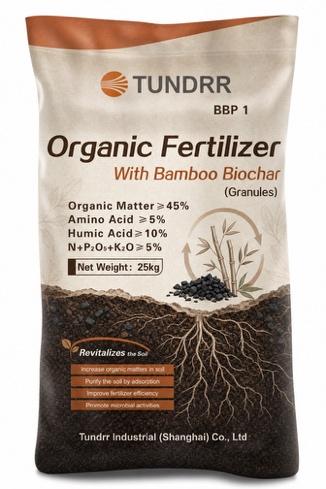
Common ingredients include composted poultry litter, feather meal, bone meal, seaweed extracts, and biochar. Quality hinges on sourcing, composting maturity, and pathogen control. Reputable providers conduct frequent lab tests for nutrient consistency and contaminants, ensuring each batch performs predictably without harming beneficial soil biology.
Absolutely. Many custom blends now incorporate high-carbon amendments like biochar or humic substances that improve soil structure and lock in carbon. Others include hygroscopic materials or mycorrhizal inoculants to enhance moisture retention. These features can be built into the formula to support regenerative agriculture goals while still delivering nutrients.
If you’re marketing the final product as organic, it must comply with standards like NOP, EU Organic, or JAS, depending on your region. This means every input must be approved and the manufacturing facility audited. A knowledgeable partner will help navigate these rules, ensuring the formula meets certification requirements from day one, which saves costly reformulations down the line.
The biggest risks include inconsistent raw materials, poor granulation leading to uneven application, and nutrient imbalances that harm crops. To avoid these, request detailed specs for each batch, demand third-party tests for heavy metals and pathogens, and start with a pilot area before scaling up. Also, ensure the manufacturer understands your local climate and cropping system—not just the numbers on a spreadsheet.
Initially, OEM products may cost more per ton due to specialized ingredients and smaller runs. However, when you factor in reduced waste, fewer corrective applications, and premium crop quality, the return often justifies the expense. Many users find that tailored nutrition improves yield consistency and reduces long-term soil remediation costs, making the overall farm budget more predictable.
Conclusion
Unlocking the potential of OEM organic fertilizer means moving beyond one-size-fits-all approaches and into truly customized nutrition for crops. It begins with a deep dive into the raw materials and blending technologies that define the OEM process—where manufacturers collaborate directly with farmers or distributors to engineer fertilizers that match precise nutrient profiles. This isn’t just mixing ingredients; it’s about understanding soil deficiencies, crop growth stages, and even local climate patterns to craft a blend that delivers exactly what the plant needs, when it needs it. The art lies in balancing macronutrients and micronutrients while preserving the organic integrity that sets these products apart. With a tailored approach, a tomato grower in a calcium-deficient soil can get a completely different formulation than a vineyard needing a potassium boost, all from the same OEM partner. This level of specificity turns fertilizer from a generic input into a strategic tool for yield and quality.
Behind every successful custom blend is a careful calculation of economics and compliance. The hidden costs and savings of custom formulations often surprise growers—bulk purchasing of raw materials, streamlined logistics, and reduced waste can offset the premium over standard products. But the real value emerges when you factor in the long-term soil health benefits and reduced reliance on synthetic supplements. Meanwhile, navigating the certification maze is non-negotiable; OMRI, NOP, or EU organic standards are not just badges but assurances that the product meets rigorous ecological and safety benchmarks. Smart buyers scrutinize these credentials to avoid greenwashing and ensure market access. On the ground, field-tested implementation makes all the difference: techniques like split applications, composting teas, or integrating cover crops can amplify the fertilizer’s efficacy. Ultimately, scaling these practices future-proofs farming operations, aligning them with regenerative principles that build resilience against climate shifts and resource constraints without sacrificing profitability.
Contact Us
Contact Person: Ellen Zhang
Email: [email protected]
Tel/WhatsApp: +86(21) 2287 6756
Website: https://www.tundrr.com/en/