

Professional Aluminum Fishing Boat: Your Complete Buyer's Guide
2026-08-02
Is your old fishing boat holding you back from reaching those untouched honey holes? A professional aluminum fishing boat could be the game-changer you need—and Allheart builds some of the toughest, most versatile rigs on the water. In this guide, we’ll break down everything you need to know to choose the perfect aluminum boat for your style of fishing, from hull design to must-have features. Let’s dive in and get you closer to the catch of a lifetime.
Why Aluminum Hulls Outperform the Rest
When you’re slicing through choppy waters, the hull beneath your feet matters more than anything. Aluminum brings a rare blend of lightness and brute strength—it’s about a third the weight of steel yet shrugs off impacts that would crack fiberglass. That weight savings doesn’t just make trailering easier; it translates directly to better fuel economy and a nimble ride that feels almost intuitive at the helm. You’ll notice the difference the first time you dock in a crosswind or weave through a rocky inlet without cringing.
Durability is where aluminum truly leaves other materials behind. It doesn’t soak up water, blister, or rot the way wood and fiberglass can over time. Saltwater corrosion? Modern marine-grade alloys form a tough oxide skin that essentially heals itself when scratched. I’ve seen aluminum rigs run for decades with nothing more than a rinse-down and an occasional polish—try that with a gelcoat finish and you’ll be buffing out spider cracks every season.
Customization often gets overlooked in these comparisons, but it’s a huge advantage. Aluminum is infinitely weldable and repairable with basic metalworking skills, meaning you can modify your layout, add a fishing platform, or patch a driveway mishap without writing off the boat. It’s a material that grows with you, adapting to how you actually use the water rather than locking you into a factory floorplan. That kind of long-haul flexibility is why so many commercial operators—and increasingly, savvy recreational buyers—refuse to trust anything else.
Gauge, Alloy, and Weld Quality Explained
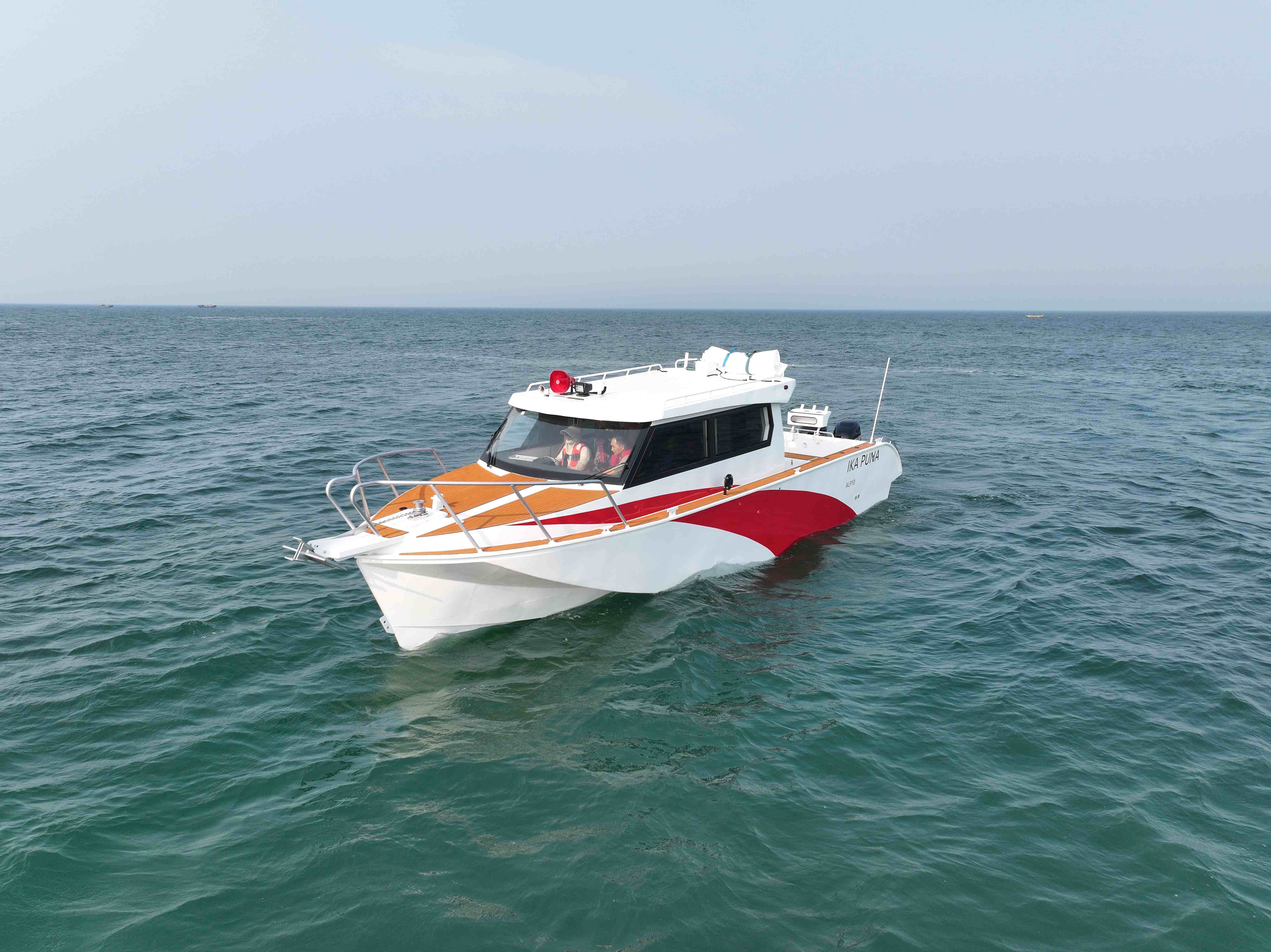
The gauge of a metal refers to its thickness, and it plays a surprising role in both performance and longevity. Thicker gauges generally offer more durability and resistance to denting, but they also add weight and can be trickier to weld cleanly. On the flip side, thinner materials are lighter and often cheaper, yet they’re more prone to warping under heat. The key is matching the gauge to the demands of the project—structural work usually calls for a heavier hand, while cosmetic or low-stress seams can get away with a lighter touch without sacrificing integrity.
Alloy composition is where things get really interesting, because even small adjustments in elements like chromium, nickel, or carbon can drastically shift a metal’s behavior. A higher chromium content might give you excellent corrosion resistance but make the material harder to shape; a touch more carbon can boost strength but also raise the risk of cracking during cooling. Welders need to know their alloys inside and out—using the wrong filler rod on a high-nickel steel, for instance, can lead to brittle joints that fail under pressure. It’s not just about melting two pieces together; it’s about choosing a combination that stays tough and stable once the arc cools.
Weld quality often comes down to things you can’t see with a quick glance—penetration depth, gas coverage, and heat control all leave their mark below the surface. A good weld doesn’t just look smooth on the outside; it fuses the root completely without pockets of slag or porosity hiding inside. That’s why experienced fabricators pay as much attention to their settings and technique as they do to the metals themselves. Even the best alloy and the perfect gauge won’t save a job if the weld is starved of shielding gas or rushed through without proper preheat. In the end, all three factors pull together—get one wrong, and the whole assembly can come undone sooner than you’d think.
Layouts That Match Your Fishing Style
Every angler has a unique approach, and your boat layout should feel like a natural extension of that style. Think about the way you fish: do you prefer casting from the bow, trolling along quiet banks, or drifting open water with friends? A forward casting deck with abundant storage might suit the bass enthusiast who’s constantly on the move, while an open, uncluttered cockpit is ideal for fly casters needing room for long, graceful loops. The key is to match the spatial flow to your rhythm on the water, so every motion feels intuitive.
For those who mix techniques or fish with family, versatile layouts with modular seating and convertible features truly shine. Imagine a layout that shifts effortlessly from a stable platform for sight fishing to a comfortable social space for a relaxed afternoon. Clever touches like under-gunwale rod storage, movable pedestal seats, and livewell placement that doesn’t interrupt traffic flow can make a world of difference. It’s not just about having features—it’s about how they’re arranged to support your specific day on the lake.
Consider the water you frequent as well. Fishing tight, stump-filled bays demands a different layout than running open big-water expanses. A center-console design might give you 360-degree fishability and quick access to all sides, while a dual-console layout offers balanced versatility and passenger comfort without sacrificing fishing functionality. The right layout doesn’t just accommodate your gear; it amplifies your strengths and quietly removes the small frustrations that distract from the pure joy of the catch.
Stability and Handling in Rough Water
A boat's ability to stay composed when the sea turns angry depends on more than just hull shape—it's about how weight sits, how the chines bite, and whether the helm responds with intuition or reluctance. In rough water, soft-riding deep-V hulls slice through chop instead of slamming, but the real magic comes from a low, centralized center of gravity that keeps pendulum motions in check. When every wave threatens to knock you off course, a hull that settles into the water rather than bouncing atop it gives you a fraction of a second more to react, and that margin makes all the difference.
Handling in confused seas is where design nuances surface—literally. Fine entries up front part the whitecaps without jarring, while flared topsides deflect spray before it drenches the cockpit. But it's the interplay between keel and rudder that decides whether you fight the wheel or guide it. A deep, full-length keel tracks like a train on rails, resisting beam seas that would sideswipe a lighter boat, but it costs you in quick maneuvers. The trick is finding a balance that lets you dodge a breaking crest without losing your line, a dance that separates seaworthy craft from fair-weather cruisers.
Trim and power delivery are your silent allies in rough conditions. Dialing the outdrive or tabs just right can lift the stern enough to prevent following seas from pushing you into a broach, while a steady throttle hand keeps momentum without burying the bow. Boats with deep cockpits and high bridge deck clearance give you an extra layer of security, shedding green water before it becomes a threat. Ultimately, stability at sea is a conversation between hull, helmsman, and horizon—one that rewards experience and well-founded engineering over sheer speed.
Must-Have Features for Serious Anglers
Durability isn’t just a buzzword when you’re wrestling a trophy catch in choppy conditions. The gear that serious anglers lean on is built to shrug off salt, sand, and the occasional dunking. Explosive tip action keeps the rod lively in your hands, while oversized guides practically spit out tangles before they start. It’s the kind of reliability that becomes invisible — you only notice it when it’s not there.
Sensitivity often gets mistaken for a delicate touch, but the best setups turn your backbone into a listening device. Subtle bottom transitions and faint tail twitches telegraph through a high-modulus blank, giving you an unfair advantage when the fish are tight-lipped. Pair that with a grip that feels like an extension of your palm, and you’ll clock longer hours on the water without the usual hand fatigue creeping in.
Storage that actually works is a quiet obsession among those who live for the strike. Quick-access pockets that don’t spill their guts when flipped open, magnetic clasps that snap shut with a nudge, and box compartments that swallow oversized topwaters without jamming — these are the details that keep the focus on fishing, not fumbling. When every piece of your kit has a home, you spend less time rigging and more time retrieving.
What to Check Before You Sign the Check
Take a moment to verify that the payee line is exactly as intended—misspelled names or vague entries can cause delays or even rejection at the bank. A quick double-check now avoids awkward backtracking later.
Glance at the amount, both in numbers and words; those two must match perfectly. Banks will default to the written amount if there’s a conflict, so a small slip can turn a minor payment into a major headache.
Don’t skip the memo line. A brief note about the purpose isn’t just helpful for your records, it can also prevent disputes if the recipient questions what the payment is for. Finally, confirm you’ve signed it—unsigned checks are surprisingly common and just as useless.
FAQ
Aluminum boats are lighter, which means better fuel efficiency and easier trailering. They're also tougher—less likely to crack or shatter if you hit rocky bottoms or overload them. Plus, they handle saltwater corrosion better with proper maintenance.
Look for at least .100 gauge on the bottom and sides. Some heavy-duty models go up to .125 or .160 for added puncture resistance. Thicker aluminum adds weight but dramatically improves longevity in rough conditions.
Older models did have that tinny clang, but modern designs use composite transoms, foam-filled hulls, and advanced build techniques to dampen sound. You'll notice it's quieter than you'd expect, especially at trolling speeds.
Significantly less. There's no gelcoat to wax or blister. Just rinse with fresh water after saltwater use, check for loose rivets annually, and keep electrical connections clean. The finish is tough, so minor scratches often just add character without leading to deeper damage.
Absolutely. Many manufacturers offer modular layouts, so you can spec out livewells, rod storage, trolling motor mounts, and even leaning posts exactly where you want them. It's not a one-size-fits-all factory job if you go with a builder who listens.
A solid 18-foot center console with a 90-115 HP outboard, good electronics, and a trailer will run between $30,000 and $45,000 new. If you're adding things like a T-top, Power-Poles, or top-shelf sonar, plan for $50,000+. Used deals exist if you're patient.
They hold value exceptionally well because they don't degrade like wood or older glass boats. A well-maintained 10-year-old hull can be worth 60-70% of its original price, assuming the motor has been cared for. The simplicity of the construction makes them desirable on the secondary market.
Conclusion
When investing in a professional-grade aluminum fishing boat, understanding why aluminum outperforms fiberglass or wood is just the start. Aluminum hulls offer unmatched durability, lighter weight for better fuel efficiency, and resistance to corrosion—critical for both freshwater and saltwater use. Yet not all aluminum boats are created equal. You’ll need to pay close attention to the gauge (thickness) of the hull, the specific alloy used (marine-grade 5052 or 5086 are common), and the quality of the welds—continuous, clean welds mean a stronger, leak-free boat. Equally important is matching the layout to your fishing style: a center console for open water, a side console for tight spaces, or a tiller model for maximum deck space. The right design not only enhances comfort but optimizes your fishing efficiency, whether you’re casting for bass in a lake or trolling for salmon in coastal waters.
Beyond the build, real-world performance matters most. A well-designed aluminum boat delivers excellent stability and handling in rough water, thanks to features like a deep-V hull or a modified-V hull that cuts through chop. Serious anglers shouldn’t compromise on features such as spacious livewells, plenty of rod storage, and built-in tackle centers. Before you finalize the purchase, however, conduct a thorough inspection: check for consistent riveting or welding, test the bilge pump, verify the trailer condition, and ensure the boat’s weight capacity matches your needs. Look for hidden damage, especially in used boats, and always review the warranty and after-sales support. Taking these steps ensures your aluminum fishing boat will be a lasting investment, delivering years of reliable service on the water.
Contact Us
Contact Person: Benny Hu
Email: [email protected]
Tel/WhatsApp: +8618354225697
Website: https://www.allheartmarine.com/