

Rooftop Solar Factory Walkways: Best Designs for Safety & Efficiency
2026-01-12
In the bustling world of renewable energy, the design of rooftop solar factories plays a crucial role in balancing safety with operational efficiency. One often overlooked yet vital element? The walkways that connect workers and machinery across sprawling rooftops. At Topfence, we've honed innovative designs that transform these pathways from mere footpaths into strategic assets, enhancing both productivity and peace of mind. In this blog post, we'll explore the best designs for rooftop solar factory walkways, offering practical insights to elevate your facility's performance while keeping safety front and center. Curious to see how smart walkway solutions can revolutionize your solar operations? Let's dive in and uncover the keys to a safer, more efficient rooftop environment.
Maximizing Worker Safety with Strategic Layouts
Crafting a workspace that prioritizes safety starts with thoughtful layout design—a proactive step that can drastically reduce accident risks. Instead of merely reacting to incidents, strategic layouts anticipate potential hazards by ensuring clear pathways, proper equipment placement, and accessible emergency exits. This approach not only safeguards employees but also boosts morale, as workers feel more secure and valued in an environment tailored to their well-being.
Beyond basic compliance, innovative layouts integrate ergonomics and workflow efficiency to create a seamless safety net. For instance, positioning heavy machinery away from high-traffic areas minimizes collision risks, while strategically placed storage for tools prevents clutter and tripping hazards. Such designs adapt to specific industry needs, whether in manufacturing, construction, or office settings, making safety a core element of daily operations rather than an afterthought.
Ultimately, maximizing worker safety through strategic layouts is an ongoing process that evolves with technology and feedback. Regular assessments and employee input help refine these designs, ensuring they remain effective in preventing injuries and enhancing productivity. By embedding safety into the very blueprint of a workplace, organizations not only protect their workforce but also cultivate a culture of care that drives long-term success.
Enhancing Efficiency Through Ergonomic Pathway Designs
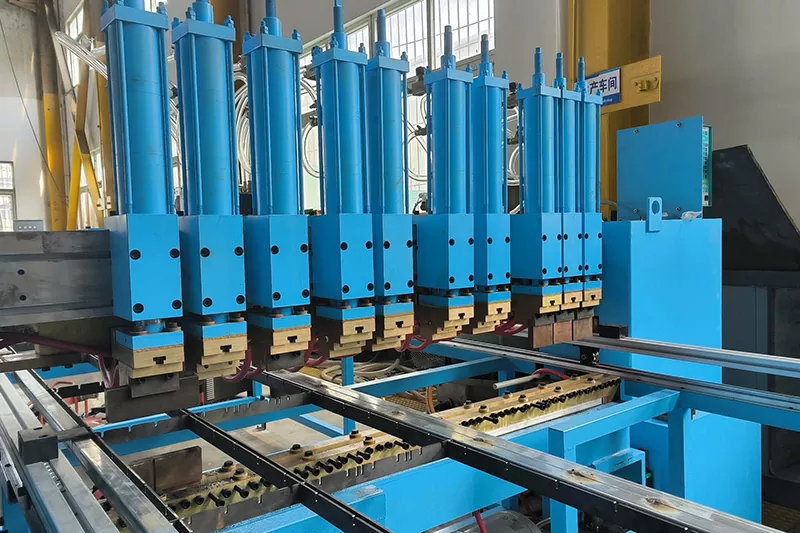
In navigating today's fast-paced environments, ergonomic pathway designs act as silent champions, streamlining movements and reducing unnecessary physical strain. Imagine a hospital where medical staff can swiftly access critical supplies without backtracking – such thoughtful layouts directly translate to faster response times and heightened alertness.
These designs go beyond aesthetics, incorporating principles of human movement and psychology. By analyzing common routes and potential bottlenecks, ergonomic pathways minimize friction points, enabling smoother transitions and a more intuitive flow. This approach not only enhances day-to-day efficiency but also fosters a sense of ease and well-being among users.
Ultimately, ergonomic pathway designs are a strategic investment in operational excellence. They transform chaotic settings into organized hubs where people and processes move in harmony, unlocking potential that often remains untapped in conventional setups.
Key Material Choices for Durable and Slip-Resistant Walkways
Choosing the right key materials for walkways isn't just about safety and durability; it's about creating surfaces that stand up to heavy use while providing reliable traction in various conditions. From natural stones like granite and basalt to advanced composites, materials must be selected based on their texture, hardness, and resistance to wear. For instance, brushed concrete offers a subtle non-slip finish, while rubberized paving can add cushioning in high-traffic areas, ensuring both comfort and long-term performance without appearing overly engineered.
Innovations in material science have led to options that blend aesthetics with functionality, such as porous ceramics that drain water quickly to reduce slipping hazards. Unlike generic recommendations, tailored choices like textured metals for industrial settings or recycled glass aggregates for eco-friendly projects can set a walkway apart, emphasizing unique needs over one-size-fits-all solutions. This approach helps avoid the blandness of standard installations, making the surface not only safer but also visually distinctive.
In practice, durability hinges on factors like climate adaptability and maintenance ease. Materials like polyurethane-bound aggregates resist freeze-thaw cycles better than traditional asphalt, while slip-resistant coatings with embedded abrasives offer long-lasting grip. By focusing on these nuanced aspects, builders can craft walkways that excel in real-world scenarios, moving beyond basic specs to deliver surfaces that feel thoughtfully designed for everyday use.
Streamlining Operations with Smart Traffic Flow Planning
Picture a bustling city where traffic jams are a distant memory, and vehicles glide through intersections with seamless coordination. That's the vision behind smart traffic flow planning, a game-changing approach that leverages real-time data and advanced algorithms to optimize transportation networks. By analyzing patterns from sensors, cameras, and connected vehicles, this system dynamically adjusts signals and routes, cutting down on congestion and reducing commute times. The result is not just smoother traffic but also enhanced safety and efficiency, paving the way for smarter, more sustainable urban environments.
What sets this technology apart is its ability to adapt on the fly, learning from shifting conditions like weather events or sudden road closures. Instead of relying on static schedules, smart flow planning uses predictive modeling to anticipate bottlenecks before they happen, directing traffic in ways that minimize disruptions. This proactive stance means fewer idling cars at red lights and more fluid movement across entire corridors, translating into tangible benefits like lower fuel consumption and reduced emissions. It's a tailored solution that evolves with the city, offering a responsive edge over traditional methods.
Beyond just easing traffic, this approach unlocks operational efficiencies for businesses and emergency services alike. Delivery trucks can navigate optimized routes to save time and costs, while first responders gain clearer paths during critical moments, improving response times. By integrating with broader smart city initiatives, such as public transit coordination, it creates a cohesive ecosystem where every mode of transport works in harmony. This holistic view ensures that smart traffic flow planning isn't a standalone fix but a cornerstone of modern infrastructure, driving innovation and reliability in our daily lives.
Essential Maintenance Features for Long-Term Reliability
Essential maintenance features are the cornerstone of long-term reliability. They're not just add-ons; they're integral components designed to prevent wear, catch issues early, and extend an asset's lifespan. Think of them as built-in safeguards that reduce downtime and repair costs over time. For example, features like self-diagnostic systems can alert operators to potential failures before they escalate, offering peace of mind and proactive control. By embedding these elements, manufacturers or operators ensure that maintenance isn't just reactive but a strategic part of everyday operations, keeping everything running smoothly for years.
What sets these features apart is their adaptability and precision. Unlike generic maintenance schedules, essential features are tailored to the specific demands of the equipment or system. For instance, predictive analytics tools analyze real-time data to identify patterns that might indicate future problems, allowing for targeted interventions. This approach minimizes unnecessary maintenance, saving resources while maximizing reliability. By focusing on what truly matters for each application, these features deliver a more efficient and robust maintenance strategy that evolves with changing conditions, ensuring longevity without overcomplicating the process.
Ultimately, the value of essential maintenance features lies in their ability to foster a culture of reliability. They empower users to take ownership of their assets, providing tools that make maintenance intuitive and effective. Whether it's through user-friendly interfaces that simplify checks or durable materials that resist degradation, these features build trust and confidence. In the long run, this leads to fewer surprises, lower total cost of ownership, and a reputation for dependability that stands out in any industry. It's about investing smartly upfront to reap continuous benefits down the line.
Innovative Lighting Solutions to Boost Visibility and Security
When it comes to enhancing both visibility and security, modern lighting technology offers far more than just illumination. For instance, smart LED systems with motion sensors can instantly brighten pathways the moment someone approaches, deterring potential intruders while ensuring safe navigation for residents or employees. These solutions not only cut energy costs by activating only when needed but also create a dynamic environment that adapts in real-time to changing conditions, making spaces feel actively protected rather than passively lit.
Beyond traditional fixtures, innovations like solar-powered lights with integrated cameras are transforming how we think about outdoor security. Imagine a garden light that not only casts a warm glow but also records high-definition video when it detects movement, sending alerts directly to your smartphone. This dual-purpose approach merges aesthetic appeal with practical safety, allowing homeowners and businesses to maintain a welcoming atmosphere without compromising on vigilance. It's a seamless blend of form and function that keeps properties well-lit and monitored around the clock.
Finally, consider the impact of color-tunable lighting in public areas, which can shift hues to improve visibility during different times of day or under specific weather conditions. For example, cooler white lights might be used at night to enhance contrast and reduce glare, aiding drivers and pedestrians alike. By tailoring light quality to the context, these systems go beyond basic illumination to proactively address safety challenges, offering a layered defense that makes environments not just brighter, but smarter and more secure overall.
FAQ
Designing safe walkways requires prioritizing non-slip surfaces, adequate lighting, and clear signage to prevent slips, trips, and falls, while also accounting for weather conditions and emergency access routes.
Optimized walkway layouts streamline material flow and worker movement, reducing transit times between stations and minimizing disruptions, which boosts overall production efficiency.
Durable materials like galvanized steel, aluminum grating, or reinforced concrete are ideal, as they withstand heavy loads, corrosion, and UV exposure typical in rooftop environments.
Proper drainage prevents water accumulation that could lead to slippery surfaces, structural damage, or electrical hazards, ensuring year-round safety and maintenance ease.
Designs should include wide paths with reinforced edges to support heavy equipment, removable sections for repairs, and strategic placement near critical infrastructure points.
Guardrails and barriers provide fall protection, especially at edges or height changes, complying with safety standards to prevent accidents and enhance worker confidence.
Yes, using recycled materials, reflective coatings to reduce heat absorption, or incorporating green elements like drainage systems for water reuse can align with environmental goals.
Focus on long-term value by investing in high-quality, low-maintenance materials and modular designs that allow scalability, reducing future repair costs and downtime.
Conclusion
Rooftop solar factory walkways are crucial for ensuring both worker safety and operational efficiency, with designs focusing on strategic layouts that minimize hazards and maximize movement. By incorporating ergonomic pathway designs, these walkways reduce physical strain, allowing workers to navigate smoothly and focus on tasks without unnecessary fatigue. Material choices play a key role, with durable and slip-resistant surfaces enhancing longevity and preventing accidents in varied weather conditions. Through smart traffic flow planning, operations are streamlined, ensuring clear routes for personnel and equipment, which boosts productivity while maintaining a safe environment.
Long-term reliability is achieved by integrating essential maintenance features that simplify upkeep and prevent structural issues. Innovative lighting solutions further contribute by improving visibility and security, particularly during low-light conditions or night shifts. Together, these elements create a cohesive design that not only meets safety standards but also enhances overall efficiency, making rooftop solar factories more effective and sustainable. This holistic approach sets apart modern walkways by blending practicality with innovative solutions, ensuring they stand out in terms of durability, usability, and safety.
Contact Us
Contact Person: Nancy
Email: [email protected]
Tel/WhatsApp: +86-13365923720
Website: https://www.topfencesolar.com/