

Stand Up Pouch with Valve Manufacturer for Reliable Flexible Packaging Solutions
2026-10-13
You might not notice a stand-up pouch valve until it fails—then it’s all you notice. Leaks, clogs, and weak seals quietly erode customer trust and product shelf life. That’s exactly why Kody engineers every valve pouch as a system, not an afterthought. Whether you’re packaging liquids, powders, or oxygen-sensitive goods, the right manufacturer turns flexible packaging into a reliability advantage. Here’s what to look for before your next production run.
One-Way Valve Tech That Keeps Oxygen Out and Aroma In
Freshly roasted coffee beans release large amounts of carbon dioxide for days after roasting. If you seal them in an ordinary bag, the pressure builds until the bag puffs up or splits at the seam. A one-way valve solves this by letting gas escape without letting outside air back in.
The valve itself is a small, usually round piece of plastic with a thin flexible membrane inside. When the internal pressure from the beans exceeds the outside air pressure, the membrane lifts and vents the excess CO2. Once the pressure equalizes, it drops back into place and seals the opening. Oxygen and moisture from the room never get a chance to enter, which means the oils in the beans stay intact and the volatile aromatics are not oxidized.
That is why bags with this tech often smell intensely when you first open them, even weeks after roasting. The coffee has been quietly degassing the whole time while the flavor compounds remained trapped. It also prevents the dull, flat taste that comes from oxygen exposure, making a noticeable difference in the cup.
Why Your Stand-Up Pouch Needs a Seal That Can Take a Beating
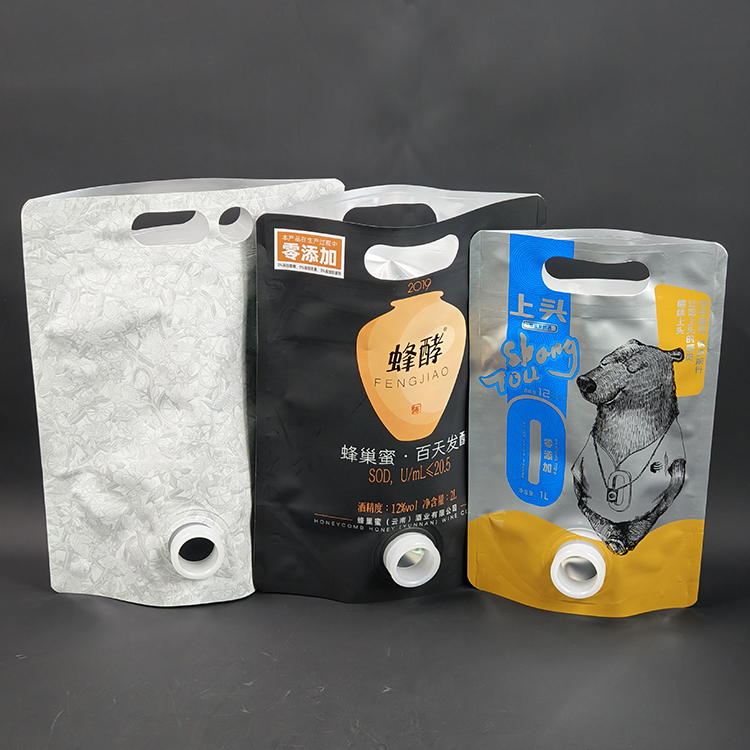
A stand-up pouch looks great on the shelf, but its real test comes long before that—when it's tossed onto a truck, stacked under heavy boxes, or dropped on a warehouse floor. If the seal fails under that kind of stress, you're not just dealing with a torn bag; you're dealing with leaked product, contaminated contents, and a customer who won't order again. The seal is the only thing standing between your product and a very messy situation.
Unlike rigid containers, stand-up pouches flex and shift constantly during transit. Each movement puts repeated stress on the seal area, especially at the corners where the gusset meets the side panels. A weak or brittle seal may hold up on a display shelf but crack or peel apart after just a few rough handling cycles. That's why the seal material and sealing temperature need to be tuned for real-world abuse—not just a quick lab test.
Investing in a tough, flexible seal pays off in fewer returns, less waste, and a brand that customers trust to arrive intact. Look for seals that can withstand repeated flexing, temperature swings, and even contact with oily or acidic products. It's not about over-engineering; it's about matching the seal to the journey your pouch will actually take from factory to front door.
Matching Film Layers to Product Chemistry, Not Just Cost
Barrier films often fail in quiet ways. A package may look intact while the product inside slowly loses aroma, picks up off-flavors, or reacts with a layer that was chosen purely because it met a price point. Matching each layer to the actual chemistry of the product means looking at more than oxygen or moisture transmission rates. It means asking how the product’s acids, oils, or volatile compounds will interact with the sealant layer over months of contact, and whether the tie layer will hold up under real temperature swings.
A fruit juice concentrate with high citric acid content, for example, can attack a standard ethylene vinyl alcohol layer if the adhesive layer is not an effective barrier to ion migration. Similarly, a high-fat snack may draw plasticizers out of a low-cost film, changing both the texture of the food and the integrity of the package. These are not failures you catch in a standard shelf-life study unless you specifically test for chemical interaction, not just physical failure.
The better approach is to treat the film structure as a chemical system. Start with the product formulation, identify the aggressive components, and then choose each layer based on how it will behave next to the product and next to the other layers. Cost remains a factor, but if you optimize chemistry first, you often find that a slightly more expensive tie layer or a different sealant resin prevents costly returns, extends shelf life, and ultimately costs less than the cheap film that fails in the field.
From First Prototype to Full-Scale Runs Without the Usual Delays
Early prototyping often gets bogged down by tooling mismatches, unclear handoffs, or waiting on test results. But there is a way to keep momentum from the very first build. Instead of treating the prototype as a throwaway sketch, teams can build it on the same infrastructure and with the same data shapes that production will use. That one decision eliminates most of the rework that normally appears when scaling up.
The shift comes from treating prototypes as thin slices of the real system, not standalone demos. By using the same deployment pipeline, the same monitoring hooks, and the same configuration management from day one, a prototype can evolve into a full run without a rewrite. When the first version passes its checks, you are already most of the way toward a production-ready line, not starting over.
Delays usually creep in through translation steps, re-coding, re-testing, re-approving. Remove those translation steps and the timeline compresses dramatically. Teams that adopt this approach often find that their first full-scale run is not really first; it is the prototype finally getting the traffic it was designed for. That is how you go from bench test to full output without the usual stall.
Custom Pouches That Fit Your Filling Line, Not the Other Way Around
Your filler has a specific seal jaw profile, film draw length, and drop height, so a generic pouch often forces a compromise. We start with those measurements and build the pouch around them: gusset depth matched to your opening guides, notch position aligned with your photo eye, and material stiffness that lets the pouch stand open without popping out of the grippers.
That means fewer micro-stops for mispicks, less film curl at the seal bar, and no need to slow the line while operators hand-straighten half-formed bags. If your machine tends to run hot on the back seal, we adjust the sealant layer instead of telling you to change your settings.
The result is a pouch that behaves like it was designed for your floor, because it was. You keep your current setup, your current speeds, and your current changeover routine, while scrap drops and fill accuracy holds steady.
The Difference a Dedicated Valve Manufacturer Makes on the Line
When a production line stops because a valve won't seal or an actuator won't stroke, the source of the equipment matters more than it seems on paper. Working directly with a dedicated valve manufacturer puts the engineer in touch with someone who understands the casting, the seat geometry, and the torque curve — not a middleman logging a ticket. That direct access turns what could be a two-day troubleshooting loop into a thirty-minute conversation.
Dedicated manufacturers also make practical changes before the valve ever reaches the line. A standard catalog valve might have the right size and pressure class, but a plant often needs a different stem material, a special packing for a fugitive emissions permit, or a specific actuator interface. Because the manufacturer controls the machining and assembly, those changes happen without triggering a new vendor vetting process or forcing the maintenance crew to adapt on-site.
The difference carries through the life of the asset. When the same manufacturer keeps drawings, test reports, and spare part inventory for years after the sale, a replacement seat or a trim kit doesn't turn into a last-minute scramble. That consistency keeps outages short and lets the maintenance team plan around real lead times instead of hoping a discontinued valve can be retrofitted at the eleventh hour.
FAQ
We can install valves on pouches from small sample packs up to large 5kg formats. The valve position is adjustable, but we recommend placing it near the top corner to avoid interfering with the bottom gusset.
They are mainly used for freshly roasted coffee, but we also supply them for fermented pet food, compostable waste, and some chemical powders. The one-way valve releases built-up gas without letting moisture or oxygen back in.
Yes, the inner sealant layer is typically food-grade PE or a specialty bio-based film. We can provide migration test reports or FDA/EU compliance documents depending on the region you ship to.
For digitally printed pouches, we can start from 1,000 units. For rotogravure printing the MOQ goes up to around 20,000 units because of cylinder costs. Blank pouches with valves are available from 500 pieces.
The valve is heat-sealed between the outer film and the inner layer during lamination, not glued on the surface. We also run a burst test and a leak test on samples from every production batch.
Yes, we use a digital proofing system first and then match up to 8 spot colors in printing. For close color consistency, we recommend ordering a press proof before the full run.
Digital printing and pouch making usually take 10 to 14 working days. If you need lamination with high-barrier metallized film, add another 3 to 4 days. We ship worldwide, and freight time depends on your location.
Conclusion
A reliable stand-up pouch valve manufacturer solves the tension between product freshness and package durability long before the first production run. The one-way valve works as a passive gate: it lets internal pressure escape during filling and transit while blocking oxygen from re-entering, which keeps coffee aromas, fermented ingredients, or roasted nuts from going stale. The seal around that valve is just as critical, because a pouch that flexes under load or gets dropped on a warehouse floor can't afford a weak bond. Matching film layers to the product's chemistry—acidic sauces, oily grounds, alcohol-based dressings—prevents delamination and off-flavors, and the right adhesive tie layers do more for shelf life than simply selecting the cheapest substrate.
What separates a dedicated valve maker from a general packaging supplier is how the pouch behaves on your actual line. Prototypes move through small-batch testing quickly, and the transition to full-scale runs doesn't stall because the valve placement, film gauge, and seal geometry were already validated against your filling and sealing equipment. Customization means the pouch shape, spout location, and valve orientation are built around your line speed and heat-seal dwell time, not the other way around. When the manufacturer understands the interaction between valve, film, and filler, the result is fewer leakers, less aroma loss, and fewer changeover headaches—reliable flexible packaging that holds up from the first sample to the last pallet.
Contact Us
Contact Person: Cindy Lee
Email: [email protected]
Tel/WhatsApp: 8613622669331
Website: https://www.dgkody.com