

Top BIB Bag in Box Systems for Fresh, Sustainable Dispensing
2026-05-15
As sustainability and freshness become non-negotiable in beverage dispensing, the right Bag in Box system makes all the difference. Whether you're serving wine, cocktails, or cold brew, a reliable BIB setup cuts waste and preserves quality from first pour to last. Kody brings smart engineering to the forefront with BIB systems designed for seamless operation and minimal mess. But with so many options on the market, how do you pick the best? Let's explore the top Bag in Box dispensing solutions that deliver freshness, efficiency, and a greener footprint—without sacrificing performance.
Why Bag-in-Box is Redefining Fresh Dispensing
The shift toward bag-in-box packaging isn’t just a trend—it’s a practical response to how people actually consume beverages. Traditional bottles and cans often let air rush in once opened, degrading flavor in days. With a flexible inner bag that collapses as liquid is drawn out, the contents stay shielded from oxygen, meaning wine can taste vibrant for weeks rather than hours. Coffee concentrates and cold brew stay aromatic, and dairy alternatives avoid that stale fridge note. This isn’t merely about preservation; it’s about letting you drink at your own pace without punishing quality.
Beyond the obvious freshness benefits, the format quietly solves real-world dispensing headaches. There’s no need to tip or pour—just a gentle press on the tap delivers a clean stream, reducing spills and mess. Commercial kitchens, cafés, and home users all find the hands-on experience simpler, while the compact footprint stacks efficiently in cramped storage. And because the packaging weighs significantly less than glass, it cuts down on transport energy and material waste, aligning with a quieter, more sustainable approach to everyday dispensing.
How BIB Systems Slash Waste Without Sacrificing Taste
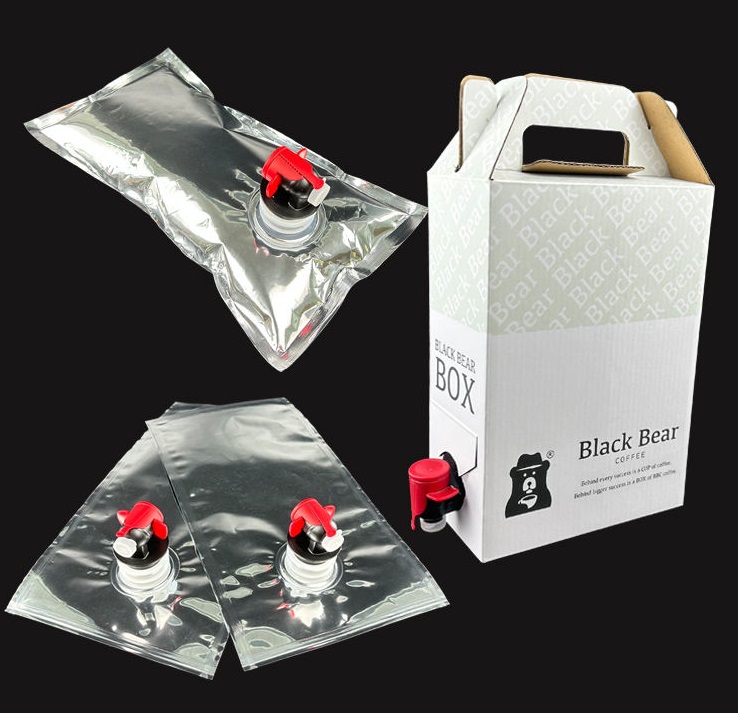
Bag-in-box (BIB) packaging isn't just about convenience—it's a quiet revolution in waste reduction. By using a flexible inner bag that collapses as liquid is dispensed, BIB systems dramatically cut product waste compared to rigid containers. Every last drop can be extracted, unlike bottles or cartons where remnants cling to sides. This means that for beverages, sauces, or even liquid foods, the amount of product lost during use drops to nearly zero. And because the outer box is typically made from recyclable corrugated cardboard, the entire package has a smaller environmental footprint from production to disposal.
One might assume that such efficiency comes at the cost of quality, but that's far from the truth. The multi-layer barrier technology in BIB liners is engineered to protect contents from oxygen and light, preserving freshness and flavor far longer than many traditional formats. A wine stored in BIB, for instance, can stay fresh for weeks after opening—no cork taint, no oxidation. This shelf-life extension directly combats household waste, as consumers are less likely to discard unused product that has gone stale. Restaurants and cafeterias see similar benefits: syrup or sauce in BIB format remains pristine until the very last serving, reducing both spoilage and the need for frequent restocking.
Beyond the packaging itself, BIB logistics offer hidden waste slashing. The empty bags and boxes take up a fraction of the space of empty bottles or drums, lowering transport emissions and storage demands. Because BIBs can ship flat before filling, a single truck can carry many more units than one hauling pre-formed rigid containers. And when post-consumer recycling enters the picture, the simple separation of the easy-to-collapse bag from the cardboard box encourages higher recycling rates. Taste never takes a back seat—instead, BIB systems quietly align premium flavor experience with a lighter touch on the planet.
Picking the Perfect Bag-in-Box for Your Drink Menu
Bag-in-box systems have quietly revolutionized how bars, cafes, and restaurants serve beverages. Instead of wrestling with heavy bottles or worrying about oxidation after opening, you get a compact, stackable solution that keeps drinks fresh for weeks. The real magic is in the inner bag, which collapses as liquid is dispensed, so air never touches your product. This means that delicate wines, craft cocktails, or even cold-brew coffee can hold their flavor profile from the first pour to the last. When you start exploring options, focus on the fill volume and connector type that match your dispensing setup—whether it's a simple tap or an integrated soda gun system. The right choice cuts down on waste, speeds up service, and lets you offer a broader range of drinks without cluttering your back bar.
Not all bag-in-box packaging is created equal, and the material of the bag itself deserves attention. If you're storing high-acid liquids like citrus juices or certain wines, look for multi-layer films with an oxygen barrier, such as EVOH, to prevent spoilage and flavor loss. Thicker bags resist flex-cracking during transport and handling, a common issue that can lead to leaks. Also, think about the environment where the box will live—hot kitchens or busy patios can accelerate degradation if the bag isn't rated for higher temperatures. It's worth asking suppliers about shelf-life testing and compatibility with your specific drinks, because even a slight mismatch can turn a promising menu item into a soggy disappointment.
Beyond the technical specs, the unboxing and setup experience can make or break your workflow. A well-designed box with a clear, easy-tear perforation for the dispensing tap saves precious minutes during a rush, and smart spout placements reduce drips and mess. Some newer designs include a transparent window or printed volume markings so you can check levels at a glance—no more shaking boxes or unexpected mid-shift shortages. Pairing the bag-in-box with a sleek, wall-mounted dispensing system can also elevate your presentation, turning a utilitarian solution into part of your bar's aesthetic. Ultimately, the perfect fit isn't just about the liquid inside; it's about how smoothly that liquid becomes a drink in your guest's hand.
The Untold Advantage of BIB: Extended Freshness
Bag-in-box packaging quietly outperforms traditional bottles and cans by dramatically slowing oxidation. Once opened, most beverages start to degrade within days, but the collapsible bladder inside a BIB prevents air from entering the liquid. Each pour draws from a sealed environment, so the product remains virtually untouched by oxygen until the very last glass. This simple mechanism turns a few days of freshness into weeks or even months, cutting waste and preserving the original taste.
Beyond the science, there’s a practical side that often goes unnoticed. Restaurants and bars can rotate stock less frequently because opened BIBs don’t spoil quickly. Home users discover that a box stored in the fridge delivers consistent flavor from first to last serving, even if it takes weeks to finish. No special closures, no vacuum pumps—just a design that naturally extends shelf life without extra effort.
The real surprise is how this freshness translates into savings and sustainability. Less product thrown away means lower costs for businesses and households alike. And because BIBs often use less packaging material per liter, the carbon footprint shrinks alongside the reduction in food waste. It’s a quiet revolution: a packaging choice that keeps contents fresher longer while being kinder to the planet.
Sustainable Serving: What Bag-in-Box Does Differently
Bag-in-box packaging quietly outperforms rigid containers in sustainability by rethinking the entire lifecycle of a serving. Instead of heavy glass or multilayer cartons, it combines a lightweight flexible bag with a durable outer box, slashing material use from the start. The bag collapses as product is dispensed, so there’s no need for pumps or pressurized gases that add complexity and waste. This inherent simplicity means less energy in transport and fewer raw resources consumed per serving—without sacrificing shelf life or product protection.
The real difference lies in how bag-in-box adapts to real-world usage. Because the bag seals airtight and dispenses without letting air back in, products stay fresher longer once opened. This drastically cuts down on the silent sustainability killer: food and beverage waste from premature spoilage. In settings like catering or busy households, that extended usability means fewer half-empty containers tossed out, translating directly into lower carbon footprints and less organic waste in landfills.
At end of life, the system continues to diverge from the norm. The corrugated outer box is widely recycled through established paper streams, while the inner bag uses minimal material that can often be recycled where film collection exists—and its compact volume reduces transport emissions even in disposal. By designing for source reduction, product protection, and material recovery as one connected idea, bag-in-box turns a simple serving into a more responsible choice that is easy to overlook, but hard to match in practice.
Must-Have Qualities in a Modern BIB Dispensing System
A well-designed BIB dispensing system begins with precision flow control. The tap or valve must deliver a smooth, consistent stream without sputtering or dripping, regardless of how full the bag is. This requires an internal mechanism that compensates for changing pressure as the liquid level drops, avoiding the need for manual adjustments or awkward tilting. Materials matter equally here—food-grade, non-reactive components prevent off-flavors and ensure long-term durability, even with acidic concentrates or syrups.
Hygiene and ease of maintenance form another cornerstone of modern dispensers. The ideal unit features a sealed, no-drip design that closes completely after each use, shielding the product from airborne contaminants and preventing sticky residue buildup. Many advanced models now incorporate quick-disconnect fittings that allow operators to swap bags in seconds without tools, while the entire dispensing path can be flushed clean without disassembly. This not only extends the shelf life of the liquid inside but also reduces the labor typically spent on cleaning.
Finally, the physical footprint and operational ergonomics can’t be overlooked. A truly modern system integrates seamlessly into tight counter spaces or busy bar setups, often with a slim profile and flexible placement options. The dispensing action should feel natural and require minimal force, accommodating high-volume use without fatigue. Look for features like 360-degree rotating nozzles or one-handed operation that reflect real-world workflow demands. When these functional elements come together thoughtfully, the dispensing system fades into the background, letting the quality of the drink itself take center stage.
FAQ
It's mainly the drastic reduction in material use and transport emissions. The bags are often lightweight flexible films that collapse as product is drawn out, so you're not shipping heavy glass or plastic bottles. Many liners are recyclable, and the outer boxes are typically corrugated cardboard that fits right into standard recycling streams. Because the product never touches air inside the bag, spoilage drops, meaning less product waste too.
Look for systems with multi-layer EVOH barrier films and vacuum-sealed taps. Brands like Vitop and Bag-in-Box Tech use oxygen-barrier technologies that prevent oxidation. Some include one-way valves in the tap, so air can't creep back into the bag. In practice, a well-engineered 3-liter box of red can stay fresh for up to six weeks after opening if stored properly.
Yes, certain heavy-duty liners made from metallized polyester can withstand temperatures up to 80°C for hot coffee or tea concentrate, and then switch seamlessly to chilled juices. The key is the combination of heat-resistant film, reinforced seals, and a tap that doesn’t warp under thermal stress. You’ll typically find these in commercial setups like catering or self-serve stations.
Now you’re seeing a lot of self-closing, push-button taps that only release liquid while pressed. Some are angled ergonomically so the last drop falls back into the spout, not on your counter. The ‘clean-break’ designs used by Liqui-Box and Rapak mean the connector detaches without dribbling even a teaspoon. That really adds up in high-volume spots.
Absolutely, if the liner is flavour-scavenging resistant. Standard polyethylene can sometimes suck up delicate aromatics, so you need a specialized polyamide or polyester inner layer. Craft cocktail syrup suppliers often use 5-liter BIBs with extra-thick oxygen barriers and dark UV-protective outer boxes to lock in botanicals, smoke notes, and citrus oils for months.
Speed and foolproof connections are everything. Quick-connect couplers that click audibly into place save volunteers from fumbling. A robust, wide opening on the bag lets you refill mid-event without downtime. Corrugated boxes with wax coating or waterproof bases survive dew and spills. Also, stick to 10- or 20-liter sizes; they chill faster and swap out quicker than enormous formats.
Definitely. Many industrial BIB systems are made with solvent-resistant films that won’t degrade with alkaline or acidic formulas. You’ll see them with screw-cap ports instead of taps, designed to plug into dosing pumps. For home use, some smaller 1- to 2-gallon boxes come with drip-proof push-pull closures, making refilling glass bottles neat and easy.
Conclusion
Bag-in-box technology is quietly reshaping how beverages reach the glass, combining practicality with a genuine focus on freshness. Unlike traditional kegs or bottles, these systems keep liquid sealed in a multi-layer bag that collapses as it empties, blocking oxygen and light to preserve taste far longer than you’d expect. That means draft cocktails, cold brew, and even wine maintain their intended flavor profile for weeks or months after opening, not days. And while the flavor stays intact, the environmental footprint shrinks dramatically—each flexible bag uses up to 80% less plastic than rigid packaging, and the cardboard outer is fully recyclable. Dispensers designed for BIB setups also cut down on energy use because they don’t require constant refrigeration for large volumes, letting operators serve at the perfect temperature with less electricity.
Choosing the right system comes down to more than just size. Look for taps and connectors built for high-volume use without leaking, and consider smart features like integrated flow meters or sensors that track remaining volume in real time. The best units are modular, letting you stack multiple bags for different beverages side by side while keeping lines separate and easy to clean. Beyond the hardware, the real magic is in the supply chain: since bags are lightweight and ship flat, transport emissions drop, and storage space shrinks dramatically. For any venue committed to serving consistently great drinks while minimizing waste, a well-chosen BIB system doesn’t just perform—it becomes a quiet workhorse that aligns taste, efficiency, and sustainability without compromise.
Contact Us
Contact Person: Cindy Lee
Email: [email protected]
Tel/WhatsApp: 8613622669331
Website: https://www.dgkody.com