

Top Explosion-Proof Reactor Heaters: Advanced Safety and Efficiency
2026-07-12
In high-risk industrial settings, achieving optimal thermal control without compromising safety has long been a critical challenge. Traditional heating solutions often force a trade-off between performance and protection. Enter explosion-proof reactor heaters — a game-changer that redefines process heating by merging uncompromising safety with remarkable energy efficiency. Leading this innovation is Shenzhou Chemical Industry, whose advanced designs are setting new benchmarks. This article explores what makes these heaters exceptional and how they’re transforming operations worldwide.
Built to Withstand: The Engineering Behind Explosion-Proof Heaters
At the core of every explosion-proof heater lies a flameproof enclosure, meticulously designed to contain any internal ignition and prevent it from spreading to the surrounding atmosphere. These enclosures are typically constructed from robust materials like cast aluminum or stainless steel, with precisely machined flame paths that cool and extinguish escaping gases before they can ignite a volatile environment. The engineering extends to every joint and seal, ensuring that even under high pressure and temperature fluctuations, the integrity of the housing remains uncompromised.
Beyond the mechanical fortress, the heating elements themselves are engineered for resilience. Instead of conventional open coils that could easily become a source of ignition, manufacturers employ sealed, corrosion-resistant elements that operate well below the auto-ignition temperature of hazardous substances. Thermal cutoff devices and liquid-cooled designs are often integrated to provide an extra layer of protection, actively dissipating heat and shutting down the unit in the event of anomalies. This dual approach—containing explosions while eliminating ignition risks—defines the heater's ability to thrive in petrochemical plants, grain silos, and other explosive atmospheres without compromise.
The final piece of the puzzle is the rigorous certification process. Each heater must pass brutal testing protocols, from dust-laden airflow trials to direct flame exposure, aligning with standards like ATEX or IECEx. Only after surviving these trials does a heater earn its classification, a mark of confidence that it can perform safely in the face of real-world industrial hazards. It's this relentless attention to detail, from the molecular properties of the alloys used to the shape of the pressure relief channels, that makes explosion-proof heaters not just functional, but fundamentally built to withstand.
Safety Without Sacrifice: Balancing Protection and Efficiency
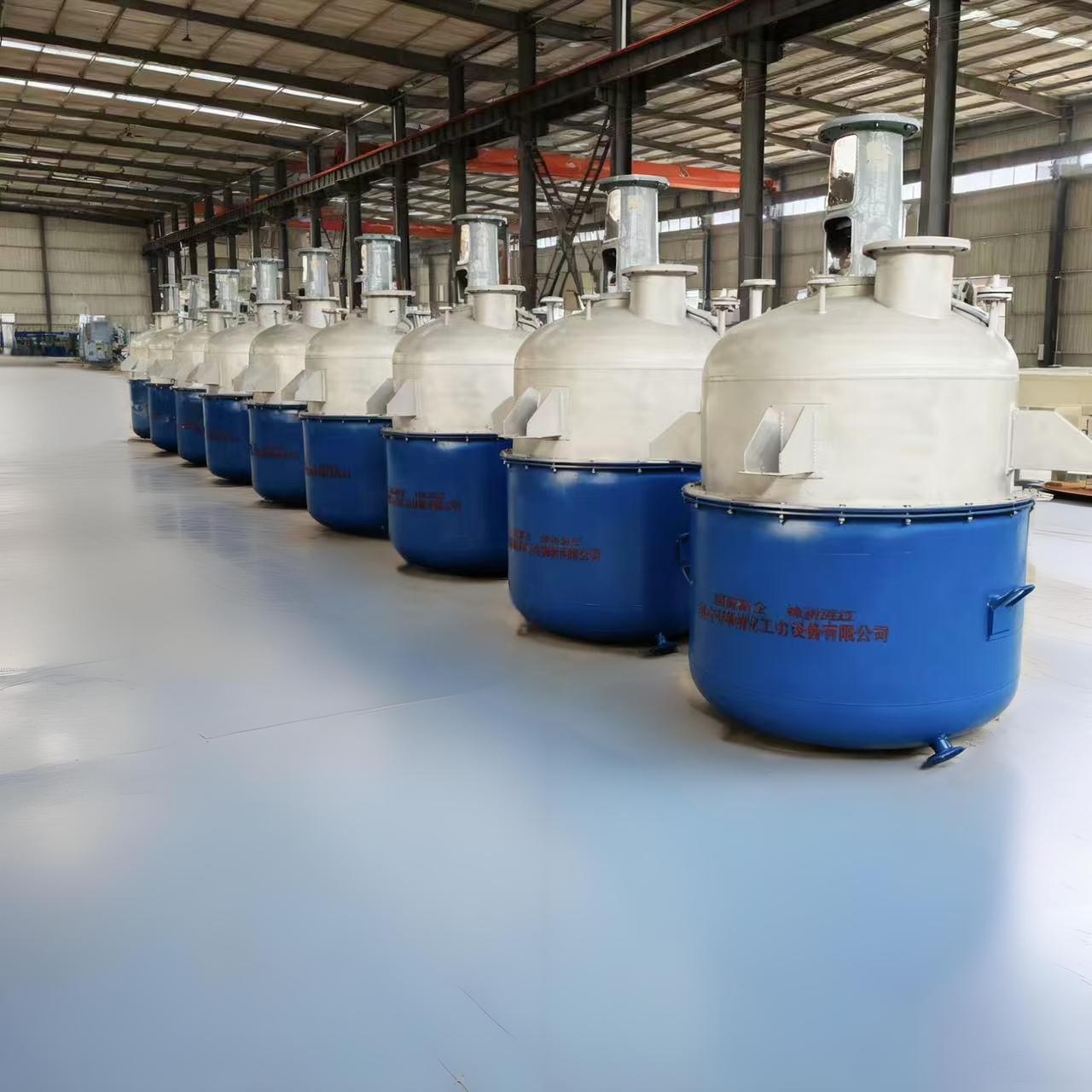
Modern security systems often conjure images of sluggish processes and endless verification steps, yet that trade-off no longer defines the landscape. By embedding intelligent risk assessment directly into workflows, organizations can distinguish between genuine threats and routine activities without imposing friction on legitimate users. Adaptive authentication, for instance, analyzes behavioral patterns and context—location, device, time—to dynamically adjust security measures. A user logging in from a known device during regular hours might sail through with minimal checks, while an anomalous attempt from an unfamiliar location triggers additional verification. This nuanced approach eliminates the blanket restrictions that stifle productivity, proving that robust safeguards and smooth operations are not opposing forces.
The key lies in shifting from a perimeter-focused model to one that embeds security within the fabric of daily tasks. Technologies like micro-segmentation and just-in-time access provisioning allow teams to work freely within protected environments, where data remains encrypted and segmented but instantly available when needed. Instead of erecting walls that slow down collaboration, these methods create transparent boundaries that adapt to usage patterns. For employees, the experience becomes indistinguishable from working in an unrestricted environment, while unseen algorithms continuously evaluate risk. This design philosophy treats security as an enabler rather than a gatekeeper, ensuring that protection mechanisms amplify rather than hinder business momentum.
A practical illustration emerges in cloud-native development, where containerized applications and serverless functions demand both rapid iteration and airtight defenses. Automated compliance checks integrated into CI/CD pipelines scan code for vulnerabilities in real time without adding manual review delays. Meanwhile, runtime protection tools use machine learning to detect and contain threats within milliseconds, often before they impact performance. The result is a system where safety mechanisms operate at machine speed, keeping pace with DevOps velocity. Such harmony between vigilance and agility isn't an abstract ideal—it's a design choice that forward-thinking teams are already implementing, redefining the outdated narrative that stronger security must come at the expense of speed.
The Materials That Make a Difference in Hazardous Environments
When working in extreme conditions, the choice of material isn't just about performance—it's about survival. Alloys reinforced with nickel or cobalt, for instance, maintain structural integrity at temperatures that would turn standard steel into a liability. These metals resist creep and oxidation, making them indispensable in jet engines and deep-sea valves. But it’s not only about withstanding heat; corrosion resistance is equally crucial. Duplex stainless steels, with their mixed microstructure, offer a rare combination of strength and immunity to chloride-induced pitting, a common failure point in marine and chemical processing settings.
Beyond metals, advanced polymers and composites are quietly redefining what's possible in protective gear and containment. High-performance polyethylene fibers, arranged in dense layers, can stop a bullet or deflect shrapnel while remaining surprisingly lightweight. Similarly, fluoropolymer coatings create barriers against aggressive chemicals, preventing acid burns and equipment deterioration. These materials don’t just endure—they actively reshape risk, allowing humans to operate in places once considered off-limits.
Ceramic composites are also stepping up where metals falter, particularly in abrasive or electrically charged environments. Their hardness resists wear even when handling slurries or molten glass, and their dielectric properties provide safe insulation in high-voltage applications. The development of these materials isn’t just a technical achievement; it represents a deliberate shift toward proactive protection, where the substance itself becomes the first line of defense.
Smart Heating: Precision Control in Critical Reactions
Modern chemical synthesis often hinges on reactions where thermal missteps can ruin entire batches. In pharmaceutical manufacturing, for instance, a few degrees of deviation during crystallization can alter polymorph outcomes, drastically affecting drug bioavailability. Smart heating systems sidestep these pitfalls by coupling multi-point thermocouples with adaptive algorithms that adjust heat flux in real time. Rather than following a rigid setpoint, these setups learn the thermal inertia of the reactor and preemptively modulate power to avoid overshoot—a capability that transforms exothermic runaway risks into controlled, reproducible processes.
Beyond simple temperature maintenance, precision control enables dynamic ramping tailored to reaction kinetics. Consider a Suzuki coupling where the catalyst activation needs a swift, uniform spike to 80°C, followed by a gentle hold to prevent side products. Traditional oil baths smear this profile with sluggish response, but a smart mantle with feedback from fiber-optic sensors can deliver the exact thermal trajectory. Engineers often embed logic that interprets DSC data or inline calorimetry, allowing the system to coast into temperature endpoints without oscillation. This not only boosts yield but also slashes energy use by curtailing wasteful over-heating—a tangible edge in scaling from bench to pilot plant.
The real differentiator, however, lies in integrating heating control with predictive analytics. By training models on historical run data, a smart reactor can forecast how a slightly different catalyst lot or solvent purity will shift the optimal heating curve, then tweak parameters automatically before the reaction starts. Such foresight is invaluable in continuous flow setups where residence times are short and thermal lag can ruin steady state. The result is a system that doesn’t just maintain a number on a display, but actively stewards the reaction environment, turning what was once a source of variability into a cornerstone of process robustness.
From Lab to Industry: Where These Heaters Shine
Lab benches and factory floors might seem worlds apart, but precision heating bridges that gap. In R&D settings, these heaters offer the kind of tight temperature control that turns delicate experiments into reliable data. Move to production, and the same technology scales—literally. Modules designed for a five-liter reactor in a pilot plant can be expanded to handle full-scale industrial vessels without sacrificing uniformity or repeatability. That scalability is what turns a useful lab tool into a workhorse on the manufacturing line.
It’s not just about making things bigger, though. The real win is adaptability. A heater array that keeps a chemical reaction humming at exactly 212 °F in a pharmaceutical lab also catches the eye of food processors, polymer manufacturers, and even wastewater treatment plants. The common thread? They all need heat delivered precisely where and when it’s needed, often in hazardous or hard-to-reach spots. Thick-film and flexible designs step in here, wrapping around pipes, molding to tank bottoms, or sitting flush against oddly-shaped vessels. No bulky housings, no wasteful gaps—just direct, efficient thermal transfer.
Field engineers often say the best technologies are the ones you forget are there. Once installed, these heaters hum along silently, resisting corrosion, shrugging off thermal cycling, and rarely demanding attention. That reliability stems from materials engineered for the long haul—think stainless steel sheaths, quartz elements, or high-temperature alloys. So whether it’s keeping a vaccine ingredient stable during synthesis or curing composite panels for aircraft, the heater disappears into the process. What’s left is a consistent, cost-effective outcome that makes scaling from grams to tons feel almost routine.
Beyond Compliance: Setting New Standards for Safety
True safety leadership means moving past the checkbox mentality. While meeting regulatory requirements provides a baseline, organizations that treat safety as a core value constantly push beyond what's mandated. They embed proactive risk identification into daily operations, empowering every team member to voice concerns before hazards escalate. It’s about asking not just “Are we compliant?” but “What else can we do to protect our people and foster resilience?”
Rethinking what excellence looks like often prompts teams to challenge long-held assumptions. Instead of viewing safety protocols as constraints, they become opportunities for innovation. By analyzing near misses and weak signals without blame, teams uncover improvements that no regulation could prescribe. These insights reshape procedures, tools, and training in ways that continuously raise the bar—creating an environment where safety evolves naturally alongside progress.
Setting higher standards also means building genuine trust with everyone who interacts with your operations. When organizations openly report on safety performance beyond obligatory metrics and invite external review, they create accountability that regulations alone cannot enforce. This transparency not only strengthens internal culture but also signals to partners, customers, and communities that safety is an unwavering commitment—not just a box to check.
FAQ
An explosion-proof reactor heater is a heating system designed to safely warm the contents of chemical reactors in environments where flammable gases, vapors, or dust are present. It typically uses electrical heating elements encased in a rugged housing that can withstand an internal explosion without allowing flames or hot gases to escape into the surrounding atmosphere. This containment is achieved through flameproof enclosures and tight seals. The heater transfers heat to the reactor vessel either indirectly via a thermal fluid jacket or directly through immersion elements, maintaining precise temperatures for chemical processes.
In facilities handling volatile substances, a single spark or excessive surface temperature can ignite an explosion. Advanced safety features in reactor heaters are designed to eliminate ignition sources. They incorporate temperature limiters, ground-fault protection, and redundant over-temperature cutoffs. Some use intrinsically safe circuitry that limits electrical energy. The enclosures are built to contain any blast and cool escaping gases below ignition point. Without these measures, the risk of catastrophic accidents is high, making advanced safety not just a regulatory requirement but a life-saving necessity.
Top-tier models achieve high efficiency through optimized heating element design, such as finned tubular elements that maximize surface area for better heat transfer. They often include advanced insulation to minimize heat loss to the surroundings. Precise digital controllers with PID algorithms ensure the reactor maintains a set temperature with minimal energy waste, avoiding overheating. Some units integrate variable power control, adjusting energy input based on demand. The materials used, like high-grade stainless steel, promote longevity and consistent performance, reducing downtime and maintenance energy costs.
You'll find them in petrochemical plants, oil refineries, pharmaceutical manufacturing, paint and coating production, and specialty chemical facilities. Anywhere flammable solvents, gases, or combustible dusts are processed. They're also used in pilot plants and research labs dealing with hazardous reactions. Essentially, they're critical wherever safety and precise heating intersect.
Standard heaters lack the robust construction needed to contain an internal explosion. Explosion-proof versions are built with flamepaths—tight joints that cool hot gases as they escape, preventing ignition outside. They undergo rigorous certification (like ATEX, IECEx) to verify they can withstand internal explosions. Materials are thicker, seals stronger, and all electrical connections are enclosed. Ordinary heaters might have exposed terminals or inadequate temperature controls, making them unsafe in hazardous zones.
Start by matching the heater's certification to your area's hazardous zone classification (e.g., Zone 1, Zone 2). Check the temperature rating (T-class) to ensure it stays below the auto-ignition temperature of your materials. Consider the heating capacity required and whether the heater can handle your process's pressure and temperature range. Look for features like digital control interfaces, remote monitoring, and ease of maintenance. Also, verify the manufacturer's reputation and the availability of support and spare parts. Don't overlook the importance of correct installation by qualified professionals.
They use sophisticated temperature sensors (RTDs or thermocouples) placed in direct contact with the process fluid or heating medium. These sensors feed data to a controller that modulates power to the heating elements precisely. Safety is maintained by secondary limit controllers that will cut power if the primary fails. The systems often have alarms and shut-off mechanisms for abnormal conditions. The physical design minimizes hot spots and ensures even heat distribution, which also helps avoid local overheating that could compromise safety.
Conclusion
Explosion-proof reactor heaters represent a leap forward in industrial safety and thermal efficiency. Their rugged construction, born from meticulous engineering, ensures reliable performance under extreme conditions without compromising on precise temperature control. Specialized materials, such as corrosion-resistant alloys and insulated casings, are chosen to withstand aggressive chemicals and prevent ignition risks. This harmonious blend of durability and protection means that critical reactions can be managed with confidence, achieving both high output and uncompromised safety. Smart heating systems integrate sensors and adaptive controls to maintain exact temperatures, reducing energy waste and preventing dangerous hotspots.
From pilot-scale laboratories to full-scale production facilities, these heaters excel where volatility is a constant challenge. Industries handling flammable solvents, reactive intermediates, or hazardous gases benefit from their fail-safe designs that surpass regulatory compliance. The latest innovations go beyond mere conformity, setting new benchmarks for risk reduction and operational effectiveness. By redefining what is possible in hazardous thermal management, they enable faster, cleaner, and safer chemical processes, ultimately driving progress in pharmaceuticals, petrochemicals, and specialty chemicals without the traditional trade-offs between safety and productivity.
Contact Us
Contact Person: Mr. Wang
Email: [email protected]
Tel/WhatsApp: 8613705299955
Website: https://vip.e-baixing.com/szhgyw