

Top Hastelloy Alloys Wholesalers: Your Guide to Durable and Corrosion-Resistant Materials
2026-04-04
Dive into the world of top Hastelloy alloys wholesalers with our essential guide, where durability meets corrosion resistance to power your industries forward. At the heart of this exploration lies Jiangsu Baowu New Materials, a key player transforming how professionals source these high-performance materials. This blog will unveil crucial insights and practical tips to help you navigate the market confidently, sparking curiosity about the innovations shaping your next project. Get ready to discover solutions that elevate performance and reliability.
Discover the Properties of Top Hastelloy Alloys for Industrial Applications
When it comes to selecting materials that can handle extreme environments in manufacturing, Hastelloy alloys stand out for their exceptional corrosion resistance and high-temperature performance. These nickel-based superalloys are engineered to thrive in harsh settings where ordinary metals might fail, from chemical processing plants to aerospace applications. The key properties that make Hastelloy so valuable include its ability to withstand oxidizing and reducing acids, its strength retention under thermal stress, and its versatility across various industrial sectors. By focusing on alloys like C-276 or C-22, companies can achieve longer equipment lifespans and reduced maintenance costs, all while ensuring operational safety and efficiency.
One of the standout features of top Hastelloy alloys is their customized composition, which varies to meet specific demands—Hastelloy C-276, for example, excels in handling chloride-induced stress corrosion cracking, while Hastelloy X is prized for its oxidation resistance at elevated temperatures. This adaptability means industries don't have to settle for a one-size-fits-all solution; instead, they can choose an alloy that precisely matches their operational challenges, whether that involves exposure to harsh chemicals or extreme heat cycles. Such tailored performance not only boosts durability but also allows for innovative designs in sectors like petrochemical refining and marine engineering, where failure is not an option.
Beyond just technical specs, the real-world impact of these alloys can be seen in their integration into critical systems, from reactor vessels to heat exchangers. For instance, Hastelloy alloys' resistance to pitting and crevice corrosion makes them ideal for handling aggressive media in pharmaceutical production, while their weldability ensures seamless fabrication in complex industrial setups. By leveraging these advanced properties, businesses gain a competitive edge through enhanced reliability and reduced downtime. In essence, Hastelloy alloys aren't just materials; they're strategic investments that drive industrial progress by pushing the boundaries of what's possible in hostile environments.
How to Select the Right Hastelloy Supplier for Your Project Needs
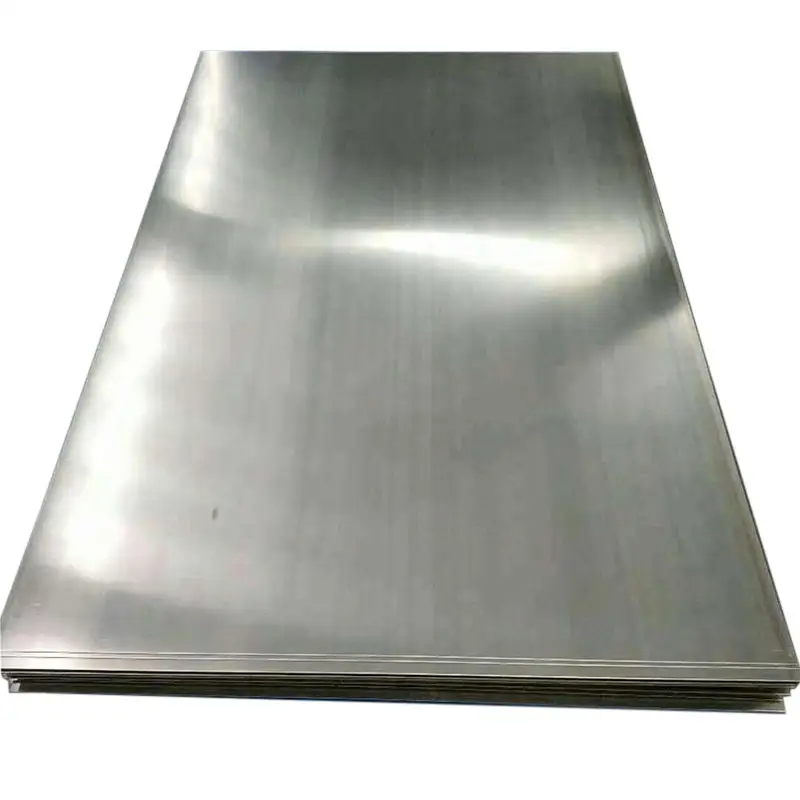
Finding the perfect Hastelloy supplier can feel like a daunting challenge, given the alloy's critical role in high-stress environments like chemical processing and aerospace. Start by zeroing in on suppliers who offer comprehensive certifications, such as ISO 9001 and AS9100, which signal a commitment to quality control and industry standards. Don't just take their word—request detailed material certifications to verify the composition and traceability of the Hastelloy grades you require for your project's specific conditions, whether it's corrosion resistance in acidic settings or high-temperature stability.
Beyond paperwork, delve into the supplier's technical expertise and custom fabrication capabilities. Look for providers with experienced metallurgists or engineers who can advise on alloy selection, such as Hastelloy C-276 versus C-22 based on your project's exact chemical exposure or temperature ranges. A supplier willing to collaborate on custom shapes or sizes, and who offers value-added services like precision machining or welding support, can be a game-changer in ensuring your components fit seamlessly into complex systems, minimizing delays and rework.
Finally, assess the supplier's reliability through real-world factors like lead times, inventory availability, and post-sales support. Check customer reviews or request case studies to gauge their track record in delivering on-time, high-quality Hastelloy products for projects similar to yours. A responsive supplier with a robust supply chain and proactive communication can mitigate risks, helping you meet tight deadlines and stay within budget without compromising on the performance integrity essential for your application.
Comparing Durability and Corrosion Resistance Across Hastelloy Grades
When evaluating Hastelloy alloys, it's crucial to focus on how different grades stack up in terms of durability and corrosion resistance. Hastelloy C-276, for instance, is often celebrated for its exceptional performance in harsh environments like chemical processing and marine applications, thanks to its high molybdenum and chromium content that combats pitting and crevice corrosion. However, newer grades like Hastelloy C-22 and C-2000 have been engineered to offer even broader resistance, particularly against oxidizing media and localized attack, making them standout choices where older alloys might falter over time. This evolution highlights the importance of matching specific alloy properties to real-world operational demands, rather than relying on generic claims.
Durability in Hastelloy grades isn't just about withstanding chemical exposure; it also involves mechanical strength and thermal stability under stress. For example, Hastelloy B-3 maintains its integrity in reducing acids at elevated temperatures, offering robust long-term service where other materials might degrade rapidly. In contrast, grades like Hastelloy X excel in high-temperature oxidation resistance, making them durable in aerospace and industrial heating applications. By comparing these nuances, users can identify which alloy provides the best balance of toughness and corrosion prevention for their specific conditions, avoiding costly failures and downtime.
Another key aspect is the trade-offs between various Hastelloy compositions. While Hastelloy C-276 is a go-to for many corrosive settings, its resistance to certain acids can be outmatched by specialized grades like Hastelloy G-30, which is tailored for phosphoric acid environments. This variability means that durability isn't a one-size-fits-all metric; selecting the right grade often requires analyzing factors like pH levels, temperature fluctuations, and presence of chlorides. By delving into these comparative details, engineers and specifiers can make more informed decisions, ensuring optimal performance and longevity in challenging applications where corrosion resistance is paramount.
Case Studies: Hastelloy Alloys in High-Temperature and Corrosive Environments
Take, for instance, a petrochemical plant in Southeast Asia grappling with severe chloride stress corrosion cracking in its reactor vessels. By switching from standard stainless steels to Hastelloy C-276, the facility not only eliminated crack formation at operating temperatures exceeding 200°C but also extended maintenance intervals from biannual to over five years. This alloy’s molybdenum and tungsten content created a passive oxide layer that resisted pitting even in acidic chloride brines, showcasing how material innovation directly translates to operational reliability and cost savings in harsh industrial settings.
In aerospace, a turbine component manufacturer faced persistent oxidation and thermal fatigue in exhaust systems exposed to temperatures above 1000°C. They turned to Hastelloy X, leveraging its nickel-chromium-iron-molybdenum composition to maintain strength and resist carburization in fuel-rich environments. Post-implementation testing revealed a 40% reduction in component degradation compared to earlier superalloys, highlighting the alloy’s ability to withstand both extreme heat and corrosive combustion byproducts—a critical advantage for enhancing engine longevity and safety in aviation applications.
Beyond heavy industry, pharmaceutical companies have adopted Hastelloy B-3 for reactors handling aggressive media like hydrochloric acid at elevated temperatures. One North American firm reported zero contamination or corrosion after switching, thanks to the alloy’s low carbon and silicon levels minimizing intergranular attack. This shift not only ensured product purity in drug synthesis but also reduced downtime for cleaning and repairs, demonstrating Hastelloy’s versatility in safeguarding both equipment and product integrity across diverse high-stakes sectors.
Cost-Effective Sourcing Strategies for Hastelloy Materials
Sourcing Hastelloy materials cost-effectively often starts with a deep dive into market research and supplier evaluation. Unlike generic metals, Hastelloy alloys—known for their exceptional corrosion resistance and high-temperature performance—require specialized suppliers who can provide certified materials with traceable origins. By identifying reputable distributors or direct manufacturers and comparing bulk pricing, volume discounts, or long-term contracts, businesses can lock in better rates upfront.
Another practical approach involves optimizing material usage through careful planning and design. Instead of over-specifying thicker gauges or higher grades than necessary, engineers can collaborate with suppliers to precisely match alloy specifications to application demands. For example, selecting Hastelloy C-276 for highly corrosive environments where alternatives might suffice can lead to unnecessary costs—so balancing performance requirements with budget constraints is key.
Additionally, exploring alternative sourcing models like consignment inventory or group purchasing can further reduce expenses. These strategies minimize storage costs and leverage collective buying power, ensuring a steady supply without tying up capital. Keeping an eye on market trends and timing purchases during periods of lower demand may also yield unexpected savings, especially for non-critical projects.
Innovations and Trends in Hastelloy Alloy Manufacturing and Supply
Hastelloy alloy manufacturing has recently seen significant strides in precision engineering and sustainable practices, with companies increasingly adopting advanced additive manufacturing techniques like selective laser melting to produce complex components with enhanced corrosion resistance and reduced material waste. This shift not only improves part performance in harsh environments but also aligns with global trends towards eco-friendly industrial processes, setting a new benchmark in the specialty metals sector.
On the supply side, digital transformation is reshaping how Hastelloy alloys are distributed and managed, with real-time inventory tracking and blockchain-based traceability systems ensuring faster delivery and greater transparency for clients in aerospace, chemical processing, and energy industries. These innovations help mitigate supply chain disruptions while offering customizable solutions that cater to evolving market demands, making Hastelloy a more accessible and reliable choice for critical applications.
Looking ahead, emerging trends such as AI-driven alloy design and collaborative partnerships between manufacturers and research institutions are poised to accelerate the development of next-generation Hastelloy variants with superior properties. By focusing on innovation and agile supply chains, the industry is not just keeping pace with technological advances but actively driving them forward, solidifying Hastelloy's role as a cornerstone material in modern engineering.
FAQ
Hastelloy alloys, particularly high-performance grades like C-276 or C-22, offer superior resistance to both oxidizing and reducing environments, making them ideal for harsh chemical processing or marine settings where standard stainless steels might fail.
Reputable wholesalers typically source from certified mills, provide mill test reports (MTRs) for traceability, and may offer third-party verification to guarantee compliance with ASTM or ASME standards, giving buyers confidence in material integrity.
Specialized wholesalers often have deeper technical expertise in alloy selection, offer tailored inventory like specific forms or sizes, and provide better support for applications in sectors like aerospace or pharmaceuticals where precision is critical.
Beyond base price, evaluate factors like lead times, minimum order quantities, value-added services (e.g., cutting or fabrication), and long-term reliability, as cheaper options might compromise on consistency or technical support.
Yes, many wholesalers work with mills to produce custom grades or forms, such as thin sheets for heat exchangers or large-diameter pipes for chemical plants, often involving close collaboration to meet exact specifications.
Watch out for vague certifications, lack of documentation, or suppliers pushing generic grades without assessing application specifics—always verify alloy composition and performance data to prevent costly failures in corrosive environments.
Newer alloys with enhanced properties, like improved weldability or higher temperature resistance, are often quickly integrated by leading wholesalers, who update inventories and provide guidance on optimizing these innovations for modern industries.
Through initiatives like recycling scrap materials, offering alloys that extend equipment lifespan (reducing waste), and ensuring products meet regulations for emissions-intensive industries, promoting eco-friendly practices alongside durability.
Conclusion
This guide to top Hastelloy alloys wholesalers highlights the critical role of these durable and corrosion-resistant materials in industrial applications. It delves into the unique properties of Hastelloy alloys, emphasizing their ability to withstand high-temperature and corrosive environments, as detailed in case studies. The article provides a comprehensive comparison of different Hastelloy grades, helping users assess durability and corrosion resistance to match specific project needs. By exploring innovations and trends in manufacturing, it underscores advancements that enhance performance and reliability. This resource serves as a practical tool for professionals seeking effective sourcing strategies for these specialized materials.
Additionally, the guide offers insights on selecting the right Hastelloy supplier, focusing on factors like quality, cost-effectiveness, and supply chain reliability. It presents practical strategies for sourcing materials efficiently, ensuring value without compromising on specifications. The discussion integrates real-world examples to illustrate successful applications in challenging conditions, reinforcing the alloys' versatility. By blending technical details with procurement advice, this overview empowers decision-makers to optimize their material choices and supplier relationships, fostering informed and strategic approaches to industrial projects involving Hastelloy alloys.
Contact Us
Contact Person: Zoe Liang
Email: [email protected]
Tel/WhatsApp: 86 189 2128 6299
Website: https://www.baowuchina.com