

Top High Quality Concrete Vibrator Recommendations for Smooth Construction
2026-07-24
Ever struggled with honeycombing or air pockets ruining a perfect concrete pour? The secret to flawless, durable structures often lies in one tool: a high-quality concrete vibrator. In this guide, we spotlight top-tier options that promise smooth, void-free results every time. Whether you're a seasoned contractor or a weekend warrior, getting the right equipment matters—and brands like Dynamic are reshaping reliability standards. Let’s dive into the recommendations that can transform your next project.
Why Your Concrete Project Deserves More Than Just Any Vibrator
Every concrete pour carries its own personality—the mix design, the formwork complexity, the rebar congestion. Using a one-size-fits-all vibrator is like trying to carve a sculpture with a sledgehammer. You’ll get consolidation, sure, but you’ll miss the finesse needed for defect-free results. Voids, honeycombing, and weak bonds don’t announce themselves until it’s too late. Your project deserves a tool that matches its specific demands, not just whatever happens to be hanging in the tool crib.
There’s an art to reading the concrete’s behavior as it settles. The right vibrator lets you feel the moment the mix flows around reinforcement, the moment air stops surfacing, the moment the aggregate locks in place. This isn’t about brute force—it’s about precision. Over-vibration brings its own troubles: segregation, bleeding, and a weakened surface. Under-vibration leaves hidden pockets that compromise strength. The difference between a structure that endures and one that silently fails often comes down to the operator’s ability to sense these thresholds, which requires a tool that responds predictably.
Beyond the pour itself, consider the long game. Concrete projects are judged over decades, not days. The vibrator you choose influences freeze-thaw resistance, chloride permeability, and overall durability. A cheap, poorly maintained unit introduces erratic frequency and amplitude, gambling with your structural integrity. A thoughtfully selected, well-balanced model becomes an extension of the crew’s expertise—reducing fatigue, improving coverage, and delivering consistency across hundreds of cycles. When the forms are stripped and the test results come back, you won’t be second-guessing whether you should have demanded more from the tool that shaped your vision into reality.
Key Features That Separate Mediocre Vibrators from Game-Changers
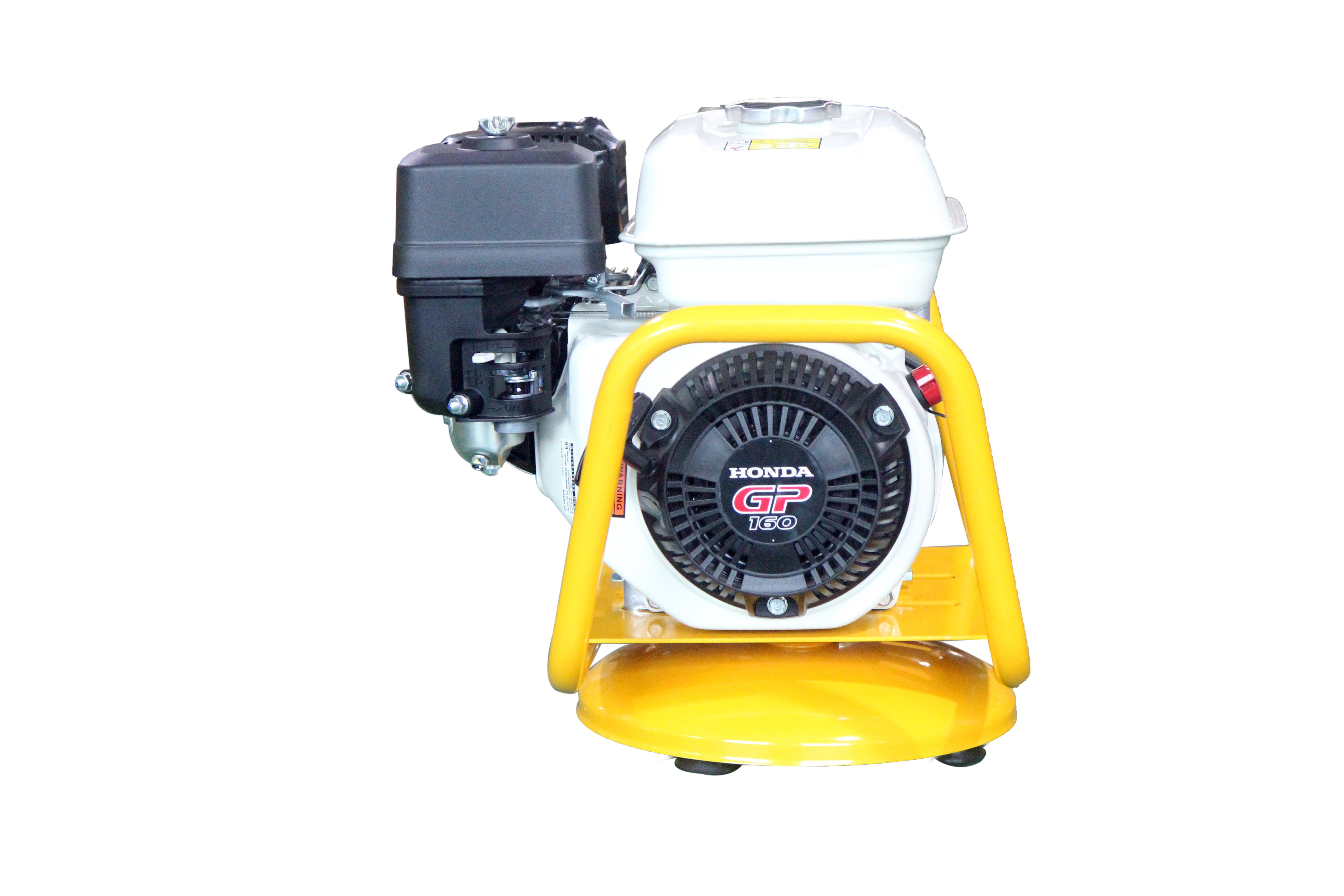
What truly sets a standout vibrator apart isn't just a longer list of speeds or a sleeker box—it's the almost invisible engineering underneath. Cheaper toys often rely on stiff, buzzy motors that rattle loudly and deliver a numbing, surface-level tingle. Premium alternatives invest in precision-weighted motors that create deep, rumbly vibrations, the kind that travel through tissue rather than just buzzing on the skin. That deeper resonance not only feels more natural but can also be sustained for longer without discomfort. Combined with a truly ergonomic shape that curves with the body’s contours, a well-designed vibrator becomes an extension of you rather than a gadget you're fighting to position.
Beyond the motor, materials and smart details quietly separate the exceptional from the mediocre. Medical-grade silicone has become a baseline, but the truly revolutionary options are hypoallergenic, non-porous, and so velvety they almost warm to the touch. Look for thoughtful touches like a gentle slope on the handle, a travel lock that actually works, or a magnetic charging port that's fully sealed for waterproof confidence. Even the controls play a role: the best ones offer intuitive, one-handed adjustments that let you cycle through patterns or ramp up intensity without ever breaking the moment. These aren't just features—they’re the difference between a forgettable purchase and a true pleasure staple.
Breaking Down Concrete Vibrator Types: Which One Suits Your Job?
Understanding the differences between concrete vibrators starts with recognizing the core types: internal, surface, and form vibrators. Internal vibrators, often called poker or needle vibrators, are the go-to for most jobs involving columns, beams, and thick slabs because they go deep into the mix. Surface vibrators, like screed vibrators, work best on shallow, flat areas where you need to consolidate and level in one pass. Form vibrators clamp onto the outside of formwork and are ideal for precast elements or tight spaces where internal access isn't possible.
Matching the vibrator to your specific pour is more about the concrete's consistency and the form's complexity than just the size of the job. A stiff, low-slump mix used in heavy civil projects demands a high-amplitude internal vibrator to shake the aggregate into place, while a high-slump mix for a residential wall might only need a lightweight wand. If you're working with exposed aggregate finishes or thin architectural panels, a form-attached external unit gives you consistency without disturbing the surface texture.
Power source and job-site conditions also play a huge role in your choice. Pneumatic vibrators shine in hazardous environments where electric sparks are a concern, and portable gasoline-powered units are a lifesaver on remote pours with zero electricity. But for most commercial work, electric internal vibrators with integrated frequency converters offer unbeatable ease of use. The key is to think beyond the catalog specs and consider how the tool will perform in your specific concrete mix and surroundings.
The Elite Lineup: Concrete Vibrators That Pros Swear By
When the stakes are high and every pour counts, seasoned concrete contractors reach for vibrators that deliver consistency without the drama. These aren't the entry-level tools you'll find collecting dust on home improvement store shelves—we're talking about the workhorses that fire up first pull, run smooth for hours, and shrug off the kind of jobsite abuse that would sideline lesser machines. The pros know that a reliable concrete vibrator isn't just about knocking out bubbles; it's about achieving that dense, rock-solid finish that engineers specify and inspectors sign off on. The real standouts in this category have earned their reputation by marrying raw power with thoughtful design touches like vibration-dampening handles and shaft lengths that keep you upright when you're finishing a 12-foot wall.
There's a reason certain brands dominate tool trailers and truck beds on commercial sites. Companies like Wacker Neuson, Minnich, and Oztec didn't stumble into their reputations—they engineered them through decades of direct feedback from the folks who live in rubber boots. Their high-cycle vibrators, for instance, hit frequencies that settle low-slump mixes without segregating the aggregate, and their backpack power units turn a two-person wrestling match into a one-person walk in the park. But it's not just about the big names; some lesser-known manufacturers have carved out loyal followings by focusing on niche needs, like compact cordless units for precast work or pneumatic models for explosive environments. The common thread among all these elite tools is reliability that borders on boring, and that's exactly how the best finishers like it.
What separates a vibrator that a crew tolerates from one they actively seek out often comes down to the details you won't find in a glossy spec sheet. The clamp that stays put rather than loosening mid-pour, the impeller design that doesn't churn air into the mix, the twist-lock connections that don't require three hands to secure—these are the invisible features that prevent those muttered curses and keep the pour schedule on track. Many veteran operators will tell you they'd swap a brand-new truck mount for their tried-and-true shaft vibrator, not because of blind loyalty, but because they've learned the hard way that a few extra minutes of vibration from a lesser tool can turn a beautifully placed slab into a honeycombed headache. In the elite lineup, every unit earns its spot by proving it can handle the worst concrete mix the plant can deliver, in the tightest form you can build, without flinching.
Pro Tips to Maximize Your Vibrator’s Performance on the Jobsite
It’s easy to toss a concrete vibrator into the truck and assume it’ll perform like new day after day, but job site realities demand a bit more attention. Start with the power source—whether you’re using a gas engine, electric motor, or pneumatic line, check voltage, air pressure, or fuel levels before the pour. A starved motor won’t deliver the consistent RPMs needed to move coarse aggregate properly, and that leads to weak spots you won’t see until the forms come off. Also, match the head size to the lift and rebar spacing; cramming a 2-inch head into a tightly reinforced wall slows you down and overworks the unit, while a too-small head in deep footings leaves cold joints hiding in the mud.
Beyond the power match, the real art is in insertion speed and rhythm. Don’t just stab the vibrator in and yank it out—sink it at a controlled pace, hold for a few seconds when you hit the bottom of the lift, and lift it slowly enough that the hole closes without trapping air. Over-vibrating near form faces can push paste out and leave ugly honeycombing, so watch for a glossy sheen and stop right there. Keep an ear on the sound, too; a laboring motor usually means you’re binding the shaft in tight spaces or pushing against rebar, which can burn out bearings faster than a hot summer afternoon.
Maintenance gets overlooked when you’re chasing a pour schedule, but a few minutes of cleanup pay off huge. Blow out water and slurry from the hose connections after every shift, and inspect the flexible shaft for kinks or worn spots that cause vibration loss. Store the head upright so compound doesn’t settle into the bearings, and if you’re running an electric unit, give the strain relief and plug prongs a quick look—construction power is notorious for loose connections that fry internals. A vibrator that starts on the first pull and runs smooth all day isn’t luck; it’s the result of small habits that compound over time.
Keeping Your Vibrator in Peak Condition for Years of Reliable Service
A well-maintained vibrator isn't just about hygiene—it's about preserving the powerful sensations and reliability you fell in love with from day one. By integrating simple care routines into your post-play ritual, you ensure every buzz remains as thrilling as the first. Think of it as an investment in your personal pleasure, where a few extra minutes of attention can dramatically extend your toy's lifespan and keep its motor humming smoothly.
Start with the basics: always clean your vibrator before and after each use with a toy-safe cleanser or mild soap and warm water, paying close attention to any ridges or seams where residue might hide. Avoid harsh chemicals or abrasive scrubbers that can degrade the silicone or finish. After cleaning, dry it thoroughly with a lint-free cloth—moisture is the enemy of electronics, and trapped dampness can lead to malfunction or mold. For non-waterproof models, be extra cautious and never submerge them, opting instead for a damp cloth to wipe down the surface.
Storage matters just as much as cleaning. Keep your vibrator in a cool, dry place, ideally in a satin pouch or its original box to prevent dust accumulation and contact with other toys that might cause material reactions. If it uses batteries, take them out between sessions to avoid corrosion. And remember, even the most robust toy isn't indestructible—use plenty of water-based lube to minimize friction on moving parts, and never force settings or buttons if something feels stuck. With these habits, your trusty companion will stay ready whenever the mood strikes, delivering consistent satisfaction year after year.
FAQ
A cheap vibrator often overheats, delivers inconsistent amplitude, and can burn out mid-pour, leaving voids or cold joints. A high-quality unit has a robust motor, precision bearings, and better heat dissipation, so it maintains proper frequency and amplitude throughout the pour, giving dense concrete without segregation or honeycombing.
Pick a head diameter at least 1/4 to 1/2 inch smaller than the tightest rebar gap. For heavily reinforced sections, a smaller head (1”–1.5”) lets you snake it in without snagging. Cover every section by at least 25% overlap on each insert, and if the head can't reach all corners, you may need to supplement with external form vibrators.
Modern lithium-ion units with brushless motors can handle most residential and light commercial foundations if you choose a high-torque model and keep spare batteries charged. For large continuous pours or high-slump mixes, corded electric or gas-powered vibrators still offer more consistent power and no downtime for battery swaps.
Clean the head and flexible shaft thoroughly after each use to prevent hardened concrete from unbalancing the shaft. Check rubber caps and seals for cracks, lubricate the shaft core per manufacturer specs, and store in a dry place. Periodically test the amplitude with a vibrator tester to catch worn bearings before they cause motor damage.
Internal immersion vibrators give the deepest consolidation by directly fluidizing the mix around the head, eliminating air pockets even in thicker panels. External form vibrators are ideal for thin-walled sections or where internal access is blocked. Surface vibrators work best for screeding and finishing, but rarely achieve full-depth consolidation on their own for precast.
Stop when large bubbles stop surfacing and a thin sheen of mortar appears evenly on the surface. Over-vibration pulls coarse aggregate to the bottom and lets paste rise excessively, creating a weak surface layer. You’ll see a frothy layer of slurry or noticeable aggregate sinking along form faces – at that point, you’ve already damaged the mix integrity.
Usually not. Low-slump concrete needs high-frequency, high-amplitude vibrators to overcome friction and move the stiff mix into place. Self-consolidating concrete requires almost no mechanical vibration; aggressive vibration can cause segregation and blowout in forms. Use a light-duty, low-amplitude vibrator briefly only to assist in tricky spots if absolutely necessary.
Look for double insulation, thermal overload protection, and a durable, non-conductive outer casing. Ergonomic anti-vibration handles reduce fatigue and the risk of white finger, while a dead-man switch shuts the unit off if dropped. For newer operators, a variable-speed trigger and quick-connect shaft couplings minimize mishandling and speed up on-site adjustments.
Conclusion
A smooth, dense concrete finish doesn’t happen by accident—it’s the direct result of using a high-quality vibrator that matches the demands of your pour. Cheap or underpowered units leave voids and honeycombing that compromise structural integrity, while a premium tool effortlessly consolidates the mix, driving out air and ensuring aggregate settles evenly. The best models stand out with robust motors that maintain a steady high-frequency vibration under load, flexible shafts that resist kinking, and sealed heads that prevent paste ingress. Whether you’re working on large slabs with a backpack power unit or tackling narrow wall forms with a pencil head, choosing the right type for the job eliminates cold joints and reduces finishing time. True professionals lean toward proven brands like Wacker Neuson, Atlas Copco, or Oztec, which deliver longevity and consistent performance even on punishing schedules.
Beyond the spec sheet, extracting every ounce of value from your equipment hinges on a few field-smart habits. Always insert the head vertically and move it slowly—withdrawing too quickly creates wormholes that weaken the concrete. Overlap your insertion points by about half the head’s diameter to avoid untreated zones, and never use the vibrator to move concrete horizontally, which can cause segregation. At the end of the day, proper maintenance is what separates a one-season tool from a decade-long workhorse. Clean the shaft and head thoroughly before the grout hardens, inspect seals regularly for leaks, and store the unit suspended vertically in a dry place. This ritual, combined with periodic servicing of the engine or motor, keeps your vibrator ready for action whenever the next pour demands nothing less than perfection.
Contact Us
Contact Person: Annie
Email: [email protected]
Tel/WhatsApp: 8613391442963
Website: https://www.dynamic-eq.com