

TUV Class 0 Oil-Free Air Compressor Working Principle Explained
2026-07-31
When it comes to achieving the highest standards of compressed air purity, few technologies are as trusted as TUV Class 0 oil-free compressors. But what exactly makes them tick? In this post, we’ll break down the working principle behind these advanced systems, revealing how they eliminate contamination risks entirely. At Seize Air, we believe understanding the mechanics is the first step to optimizing your operations—whether you're in food processing, pharmaceuticals, or electronics. Read on for a clear, no-nonsense explanation that strips away the complexity and shows why oil-free air is a game changer.
The Heart of the Machine: Non-Lubricated Compression Unpacked
At the core of many industrial compression systems lies a technology that defies conventional reliance on external lubrication. Non-lubricated compression operates on principles of precision engineering and advanced material science, where moving parts interact without a film of oil. This isn't simply about omitting lubricant—it demands meticulously designed surfaces, tight tolerances, and self-lubricating coatings that withstand friction and wear over millions of cycles. The result is a machine that delivers clean, uncontaminated output, making it indispensable in sectors where purity cannot be compromised, from food processing to pharmaceutical manufacturing.
What truly sets non-lubricated compression apart is its ability to maintain performance in environments where traditional oil-flooded systems would fail. By eliminating the risk of lubricant carryover, these machines ensure the integrity of the compressed media, whether it's breathable air, sensitive process gases, or high-stakes semiconductor fabrication. Yet the absence of oil doesn't mean a lack of complexity—engineers must balance thermal dynamics, seal integrity, and material compatibility to prevent overheating and mechanical degradation. Advances in polymer composites and ceramic coatings have pushed the boundaries, enabling compressors to run hotter, longer, and with minimal maintenance.
Beyond technical specifications, the shift toward non-lubricated compression reflects a broader industry movement: sustainability and operational efficiency. Without the need for oil changes, filtration, and disposal, facilities reduce both downtime and environmental footprint. The heart of such a machine isn't just a mechanical assembly—it's a statement of intent, proving that uncompromised performance and eco-conscious design can coexist. As industries evolve and demand for pure compression grows, these systems stand as a testament to how innovation can redefine what's possible at the very core of a process.
Air Intake Precision: Filtering Out Impurities from the Start
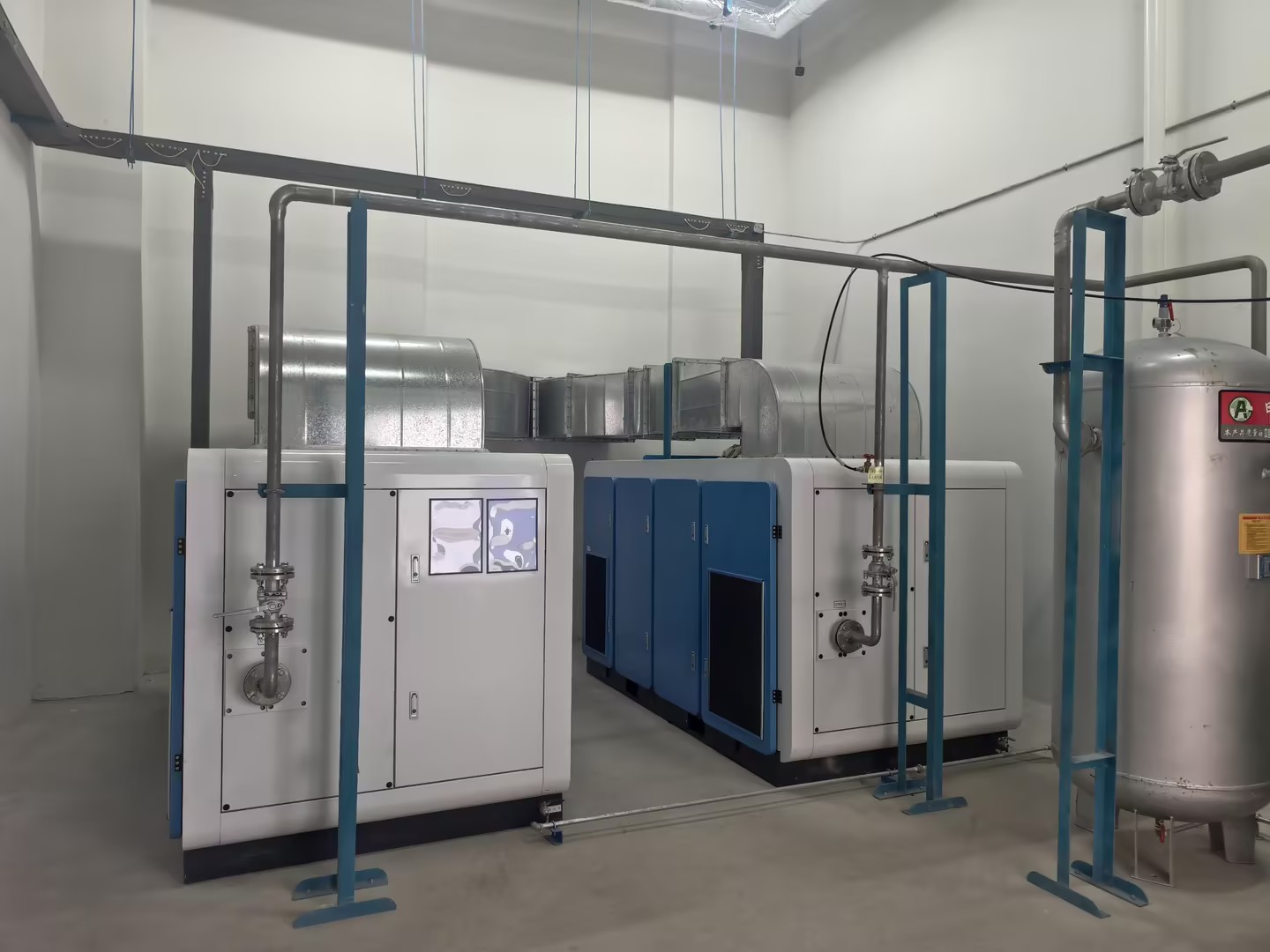
From the very first breath the engine takes, the quality of the air it receives sets the tone for everything that follows. Even microscopic particles—dust, pollen, road debris—can silently wear down internal components, gradually robbing performance and fuel economy. The intake system acts as a meticulous gatekeeper, using multi-layered filtration media and precisely engineered airflow paths to trap contaminants before they ever reach the combustion chamber. This isn't just about longevity; it's about maintaining crisp throttle response and consistent power delivery from the moment you turn the key.
But filtration is only half the story. The way air enters the system matters just as much as its purity. A design that prioritizes clean air but chokes the engine with turbulence creates its own set of problems. That's why modern intake systems carefully shape incoming airflow, using resonators, plenums, and velocity stacks to maintain a smooth, dense charge. It's a delicate balance: restrict too little and impurities sneak through, restrict too much and you suffocate horsepower. The sweet spot is a system that filters aggressively while minimizing pressure drop, allowing the engine to gulp clean air effortlessly.
In harsh or dusty environments, this precision becomes even more critical. Extended exposure to fine dust can overwhelm a subpar filter, leading to premature clogging or, worse, filter failure. Advanced solutions pair high-capacity media with features like pre-filters or cyclonic separation to extend service intervals without compromising protection. The result is an intake that doesn't just survive challenging conditions—it thrives, ensuring that every combustion cycle starts with the same clean, controlled airflow, mile after mile.
Two-Stage Versus Single-Stage: Key Design Choices for Purity
When purity is the ultimate goal, the structural decision between a two-stage and a single-stage process can make or break your outcome. A single-stage approach often seems appealing due to its simplicity—fewer steps, lower initial investment, and straightforward operation. However, that convenience frequently comes at a cost: contaminants that could be isolated in a dedicated separation phase end up lingering in the final product. The limited ability to fine-tune conditions in a single stage means you're often forced to compromise, accepting a trade-off between yield and cleanliness that many high-purity applications simply can't afford.
By splitting the operation into two distinct stages, you gain the freedom to optimize each step independently. The first stage can be tuned for maximum separation efficiency, even if it leaves behind a slightly cruder intermediate. The second stage then polishes that intermediate under conditions tailored specifically to remove remaining traces of impurities. This deliberate decoupling unlocks tighter control over variables like temperature, pressure, or solvent gradients—factors that are easy to overlook in a one-size-fits-all setup. The result is not just a product with fewer contaminants, but a process that can adapt to raw material variability without collapsing into inconsistency.
Of course, the choice isn't purely technical; it also reflects how a team values robustness over expediency. Single-stage designs can work brilliantly when the input is consistently clean and the target purity is modest, but scrambling to retrofit purification steps later often leads to more hassle than starting with a two-stage mindset. The hidden elegance of the two-stage philosophy lies in its capacity to absorb disruptions—feedstock fluctuations, equipment aging, or even operator variability—while still delivering a product that meets stringent specs. In that sense, the architecture itself becomes a buffer against uncertainty, turning purity from a fragile achievement into a reliable output.
Thermal Management: Keeping It Cool Without Oil
In the realm of modern machinery, the pursuit of oil-free thermal management has sparked a quiet revolution. Traditional systems rely heavily on oil for both lubrication and cooling, but removing oil from the equation doesn't mean sacrificing temperature control. Instead, advanced air-cooled designs and innovative heat sink geometries have stepped up to dissipate heat efficiently. By maximizing surface area and optimizing airflow paths, these systems channel thermal energy away from critical components without a drop of oil in sight. The result is a cleaner, more sustainable approach that sidesteps the mess and maintenance headaches of liquid coolants.
One standout strategy involves phase-change materials and heat pipes that silently shuttle heat from hot spots to cooler regions. These sealed units contain working fluids that evaporate and condense in a continuous cycle, transferring energy at impressive rates with no moving parts. For high-performance electronics or compact motors, this method ensures stable operation even under heavy loads, all while keeping the interior bone-dry. Engineers are also experimenting with coatings that enhance radiative cooling, literally beaming heat away into the surrounding environment without any fluid medium.
Beyond the hardware, smart control algorithms now play a pivotal role in oil-free thermal management. Adaptive fan speeds, predictive thermal modeling, and real-time temperature monitoring ensure that cooling efforts are never wasteful or reactive. This intelligent orchestration means a system can sprint when needed and conserve energy otherwise, extending component life and reducing noise. Far from being a compromise, going oil-free has become a hallmark of forward-thinking design, marrying sustainability with uncompromised performance in everything from industrial machinery to consumer electronics.
Sealing Technology: Zero Oil Carryover Under Pressure
Achieving absolutely no oil migration in compressed air systems has long been considered the holy grail of sealing engineering. It demands a multi-stage defense that begins with precision-engineered labyrinth seals, which use a series of non-contact teeth to throttle and deflect any escaping lubricant. When combined with a carefully controlled buffer gas, a pressure differential is maintained that physically blocks oil vapor from migrating toward the process side. This passive approach forms the first line of defense, working continuously without wear or maintenance.
For the most aggressive conditions, advanced segmentation rings and floating carbon face seals come into play. These components adapt dynamically to thermal expansion and pressure fluctuations, maintaining a micro-gap that is just wide enough to avoid contact but narrow enough to choke any remaining lubricant. A carefully designed drain-back network ensures that what little oil is intercepted gets returned to the sump rather than accumulating near critical dry zones. The real innovation lies in the materials—high-temperature thermoplastics and plasma-coated ceramics—that shrug off friction and chemical attack while preserving that near-zero clearance even after millions of cycles.
Beyond the mechanical barrier, an intelligent monitoring system senses early signs of seal degradation—micro-vibrations, subtle shifts in pressure balance, or temperature anomalies—long before any oil could escape. This allows for preemptive adjustments or service, making zero carryover not just a design target but a sustained operational reality. It’s a system-wide philosophy where every element, from the sump ventilation to the final discharge, is optimized to guarantee that even under extreme loads, the air remains as clean on the outside as the day the compressor was commissioned.
Validation in Action: How Class 0 Is Certified in Real-World Conditions
Achieving Class 0 certification for compressed air systems means proving zero oil content isn't just a lab benchmark—it's a guarantee that holds up under the stress of daily operation. Rather than relying on a single snapshot test, validation involves running the compressor through full production cycles, with continuous monitoring over weeks or months. Instruments like flame ionization detectors or gas chromatographs are plumbed into the air stream, logging every trace of hydrocarbon, and any reading above the detection limit instantly revokes the claim. This is far from a one-off check; it’s a relentless audit that mimics shift work, humidity swings, and intake air quality fluctuations, because only consistent performance across all those variables counts as true Class 0.
The real-world rigor extends to how aging and maintenance are factored into the equation. Certification bodies often require tear-down inspections after extended runs, swabbing internal surfaces for oil residues that condensation might have deposited. Any evidence of lubricants, even from a single bearing seal, is a dealbreaker. Field sampling protocols are equally strict: trained technicians capture air samples at the point of use, using clean, pre-evacuated cylinders, and the analysis must be performed at accredited labs that meet ISO 17025 standards. This process repeats after component replacements and in different seasons, building a body of evidence that proves Class 0 isn’t a static badge but a dynamic state proven through continuous compliance.
What sets this apart from catalogue specifications is the direct connection to equipment already running in dairies, operating theaters, or pharmaceutical lines, where any oil mist would be catastrophic. Validation reports from these sites typically include unedited data logs, making it possible to trace a sudden spike back to a specific event, such as a filter change or a spike in ambient temperature. That transparency builds a practical confidence no datasheet ever could, because it stems from the same gritty conditions that the end user faces every day. When a system wears the Class 0 designation after this gauntlet, it means the compressor has been proven clean not in theory, but in the unpredictable hustle of real production environments.
FAQ
It's the strictest purity rating for compressed air, defined by ISO 8573-1. When a compressor earns TUV Class 0, it means independent testing confirmed absolutely zero oil contamination in the air output—not even trace amounts. This is critical for sensitive industries like pharma or food processing where any oil would ruin products or pose health risks.
It relies on precision engineering. The rotors or pistons are coated with non-stick, low-friction materials like PTFE or special polymers. They're designed with tight clearances so they never actually touch, eliminating the need for oil as a lubricant. External timing gears keep everything synchronized, and cooling is handled by water jackets or intercoolers, not by the compressed air itself.
Great question—and yes, the compressor itself guarantees zero oil, but what happens downstream matters too. The TUV test only covers the compressor outlet. If your ambient air contains hydrocarbons, the compressed air can still pick them up. That's why a complete system often includes filtration or adsorption dryers to catch any external vapors before they reach the application.
Air enters and gets trapped between two interlocking screw elements—male and female rotors. As they spin in opposite directions, the volume shrinks, and pressure builds. Because there’s no oil to seal gaps, the clearances are microscopically small, and the rotors never contact. Cooling air or water flows through the housing to manage heat from compression. Most units use a two-stage process with intercooling: first stage raises pressure to about 2-3 bar, then after cooling, the second stage takes it to 7-10 bar. This avoids overheating and keeps efficiency high.
Two words: product safety and long-term quality. In food and beverage, even a tiny oil mist can taint flavor or force a recall. In electronics, oil residue can short-circuit boards. With a Class 0 compressor, you eliminate the risk entirely, plus you skip the expense of oil separation filters, condensate treatment, and constant oil monitoring. It's a cleaner, simpler setup once installed.
You can't just trust the nameplate. Regular air quality testing is needed. Portable oil aerosol monitors or periodic lab samples (using methods like gas chromatography) confirm there's zero oil mist or vapor. Some advanced compressors have built-in sensors that continuously track hydrocarbon levels. But for formal compliance, many plants schedule quarterly third-party audits to keep the TUV certification valid.
Without oil, the wear points shift. Air filters become even more critical—any dust can damage the delicate rotor coatings. You'll replace air intake filters more frequently. The non-stick coatings on rotors degrade over time, so eventually the airend needs recoating or replacement—typically after 10,000-20,000 hours. Drain valves need checking because condensation carries no oil, so it's just water, but standing moisture can cause corrosion. And the timing gears require periodic greasing, which is one of the few lubricant points on the machine.
Efficiency really depends on the design. Oil-free screws often have slightly higher energy consumption because of internal leakage through clearances, but modern two-stage systems with high-efficiency motors have narrowed the gap. As for noise, oil-free compressors are usually quieter because they lack the intense impact sounds of oil-lubricated pistons, but they still require enclosures to suppress mechanical whine. Many users find they're about 3-5 decibels lower than comparable lubricated units.
Conclusion
At the core of a TUV Class 0 oil-free air compressor lies a meticulously engineered non-lubricated compression system. Unlike traditional units that rely on oil for sealing and cooling, this design utilizes precision-machined rotors or pistons coated with advanced dry lubricants, ensuring zero oil ingress into the air stream from the start. The air intake process is equally refined, employing multi-stage filtration that captures sub-micron particulates and atmospheric moisture before compression even begins. This upfront purity is critical, as it prevents contaminants from ever entering the compression chamber, setting a clean baseline that downstream components can build upon without compromise.
Design architects must choose between single-stage and two-stage compression configurations, with two-stage arrangements often preferred for higher pressures while minimizing thermal stress. Temperature control is achieved not through oil, but via advanced air- or water-cooling systems that maintain optimal operating conditions, preventing heat-induced degradation and safeguarding component longevity. To guarantee absolute oil-free delivery, proprietary sealing technologies are deployed, such as labyrinth or magnetic seals, which create a physical barrier against any incidental oil migration. Finally, rigorous validation under real-world conditions—including continuous monitoring and periodic audits—confirms compliance with ISO 8573-1 Class 0 standards. This certification isn’t merely a label; it’s proof that every drop of compressed air remains as pristine as the moment it entered the machine, making such compressors indispensable in sensitive industries like food, pharmaceutical, and electronics manufacturing.
Contact Us
Contact Person: Mia
Email: [email protected]
Tel/WhatsApp: +86 19821985894
Website: https://www.seize-air.com