

Water Pump Manufacturing From Raw Materials to Finished Pumps
2026-09-25
A water pump may look simple once it’s bolted into place, but its path from raw material to finished unit is anything but. Cast iron, steel, and engineered plastics enter the factory as coarse stock—only to be melted, machined, and assembled under tolerances measured in microns. At DINGBO POWER, that path is built on repeatability and field-proven endurance, not shortcuts. What follows is a close look at each manufacturing step: how raw materials become pump components, and how those components become a pump you can trust when the job demands it.
Choosing the Right Metals Before They Enter the Furnace
Scrap yards and machine shops tend to treat every shiny piece of metal as furnace-ready, but that's how you end up with brittle pours and wasted heat. The first filter is visual and magnetic: copper, aluminum, and zinc have no business in a steel charge, and a quick magnet pass plus a spark test can separate most of them before they ever reach the weigh hopper. Size matters too—oversized beams and tangled turnings won't melt evenly, so they get sheared or baled to keep the furnace rhythm steady.
Chemistry is the second gate. Even within steel, residuals like chromium, nickel, and molybdenum change hardenability and weldability in ways that are hard to undo once the melt starts. Operators who skip handheld XRF or OES checks are gambling with a 30-ton heat; one mislabeled bin of stainless turnings can ruin a batch of plain carbon steel. A good yard walks the pile with a probe before charging, tagging anything that doesn't match the heat's target grade.
Moisture and coatings get overlooked until they explode or fume. Galvanized, painted, or oily scrap should be stripped or dried before it enters the furnace, because trapped water and zinc vapor don't just hurt yield—they create safety hazards and slag that clings to refractories. The best melt shops treat incoming metal less like a raw material and more like a recipe ingredient, with a known composition and a predictable reaction.
Casting the Housing That Holds Everything Together
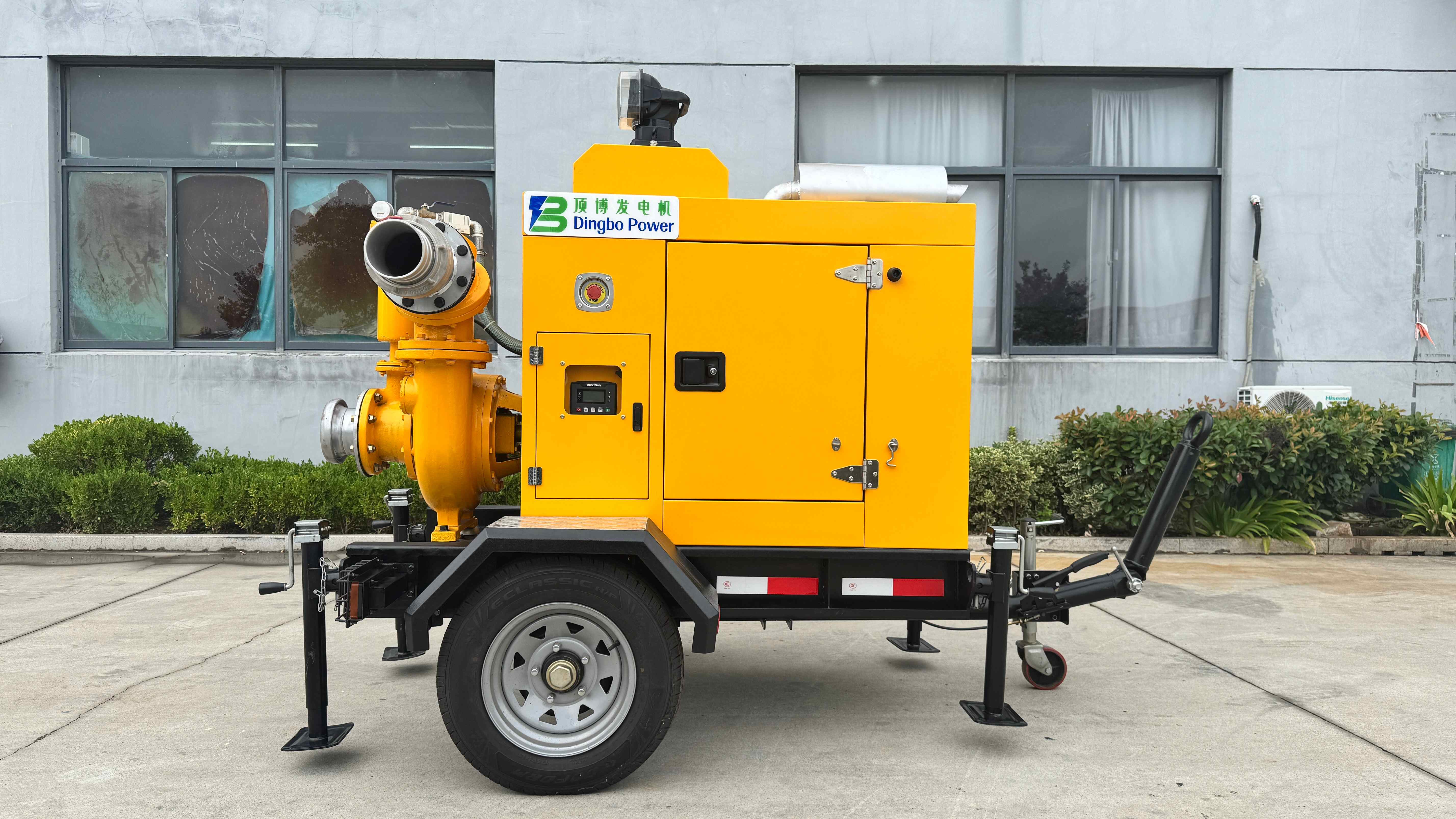
The pour itself is unremarkable at first glance—molten aluminum entering a packed sand mold—but that single casting replaces a dozen brackets, flanges, and fasteners. Once the metal solidifies and the mold is broken away, the housing emerges as one continuous shell with mounting bosses already in place.
Inside, the walls aren't uniform. Thin ribs run between bearing seats and bolt holes, thickening only where load paths concentrate. That asymmetry is deliberate: it keeps the whole assembly rigid without adding unnecessary mass. Every bore and face is cast slightly oversize so a light machining pass brings them into true alignment.
After shakeout and shot blasting, the housing goes through a quick round of drilling and tapping. Threaded inserts for the end caps, a breather port, and a drain plug are all added at this stage. The result is a part that doesn't just enclose the internals—it becomes the reference frame that holds shafts, bearings, and seals in their exact positions.
Machining Surfaces Where Water Actually Flows
When you trace the path of water through a pump housing or a turbine inlet, the machined surfaces aren't just passive walls. Even tiny steps or tool marks left by an end mill can trip the boundary layer, nudging laminar flow into turbulence. Shops that do this work often chase a surface roughness below 0.8 µm Ra on wetted areas, then blend edges by hand so there's no sharp transition to catch debris or start cavitation.
Because water will find the weakest finish, polishing isn't always about making it shiny. On cast iron volutes, machinists may leave a deliberate crosshatch pattern to hold a thin oxide layer that protects against corrosion. But on stainless impeller faces, they'll grind and lap until the reflection is almost mirror-like, not for looks, but to reduce micro-crevices where chloride ions could settle. The difference between a part that lasts five years and one that fails in two often comes down to how the final pass was made.
Tolerances also shift when water is the working fluid. A bore that's perfect on a CMM in dry air can close up slightly once the metal saturates and swells, especially with certain nylons and cast grades. That's why experienced machinists will rough a part, let it sit in a water bath overnight, then take the finishing cuts to size. It's a slower method, but it matches the real operating environment far better than machining to a theoretical number.
Creating Impellers That Move Water Without Wasting Energy
Most impellers are shaped by old habits rather than by the actual behavior of water. A blade that looks aggressive on paper often creates swirling vortices and sharp pressure drops, which quietly consume power without moving a single extra liter. By rethinking the blade curvature from the hub outward, we can guide water along smoother, continuously accelerating paths instead of forcing it through abrupt turns. This approach keeps the flow attached and laminar for longer, so the energy you put in translates almost entirely into forward motion.
Materials and surface finish play a larger role than many realize. Even a microscopically rough blade surface can trigger skin friction drag and early flow separation, wasting energy as heat and noise. Using precision-molded composites or polished metals with hydrophobic coatings reduces this friction layer and prevents cavitation bubbles from forming at the blade tips. Small design choices here—like a slight rake angle or a variable pitch that adapts to different flow rates—can cut energy loss by double digits without changing the motor size.
The real difference comes from iterative testing with clear feedback. Computational fluid dynamics simulations reveal exactly where the flow stalls or recirculates, allowing designers to shave away excess material and reshape the trailing edge. Then physical prototypes are run under real load conditions to confirm that the simulated gains hold up. By treating each watt of input as precious and every vortex as a design fault, modern impellers can move more water per unit of energy than their predecessors ever could.
Assembling Seals and Bearings for a Leak-Proof Fit
Getting a tight, leak-proof fit starts long before you pick up a seal. Check the shaft surface for nicks, scratches, or corrosion—any imperfection wider than a hair can create a path for fluid. Clean the bore and shaft with a lint-free cloth, then lightly coat the seal lip with the same lubricant the system will use. Never install a seal dry; the initial friction can roll the lip and ruin the seal before the machine ever runs.
When pressing bearings into place, apply force only to the race that's being fitted. Pushing on the wrong race can brinell the balls or races, causing noise and early failure. Use a proper driver or a piece of tubing that contacts the race evenly. If you're heating a bearing for a shrink fit, keep it below 120°C (250°F) unless the manufacturer says otherwise—higher heat can draw the temper and soften the steel.
After assembly, rotate the shaft by hand. You should feel smooth, even resistance from the seal, not a grab-release pattern. A seal that's cocked even slightly will wear unevenly and leak. If you spot a gap between the seal case and bore, don't try to force it deeper—remove and inspect for a trapped spring or a folded lip. A leak-proof fit comes from clean surfaces, square seating, and the right amount of lubricant at every step.
Testing Each Pump Under Load Before It Leaves the Factory
Every pump is hooked up to a closed-loop test bench that replicates the exact pressure and flow conditions it will face in the field. Instead of a quick spin with no resistance, the pump is gradually brought up to its rated duty point while water or a suitable test fluid circulates through the system. Technicians monitor vibration levels, bearing temperatures, discharge pressure, and flow rate in real time, adjusting the load step by step until the unit runs steadily at 100% of its design capacity.
Running a pump dry or with minimal load gives a false sense of security. It is only when the impeller works against full system resistance that hidden weaknesses show up—things like insufficient bearing preload, seal faces that leak under pressure, or impeller clearances that cause recirculation and cavitation. By testing under load, these issues are caught on the factory floor rather than at a customer’s installation site, where a failed pump can halt an entire process line.
The result is a pump that arrives on site ready to perform. Customers do not need to spend extra hours re-tuning or breaking in the unit because the critical parameters were already verified against the actual operating curve. Each pump leaves with a test report showing measured data at multiple load points, giving maintenance teams a reliable baseline for future condition monitoring. That level of verification is not a marketing claim—it is simply part of the build process.
FAQ
Cast iron and aluminum dominate housing production. Cast iron suits high-pressure industrial units because it dampens vibration and resists corrosion, while aluminum cuts weight for automotive pumps. Some manufacturers also use ductile iron for extra toughness in abrasive environments.
The casting method shapes internal passages that direct water flow. Sand casting remains common for large housings, but lost foam and die casting deliver tighter tolerances and smoother surfaces. A poor casting with hidden porosity can crack under thermal cycling, so foundries often X-ray critical sections.
Impellers face constant erosion and cavitation. Bronze resists seawater corrosion and is easy to machine into complex curves, while stainless steel handles high temperatures and chemical exposure. Plain steel would rust quickly and pit, throwing the pump out of balance.
CNC milling and boring create the flat mating faces and bearing seats. Multi-axis machines drill bolt holes and thread them in one setup to maintain alignment. Skimming the volute face ensures the impeller sits at the correct clearance, which directly affects efficiency.
Mechanical seals are pressed onto the shaft with a precise preload, then the bearing housing is heated slightly so bearings slide on without force. Some lines use cartridge seals that drop in as a unit, reducing assembly errors. Final shaft runout is checked with a dial indicator.
Every pump undergoes a hydrostatic test, where water is pressurized above normal operating levels to spot leaks. Shops also run the pump briefly while measuring vibration and noise. For critical models, performance curves are plotted against the design spec, and any deviation triggers a teardown.
Robotic cells now handle pouring and part transfer, which keeps workers away from molten metal and improves repeatability. Automated vision systems inspect machined surfaces and sort out casting flaws in seconds. However, final assembly still relies on skilled technicians because seal alignment remains a tactile skill.
Look for consistent wall thickness, clean machined surfaces without chatter marks, and a nameplate with traceable serial numbers. Quality pumps usually have replaceable wear rings and a documented test report. Avoid units with rough internal passages or mismatched fasteners, as these often signal lax manufacturing.
Conclusion
The journey from raw metal to a finished water pump starts long before any furnace is lit. A foundry's first concern is picking alloys that can handle constant contact with water, temperature swings, and the mechanical stress of spinning parts. Once the right metal is chosen, it's melted and poured into molds to form the housing—a single rigid shell that will keep every internal component aligned. Those rough castings then move to machining centers where the surfaces that actually touch water are cut to precise tolerances; any uneven spot here would create turbulence and eat away at efficiency. Impellers get similar attention, with their curved vanes shaped and balanced so they push water through the system without wasting energy on vibration or backflow.
The final stage is just as hands-on. Seals and bearings are pressed into place not simply to fill gaps, but to create a leak-proof fit that can survive thousands of hours of operation. Each pump is then tested under real load conditions—pumping water against pressure while sensors check for leaks, noise, and temperature rise. Only after passing those checks does a pump earn its way out the factory door. What emerges is a device that looks simple from the outside, but whose reliability comes from careful decisions made at every step, from alloy selection to final run-in.
Contact Us
Contact Person: Rita
Email: [email protected]
Tel/WhatsApp: +8613481024441
Website: https://www.dbdieselgenerator.com/