

Wholesale Self Storage Units: Unlocking Hidden Profit in a Recession-Proof Industry
2026-07-30
Have you ever wondered why self storage keeps booming, even when the economy takes a downturn? Wholesale self storage units might just be the overlooked goldmine you've been searching for. At NORTON, we see this recession-proof sector as a direct path to steady cash flow—without the usual headaches of traditional real estate.
Why Economists Love Self Storage
Self storage sits at a curious intersection of real estate, consumer behavior, and economic resilience—and economists can’t get enough of it. The asset class offers a rare blend of low operational overhead and steady demand that isn’t tied to housing cycles. People rent units during upswings to store excess goods and during downturns to downsize without purging belongings. This countercyclical buffer makes the sector unusually stable, with occupancy rates that hold even when GDP wobbles. For economists, it’s a petri dish of rational choice: customers pay a recurring fee to keep items they rarely use, yet the perceived value of those items outweighs the monthly cost. That calculus persists across economic climates, creating a predictable revenue stream that looks almost mathematically elegant.
Beyond the behavioral quirks, the economics of self storage are compelling because of how little capital they require in operation. Once a facility is built, the marginal cost of renting an empty 10x10 unit is negligible—no heating, no electricity, no plumbing demands. A single manager can oversee hundreds of doors, pushing margins higher than traditional real estate plays. And because leases are month-to-month, pricing can flex with local demand in near real time. Economists admire this pricing agility; it’s not unusual to see rates adjust based on algorithmically monitored street-level vacancy, something a 10-year office lease could never pull off. The lack of tenant improvements or long-term commitments slashes risk to the bone.
What really hooks economists, though, is the data. Self storage operators gather granular metrics on occupancy, seasonal trends, and customer lifecycles, painting a vivid picture of microeconomic decision-making. Researchers love tracing how life events—divorce, relocation, death—drive unit uptake, essentially mapping life’s disruptions into square footage. The sector also thrives on fragmentation: most facilities are independently owned, so market pricing never quite settles into collusion. This lets economists study near-perfect competition in action, with customers constantly weighing the cost of storage against the cost of replacement. It’s a living laboratory where sunk cost fallacy meets supply-and-demand curves daily.
The Math Behind Bulk Unit Discounts
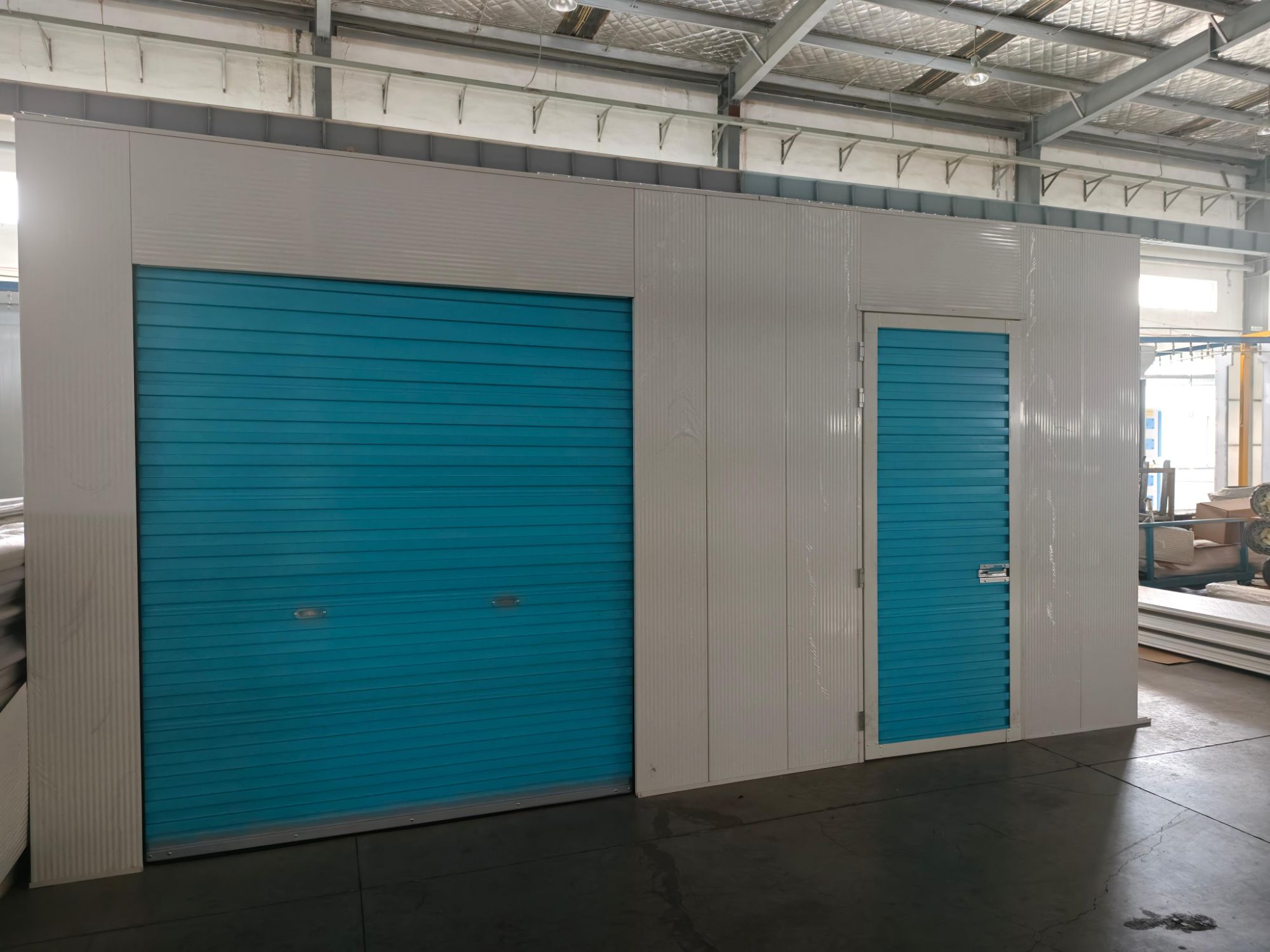
At the heart of bulk unit discounts lies a simple breakdown of fixed and variable costs. When a manufacturer produces a larger batch, the setup, tooling, and logistics expenses don't climb at the same rate as the number of units. Instead, these costs stay roughly constant, meaning each additional item shoulders a smaller slice of the fixed overhead. You can see this in the per-unit cost formula: (Fixed Cost ÷ Quantity) + Variable Cost. Double the quantity, and the fixed cost portion gets cut in half.
Suppliers often structure discount tiers to make the savings feel tangible. Think of it as a staircase: buying 100 units might drop your price from $5 to $4.50 each, but jumping to 500 could bring it down to $4. This isn't random; it's math designed to balance revenue against production efficiency. The key insight? The biggest percentage drop usually happens between the first two tiers, where the fixed-cost dilution effect is strongest. After that, the incremental savings shrink because variable costs—materials, direct labor—start to dominate the total.
What often gets overlooked is the inventory carrying cost on the buyer's side. A 20% price cut sounds great until you calculate the warehousing, insurance, and opportunity costs of holding that extra stock for six months. The real math compares the discount against these hidden drains. Sometimes a moderate bulk purchase with a quick turnover cycle beats the steepest discount on a pallet-load that gathers dust.
Hidden Costs That Eat Your Profits (and How to Avoid Them)
Most business owners fixate on obvious expenses—materials, payroll, rent—while a swarm of quieter costs gnaws at the bottom line. These aren’t the line items that scream for attention during a budget review. Instead, they accumulate in the background: a subscription nobody uses but nobody cancels, the extra hours spent untangling a cheap software tool, or the slow bleed of manual processes that could be automated in an afternoon. Over time, these small drains coalesce into a meaningful percentage of revenue that could have been reinvested or banked as profit.
One common culprit is process drag—the hidden expense of doing things the way they’ve always been done. Whenever a team member hunts through cluttered spreadsheets or waits on a manual approval that could be a simple automated rule, you’re paying for the delay. Another silent profit-eater is vendor creep: that gym membership mentality applied to SaaS tools. Services that were critical two years ago now sit idle, renewing on autopilot. The fix isn’t glamorous but it works: schedule a quarterly audit of every recurring expense, and for one week, track how employees actually spend their time versus what their job descriptions say.
Avoiding these drains doesn’t require a massive technology overhaul or a consulting firm’s invoice. Start with a “needs versus nice-to-haves” conversation inside your team. Kill anything that doesn’t directly support current goals. Then, look at your most repetitive tasks—data entry, report generation, follow-up emails—and map out a simple way to reduce them. Often, a few hours with existing tools can cut weekly busywork in half. The hardest part is accepting that what feels like normal operational friction might actually be a leak in your profit bucket, and small, steady patches can restore pressure faster than any grand strategy.
Location Hacks for Steady Demand
Finding a spot where customers naturally flock without aggressive marketing often comes down to studying foot traffic patterns that others overlook. Instead of chasing the busiest street corner, look at areas near complementary businesses—like a gym next to a health food store or a bookstore near a café. These symbiotic locations create a steady stream of potential customers who are already in the right mindset to need your offering.
Another underused approach is targeting neighborhoods that are experiencing subtle demographic shifts, such as an influx of remote workers or young families. These areas often have underserved demand because commercial real estate hasn't caught up yet. Watch for signs like new playgrounds, co-working spaces opening, or an uptick in daytime home deliveries. Securing a lease before the area peaks can lock in affordable rent while demand grows around you.
Don't underestimate the power of being the only option in a residential pocket. A quality coffee cart tucked inside a large apartment complex or a small convenience setup near a park with no nearby stores can develop fiercely loyal patrons. The key is solving a recurring daily need in a place where alternatives are inconvenient, turning location into a silent but powerful retention tool.
Pricing Psychology to Fill Units Fast
Pricing isn't just about numbers—it's about perception. When you position your rates just below a round threshold, say $1,450 instead of $1,500, the human brain registers a better deal without any real sacrifice in value. This subtle shift creates urgency and makes the unit feel more accessible, nudging potential renters toward a faster decision.
Another effective tactic is to anchor expectations by showing a slightly higher price that’s been crossed out beside the current offer. This visual contrast triggers loss aversion—people fear missing out on a good deal more than they desire the space itself. Pair that with a limited-time note, and you tap into scarcity psychology, which can dramatically shorten vacancy windows.
Don't underestimate the power of bundling extras into the rent. Including utilities, parking, or a small upgrade—like premium fixtures—creates a sense of added value without discounting the core price. It shifts the conversation from cost to benefits, making the unit feel like a smarter choice that’s ready to move into immediately.
Growing Your Empire Without the Growing Pains
Every ambitious venture dreams of scaling fast, but reckless growth can shatter even the most promising empires. The secret lies in building a foundation that bends without breaking—a culture where every new hire reinforces your core values, not dilutes them. It’s about designing systems that let you replicate success without micromanaging every pixel or policy. When you treat scalability as a design challenge rather than an afterthought, you can expand your reach while keeping the chaos at bay.
Growing pain often stems from a mismatch between your aspirations and your operational backbone. Instead of bolting on solutions as problems arise, smart leaders invest early in flexible technology and modular processes. They also recognize that their team’s bandwidth is the ultimate bottleneck, so they automate the routine and reserve human creativity for the exceptional. By keeping decision-making close to the frontline and resisting bureaucratic creep, you stay nimble enough to pivot without capsizing.
Perhaps the most overlooked growth hack is protecting your original spark. The energy that made you irresistible to your first customers shouldn’t get buried under layers of ‘professionalism.’ Document the rituals, stories, and unspoken rules that define your empire’s soul, then pass them on like a torch—not through dry manuals, but through mentorship and lived experience. When your expanding ranks feel connected to a shared purpose, scaling feels less like a grind and more like a movement gaining momentum.
FAQ
Wholesale self storage units refer to properties or large blocks of space acquired at below-market rates, often through direct deals, auctions, or distressed sales, then remarketed to investors or operators. Unlike retail facilities that target end-users, wholesale units are typically sold in bulk to businesses looking to expand their portfolio or convert the asset, offering a path to rapid scale and higher margins without the overhead of customer-facing operations.
The industry has a counter-cyclical nature: during economic downturns, people downsize homes or relocate, needing temporary storage, while in good times, consumer spending fuels demand. Hidden profits come from low operational costs, high occupancy rates, and ancillary services like insurance or truck rentals. Plus, wholesale acquisitions reduce initial capital outlay, boosting returns even when rental rates soften.
Look for older facilities with low digital presence but strong physical occupancy, off-market deals through direct mail campaigns, or auctions where properties are priced below replacement cost. Networking with local contractors and real estate agents who spot landowners nearing retirement also helps. The key is finding assets where simple improvements in management, technology, and curb appeal can rapidly increase net operating income.
Focus on actual net operating income rather than projected, physical occupancy versus economic occupancy, cap rate compression potential, and the cost to convert or upgrade the property. Cash-on-cash return matters, but also assess loan-to-value ratios and the ability to force equity through operational fixes. Savvy buyers often seek a 20%+ internal rate of return by renegotiating vendor contracts and optimizing unit mix.
Common pitfalls include environmental contamination from previous uses, zoning restrictions, oversupply in the market, and deferred maintenance that isn't visible during a walkthrough. Mitigate by conducting Phase I environmental reports, studying city planning agendas, and stress-testing cash flow with a 10-15% vacancy. It's also wise to check lien laws and auction regulations that could affect revenue streams from delinquent tenants.
Implementing kiosk-based rental systems, unmanned operations, and dynamic pricing algorithms can slash labor costs and maximize revenue per square foot. Smart security and climate control sensors reduce energy expenses and insurance premiums. Online aggregators and search engine marketing can fill units faster, but the real edge is using data analytics to forecast demand and adjust rates in real time, which transforms a sleepy facility into a high-margin asset.
Common exits include selling stabilized assets to REITs or institutional buyers at a premium, refinancing to pull out tax-free equity, or holding and cash-flowing indefinitely. Some operators build a portfolio then franchise it under a branded name to attract a higher multiple. Others convert underperforming retail or industrial spaces into storage and sell the going concern. The most lucrative exits often come after increasing the NOI through professional management and then marketing the property as a turn-key investment.
Conclusion
Self storage thrives even when other sectors stumble—economists love its countercyclical nature because need rises during downsizing, death, or divorce. The real edge comes from buying units wholesale, which slashes per-square-foot costs and builds a moat early on. You can often negotiate 15–25% below market if you commit to bulk inventory, but the math only works if you factor in actual occupancy timelines and churn. Many miss the hidden leaks: property tax escalators, deferred maintenance that turns into five-figure emergencies, and outdated security systems that scare off tenants. Avoid those by auditing every expense line twice a year and setting a hard cap on capital outlays. Location-wise, the steadiest demand isn’t always in big metros. Secondary markets near life-change triggers—military bases, colleges, or rapidly rezoned neighbourhoods—often have waiting lists while prime streets sit half-empty.
Once you have the units, how you price them determines how fast they fill. Round numbers like $100 feel bloated, while $97 and an “intro rate” create urgency and perceived value. Double-sided promotions, where move-in discounts are offset by a slightly higher long-term rate, keep aggregate revenue up. Growing the portfolio without the usual headaches is possible if you rethink expansion. Instead of ground-up builds, some operators partner with struggling facilities on a revenue-share basis—you bring marketing and ops know-how, they bring the asset, and both ride the upswing. That turns scattered units into a real empire without the heavy debt load, letting you plough hidden profit back into the next deal.
Contact Us
Contact Person: Cyril He
Email: [email protected]
Tel/WhatsApp: 8613969697307
Website: https://cqyqgd.en.alibaba.com/